The Personal Injury Claims Process, From First Steps to Resolution
The personal injury claims process moves from injury assessment and evidence collection through insurance negotiations, lawsuit discovery and resolution. Atlanta Auto Law evaluates the claim, manages communications, builds the evidence and explains each decision with the client.
Written by Ronnie Mabra
Request an Estimate
Written by Ronnie Mabra.
What Is the Personal Injury Claims Process?
A personal injury claim is a legal and insurance pathway that seeks compensation for harm caused by another party's conduct. We assess the facts, identify the injured person and at-fault party, and explain the available legal remedy before action is taken.
Our personal injury attorney team also reviews the insurance company involved, the available insurance coverage and the facts that may support liability. A claim may arise from a car accident, truck accident, motorcycle accident, pedestrian injury, premises liability incident or wrongful death.
What Are the Stages of a Personal Injury Claim?
The stages of a personal injury claim generally include evaluation, evidence gathering, a demand and negotiation, litigation when necessary, discovery, dispute resolution and final resolution.
Each stage creates decisions about evidence, risk and case direction. We keep the client informed so major decisions remain with the client.
What Happens During the Initial Case Evaluation?
The initial case evaluation examines the incident facts, liability, injuries, medical treatment, insurance coverage and potential damages. We use those facts to assess claim viability and identify issues that may affect the legal path.
Our team asks how the incident occurred, what each party did, what treatment followed and whether any conduct may support comparative fault. We also identify records or witnesses that should be preserved before evidence becomes harder to obtain.
What Evidence Supports a Personal Injury Claim?
Evidence supports a personal injury claim by connecting the incident to fault, causation and damages. We collect the available proof and consider how each item answers a disputed question.
What Happens After You Hire a Personal Injury Lawyer?
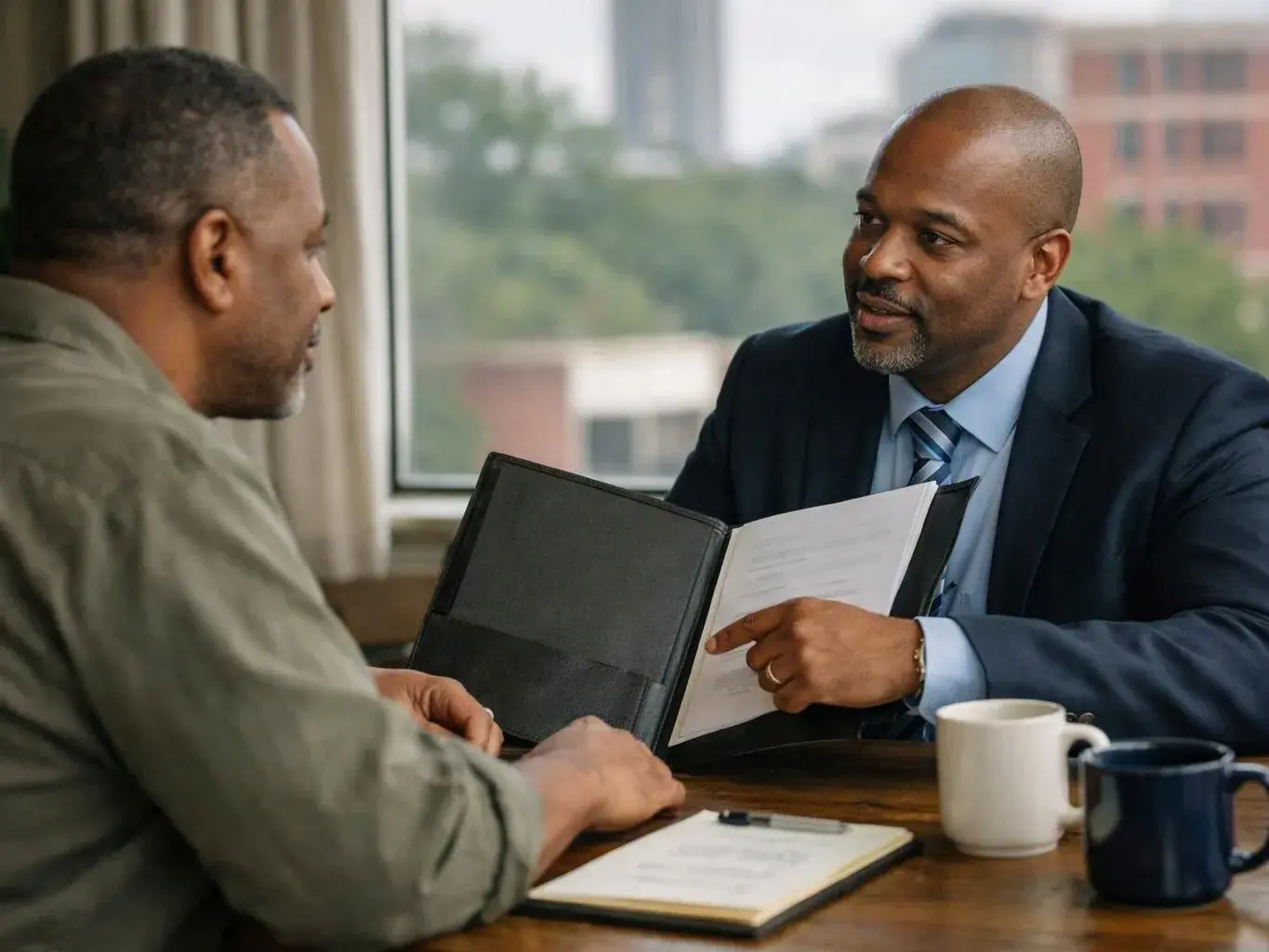
After you hire a personal injury lawyer, the legal team investigates the claim, organizes evidence, communicates with insurers and guides the client through decisions about settlement or litigation. Our team handles the claim communications and keeps the client informed about material developments.
The representation agreement explains the working relationship and legal fee. Attorney-client communication allows the client to share information with the legal team while we manage the insurance adjuster, claim correspondence, medical records and case investigation.
Clients retain control over important decisions, including whether to accept a settlement offer, continue settlement negotiation or pursue a lawsuit.
How Does a Lawyer Build the Value of a Claim?
A lawyer builds the value of a claim by proving economic damages, non-economic damages, causation and the effect of any comparative fault. We organize the evidence so the demand reflects the harm supported by the record.
Economic damages may include medical expenses, lost wages and future losses. Non-economic damages may include pain and suffering, physical limitations and the effect of the injury on daily life.
We connect the claimed damages to the incident and address arguments that another event caused the condition. We also examine comparative fault because a dispute about the injured person's conduct may affect recovery.
What Does the Legal Service Cost?
The cost of legal service depends on the claim's complexity, evidence needs, litigation work and case expenses, so the fee agreement should be reviewed before representation begins. Atlanta Auto Law offers Free Consultations and explains what the representation and expected case expenses include.
Cost drivers may include the amount of investigation required, the number of disputed issues, medical evidence, expert evidence and litigation requirements. We explain the fee agreement and expected expenses before representation begins.
What Happens When the Insurance Company Reviews the Claim?
When an insurance company reviews a claim, the insurer investigates liability, coverage and damages before accepting, denying or negotiating the claim. We manage the claim response and evaluate requests, statements and offers against the available evidence.
An insurance adjuster may request records, a medical authorization or a recorded statement. We review those requests before responding and explain how the information may affect the liability investigation, coverage review or settlement offer.
A claim denial does not by itself resolve the legal dispute. We assess the stated reason, compare it with the evidence and determine whether further negotiation or litigation is appropriate.
What Happens If the Insurance Company Will Not Agree to a Settlement?
If the insurance company will not agree to a settlement, the claim may continue through negotiation or proceed to a lawsuit when litigation is appropriate. We explain the risks, evidence needs and decision points before recommending the next step.
A settlement impasse may lead to a counteroffer, additional evidence or a renewed evaluation of the claim. If the dispute remains unresolved, a lawsuit begins with a complaint that identifies the claims against the defendant.
Our litigation strategy considers liability, causation, damages, insurance coverage, available evidence and the court process. Filing a lawsuit does not remove the possibility of settlement, but it adds formal obligations and litigation decisions.
What Happens During Discovery in a Personal Injury Lawsuit?
Discovery is the lawsuit stage where each side requests and exchanges information, documents and testimony relevant to the claims and defenses. Our team prepares responses, reviews opposing evidence and identifies factual issues that affect case strategy.
Discovery may include interrogatories, requests for production, requests for admission, subpoenas and depositions. The parties may exchange medical records, employment information, photographs, communications and expert witness materials.
We review each discovery response for accuracy, completeness and consistency with the available evidence. We also protect appropriate objections and address missing or disputed information through the court process when needed.
How Do Depositions Affect a Personal Injury Case?
A deposition allows a deponent to provide sworn testimony in response to questioning before trial. We prepare the client for the process, explain the subjects likely to arise and review the importance of answering truthfully and carefully.
The transcript may later be used to test consistency and credibility. Our team evaluates the testimony with the medical records, witness statements and other evidence when shaping case strategy.
How Does a Personal Injury Claim Reach Resolution?
A personal injury claim reaches resolution through settlement, mediation, another agreed process or trial, depending on the evidence, negotiations and decisions of the parties. We review the proposed outcome and explain its legal effect before the client accepts a resolution.
| Resolution path | What it means | What we review |
|---|---|---|
| Settlement | The parties agree to resolve the claim under stated terms. | Payment terms, release language and the effect of accepting the agreement. |
| Mediation | A neutral process helps the parties evaluate negotiated resolution. | Evidence, disputed issues and settlement authority. |
| Arbitration | An agreed or required decision process may determine the dispute. | The applicable rules, evidence and decision-maker's authority. |
| Trial | The court hears evidence and the fact finder reaches a verdict. | Witness testimony, exhibits, instructions and legal arguments. |
| Judgment | The court enters the formal result of the case. | The judgment's terms and any remaining legal steps. |
A settlement may require the client to sign a release and settlement agreement. We explain what rights the release affects before the client makes a final decision.
What Should You Do Before Starting a Personal Injury Claim?
Before starting a personal injury claim, seek appropriate medical care, preserve relevant evidence, document the incident and avoid making statements that speculate about fault. We can review the available facts and explain the next steps for the claim.
Questions About the Personal Injury Claims Process
When should I contact a personal injury attorney after an accident?
You should contact a personal injury attorney when you need help preserving evidence, assessing liability or communicating with an insurance company. Atlanta Auto Law reviews the incident facts, medical treatment and potential deadlines so the claim can move forward with informed decisions.
Can I pursue a personal injury claim if the other side disputes fault?
Yes, you may pursue a personal injury claim if the other side disputes fault, but the evidence must address liability, causation and comparative fault. We investigate the incident, gather supporting records and explain whether negotiation or a lawsuit fits the claim.
What documents should I bring to a personal injury consultation?
Bring accident reports, photographs, insurance correspondence, medical records, medical bills, income records and witness information when available. We can also discuss the incident timeline, treatment history and communications with the insurance adjuster.
Can a personal injury claim settle before a lawsuit is filed?
Yes, a personal injury claim can settle before a lawsuit is filed when the parties reach an agreement supported by the evidence. We review the settlement offer, release and settlement agreement before the client accepts the resolution.
What happens if my injuries are still being treated during settlement negotiations?
Settlement negotiations may need to account for ongoing medical treatment, future losses and unresolved causation issues. We review the available medical evidence and explain the risks of resolving a claim before the injury picture is clear.
Discuss Your Personal Injury Claim With Atlanta Auto Law
Atlanta Auto Law evaluates the evidence, manages insurer communications and explains the choices that shape a personal injury claim. Contact our team to discuss the incident, injuries, legal deadline and next steps.
Get a Free EstimateRelated Resources
Standard vs Comprehensive Personal injury attorney Engagements Compared (2026)
Compared ToLocal Specialist vs National Personal injury attorney Providers in Atlanta: Cost & Service Compared
Brand vs BrandAtlanta Auto Law vs Local Personal injury attorney Alternatives in Atlanta: Side-by-Side Comparison
How to HireHow to Choose a Personal Injury Lawyer in Atlanta