What to Expect During the Personal Injury Claims Process
The personal injury claims process usually involves an initial case review, evidence gathering, medical documentation, insurance communications, negotiations, and possible litigation. Atlanta Auto Law evaluates the claim, protects the evidence, handles communications, and explains whether settlement or court proceedings fit the case.
Request an EstimateHow Does the Personal Injury Claims Process Begin?
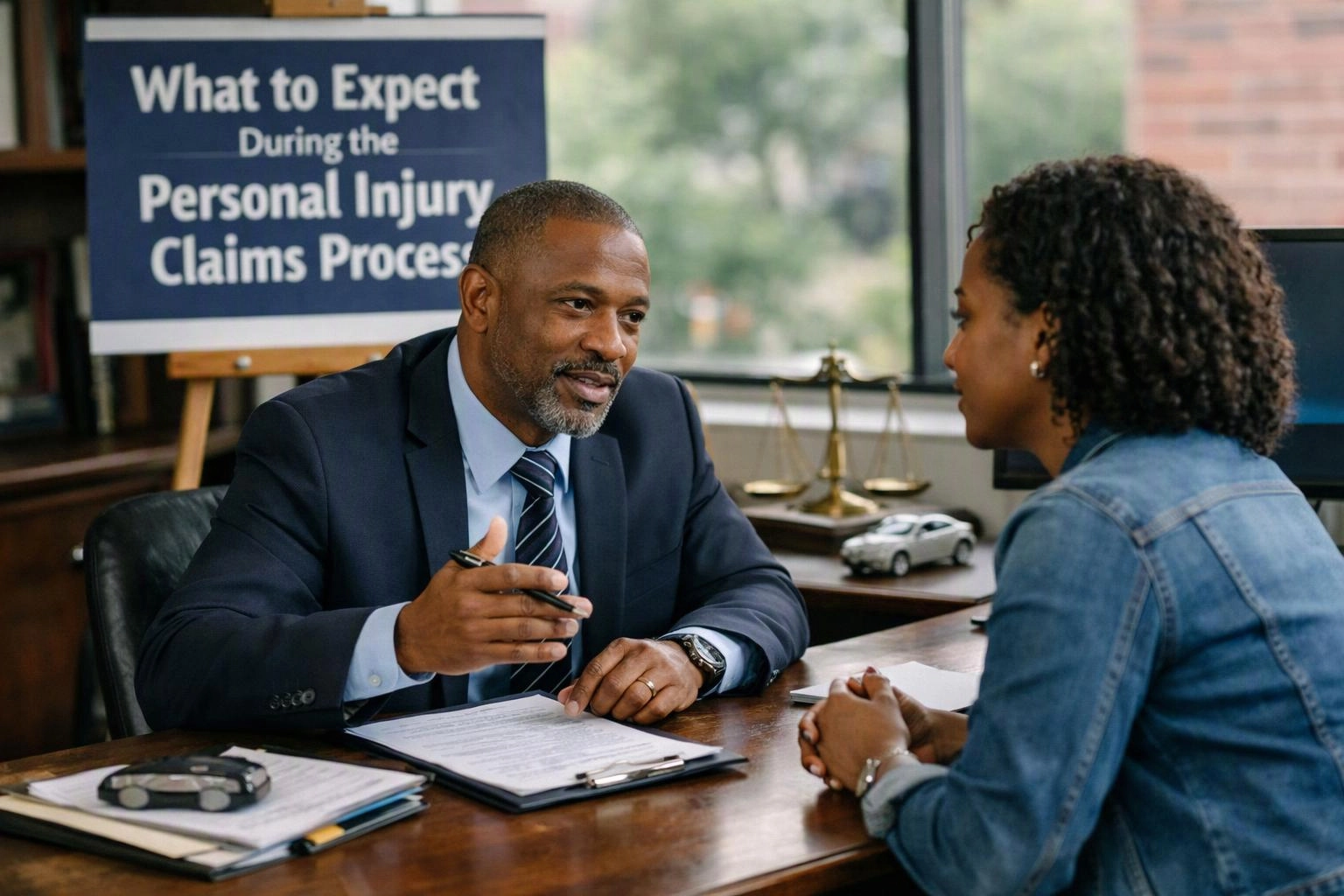
The personal injury claims process begins with a review of the accident, injuries, available evidence, insurance coverage, and potential legal claims. Atlanta Auto Law uses the initial consultation to understand what happened and identify the issues that may affect liability and damages.
An injured person may have a personal injury claim after a car accident, truck accident, motorcycle accident, pedestrian accident, bicycle accident, rideshare accident, or bus accident. Other claims may involve a slip and fall, negligent security, dog bite, wrongful death, construction accident, medical malpractice, or product liability.
Our team reviews the accident circumstances, the conduct of the at-fault party, the available insurance, and the harm reported by the injured person. We also consider whether the evidence supports a traumatic brain injury claim or another serious injury claim.
What Are the Main Steps in a Personal Injury Claim?
A personal injury claim follows a legal process involving case evaluation, evidence preservation, liability analysis, damages documentation, negotiation, settlement, or litigation. Our team guides the injured person through each step and explains decisions as the case develops.
Each case can move through these steps differently. We adjust the investigation and negotiation strategy when the insurance company disputes fault, questions the injuries, or raises a coverage issue.
What Information and Documents Help Prepare a Claim?
Documents and firsthand details help establish what happened, who may be responsible, and how the injury affected the injured person. Our team uses the available records to build an organized evidence file.
| Information or document | How it may help |
|---|---|
| Accident report | Records basic details about the incident and the people involved. |
| Medical records and medical bills | Documents diagnoses, medical treatment, and related expenses. |
| Photographs | Shows vehicles, property damage, visible injuries, and the accident scene. |
| Witness information | Supports later witness statements or testimony about the incident. |
| Insurance policy information | Helps identify available coverage and the parties involved in the insurance claim. |
| Lost income records | Helps document missed work and income-related damages. |
| Property damage evidence | May help explain the force, location, and mechanics of an accident. |
Records about pain and suffering may also help explain how an injury changed daily activities. We connect those effects with the medical documentation and other damages evidence.
What Should You Do Before the Claim Process Begins?
Before the claim process begins, you can protect your health, records, and account of the incident. These actions give our team useful information when we evaluate the case.
We help organize these materials and identify gaps that may affect liability or damages. Prompt action also helps preserve evidence that may become harder to obtain later.
When Can a Personal Injury Claim Involve a Lawsuit?
A personal injury claim may involve a lawsuit when the parties cannot resolve liability, damages, coverage, or another material issue through the insurance claim process. We assess whether filing a complaint in civil court is appropriate for the claim.
A liability dispute may arise when the defendant denies causing the accident or blames the injured person. A damages dispute may involve the severity of the injury, medical treatment, lost wages, or pain and suffering.
Insurance coverage can also affect the path of a claim. We review the available policies and explain how the statute of limitations may affect the time to bring a personal injury lawsuit.
When litigation is needed, the complaint identifies the legal claims and the defendant. The civil court process then controls how the parties present evidence and seek relief.
How Do Settlement Negotiations Work in Personal Injury Cases?
Settlement negotiations compare the available liability and damages evidence with the insurer's position until the parties reach an agreement or determine that litigation is necessary. We present the claim through a settlement demand and explain the reasons supporting the requested compensation.
The insurance adjuster may respond with a settlement offer, questions, or a request for additional documents. We review the response and may prepare a counteroffer when the evidence supports further negotiation.
Liability evidence can include photographs, accident reports, witness statements, and other records. Damages evidence can include medical records, medical bills, lost income records, and information about pain and suffering.
A settlement becomes binding through a release agreement and related settlement documents. We explain what rights the release affects before the injured person decides whether to accept the agreement.
What Happens During Personal Injury Litigation?
Personal injury litigation uses pleadings, discovery, motions, negotiation, and potentially trial to resolve disputed liability or compensation in court. Our team manages the legal filings and prepares the evidence for each stage.
Pleading begins with the complaint and the defendant's response. Discovery then allows the parties to exchange information through interrogatories, requests for production, and other formal requests.
Depositions let attorneys question parties and witnesses under oath. Motions ask the court to decide procedural or legal issues before trial.
Mediation gives the parties another opportunity to negotiate with help from a neutral mediator. If the case remains unresolved, trial allows the judge or jury to consider the evidence and reach a decision.
How Is a Settlement Different From a Court Judgment?
A settlement is an agreement reached by the parties, while a court judgment is a decision entered through the litigation process. We explain the practical effect of each option before the injured person chooses a path.
A settlement agreement usually includes a release of claims. The parties decide the terms, and the agreement resolves the claims covered by the release.
A court judgment may follow a jury verdict or a decision by a judge. The judgment states what the court has ordered and may be subject to enforcement procedures.
Settlement and judgment decisions depend on the evidence, risks, available insurance, and goals of the injured person. Our team discusses those factors during case evaluation and settlement negotiation.
Questions About the Personal Injury Claims Process
What happens after a personal injury claim is filed?
Atlanta Auto Law reviews the filed claim, continues gathering evidence, handles insurance communications, documents damages, and evaluates settlement or litigation options.
What should I say to the insurance adjuster after an accident?
You should provide basic factual information and avoid guessing about fault, the full extent of your injuries, or the value of your claim. Contact our team before giving a recorded statement or signing a release.
Can a personal injury claim settle before going to court?
Yes, a personal injury claim can settle before going to court when the parties agree on liability, damages, insurance coverage, and settlement terms.
What evidence is important in a personal injury case?
Important evidence may include accident reports, medical records, medical bills, photographs, witness information, insurance documents, lost income records, and property damage evidence.
What happens if the other party denies responsibility?
If the other party denies responsibility, we investigate liability, preserve supporting evidence, present the claim to the insurance company, and assess whether a personal injury lawsuit is necessary.
Atlanta Auto Law reviews personal injury claims, protects evidence, and explains the choices between settlement and civil litigation. We offer Free Consultations to discuss the facts and next steps.
Contact Atlanta Auto Law to begin a case review.
Related Resources
Wrongful Death Claims After a Fatal Truck Accident
What Goes With ItLitigation Funding Agreements for Personal Injury Claims: What to Review Before Signing
What to AvoidCar Accident Mistakes to Avoid After a Crash
What to AvoidCommon Insurance Claim Mistakes That Can Reduce an Injury Settlement