Skip to content

Amputation Injury Claims in East Atlanta, GA

Home accessibility changes the claim when a replacement is needed instead of an adjustment in East Atlanta. We assess how medical care, prosthetic devices, and daily support affect your losses.

Upfront, Transparent PricingServing 6 CommunitiesMon-Sun: Open 24 hoursFast Scheduling

Quick Summary: Amputation injury claims in East Atlanta, GA

Amputation Injury Claims in East Atlanta are handled by Atlanta Auto Law for people seeking compensation for medical care, lost wages, pain, and life changes. Coverage extends through metro Atlanta, including Marietta, Alpharetta, Sandy Springs, Roswell, Johns Creek, Decatur, Lawrenceville, and Union City.

  • What we do: Atlanta Auto Law handles Amputation Injury Claims for injured people in East Atlanta, GA and surrounding metro Atlanta communities.
  • What is included: Medical record review, insurance negotiation, wage-loss claims, pain and suffering claims, and representation through mediation or trial.
  • What you get: The client receives a clear claim assessment tied to medical expenses, lost wages, pain, and accident-related losses.

Why does life after an amputation require a different injury claim?

Life after an amputation can require compensation for ongoing medical care, prosthetic devices, home accessibility, lost wages, pain, and vocational training. A claim must address more than the first hospital bill. The records should show how the injury affects work, movement, daily tasks, and future care.

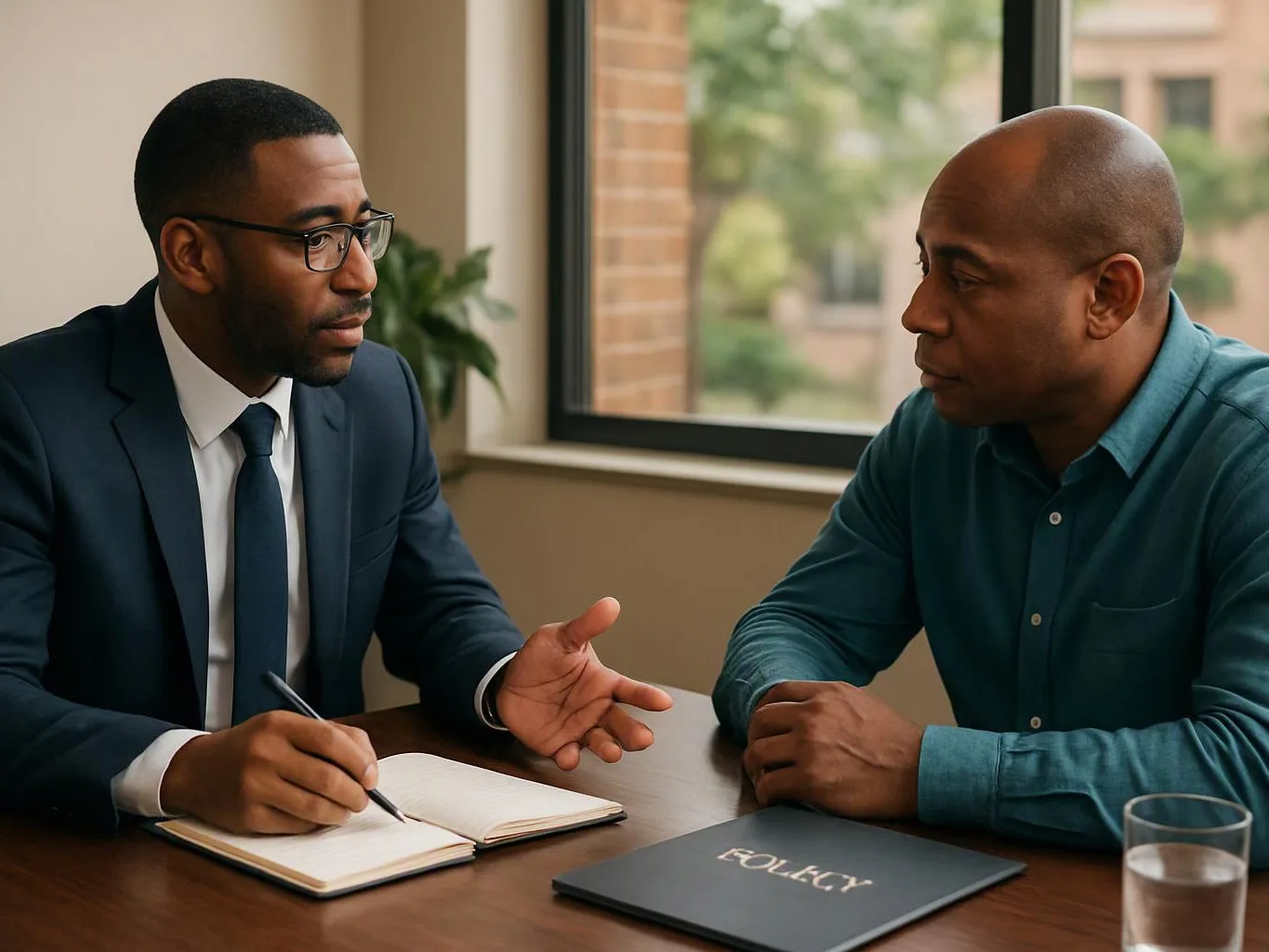
Working With Our Team in East Atlanta

An amputation injury claim addresses the full effect of a catastrophic injury, not only the first treatment. Atlanta Auto Law reviews the accident, medical records, lost wages, pain, and changes to daily life.

The key decision is whether the claim reflects future needs as well as past bills. A client may need prosthetic devices, home accessibility work, vocational training, or care for phantom pain. We gather records and present those losses to the insurer or court.

This service fits people injured in car, truck, motorcycle, rideshare, pedestrian, bicycle, hit-and-run, or drunk-driving crashes. It may not fit a dispute unrelated to a motor vehicle injury, such as a contract breach or a separate business claim.

  • Medical records should describe the amputation, treatment, pain, and expected care.
  • Wage records help connect the injury to lost income and work changes.
  • Prosthetic needs and daily limitations should be documented.
  • Home changes should be tied to mobility and safe daily use.
  • The claim should account for past and future accident-related losses.
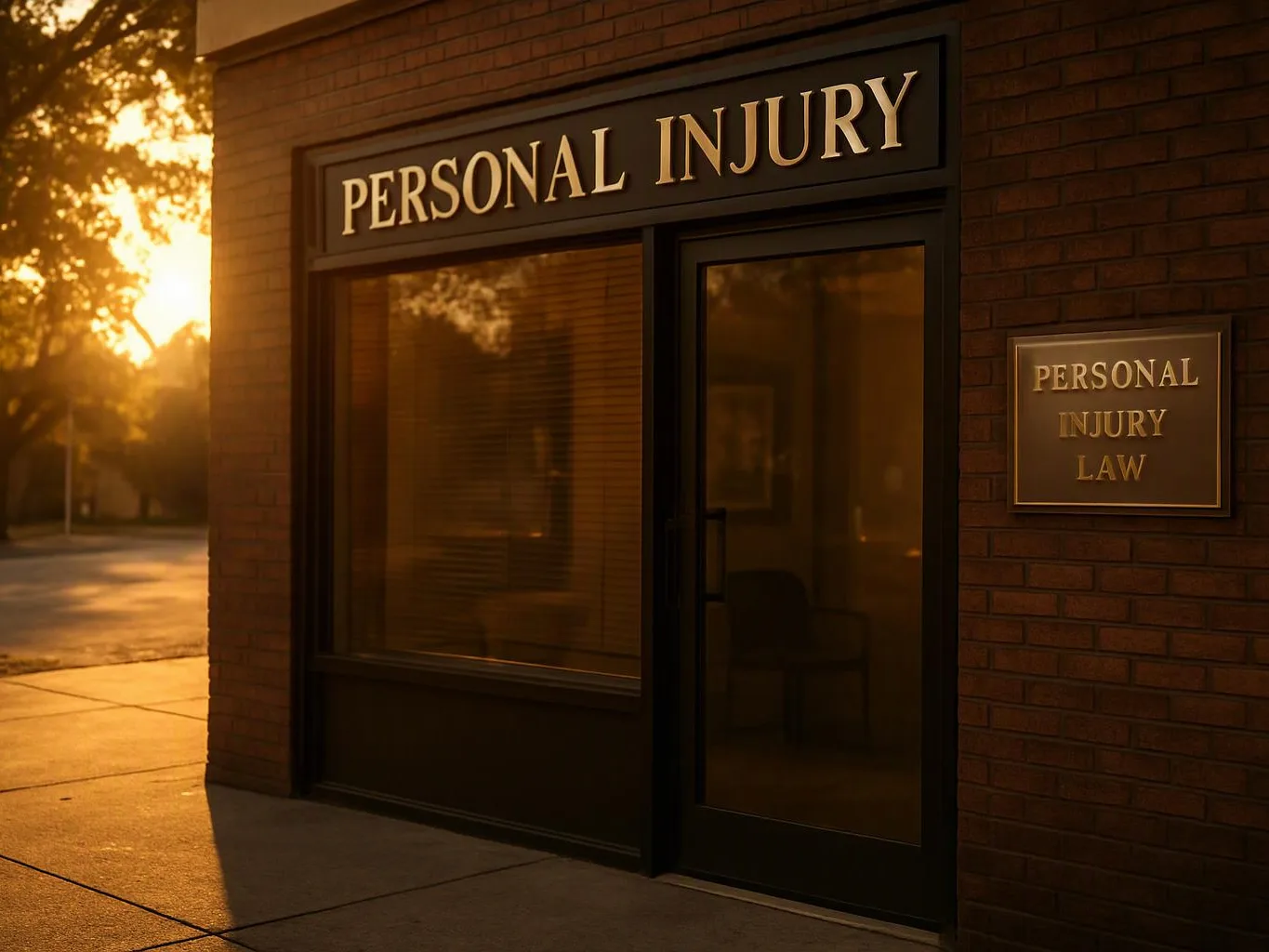
Sunlit brick storefront with a glass door and signs reading “PERSONAL INJURY” and “PERSONAL INJURY LAW”

Service Overview

Amputation injury claims are legal claims that seek compensation for losses caused by the loss of a limb.

  • These claims differ from routine accident claims because they can include long-term care, prosthetic devices, vocational training, and phantom pain.
  • Atlanta Auto Law handles these claims for clients in East Atlanta and throughout metro Atlanta.

What this claim work changes for the client

A focused claim connects the amputation to medical care, work loss, and daily limits.

Future needs receive attention before an insurer values the case.

The record can include phantom pain, prosthetic devices, and vocational training.

Clients receive personalized representation while pursuing fair compensation.

Our contingency-fee agreement means clients pay no fees unless we win their case.

What amputation injury claims include

Atlanta Auto Law provides comprehensive Amputation Injury Claims in East Atlanta. Here's what you get:

  • We review police records, medical records, treatment notes, and other accident documents.
  • We identify medical expenses, lost wages, pain and suffering, and other accident-related losses.
  • We assess how prosthetic devices, phantom pain, and future care affect the claim.
  • We examine whether home accessibility changes are part of the client’s long-term needs.
  • We handle insurance negotiation, mediation, and trial when the claim calls for those steps.
  • We explain settlement distribution and the choices available under Georgia law.

How we approach life after an amputation

Future needs need a written record

Medical notes, wage records, and care information help show what the injury changed. We build the claim around those records and explain what each item supports.

Home changes must fit the injury

Home accessibility belongs in the claim when mobility changes make daily tasks harder. We consider that need with medical care and other losses.

The service must match the dispute

This work fits an amputation tied to a motor vehicle accident. A medical malpractice, workers compensation, or unrelated civil dispute may require a different legal service.

Process

How we handle an amputation injury claim

1

Review the first records

We review the accident report, medical records, treatment notes, wage information, and available insurance details.

2

Map the life changes

We identify how the amputation affects movement, work, pain, home tasks, prosthetic needs, and future care.

3

Document the losses

We organize medical expenses, lost wages, pain and suffering, vocational training, and other accident-related losses.

4

Present the claim

We prepare the claim for insurance negotiation and address the insurer’s response with supporting records.

5

Pursue the next legal step

If negotiation does not resolve the dispute, we evaluate mediation or trial and explain the available choices.

Loss areas reviewed in an amputation claim

This table shows how different loss areas can relate to life after an amputation.

Loss areaWhat it may showRecords we review
Medical careTreatment, follow-up care, and future medical needsMedical records and treatment notes
Work lossMissed income, restrictions, and changed work abilityWage records, job duties, and medical restrictions
Daily lifePain, mobility limits, home needs, and prosthetic useMedical notes, care records, and client information

The Atlanta Auto Law Standard

  • Clear Guidance
  • Individual Evaluation
  • Claims Investigation
  • Compassionate Support

Questions about amputation injury claims

What compensation may address life after an amputation?

Home accessibility, prosthetic devices, vocational training, medical care, lost wages, and pain may support compensation. Atlanta Auto Law reviews how the injury changes daily life and work. Medical records and wage documents help connect those needs to the accident. Individual results vary, and past results don’t guarantee future outcomes.

What does the team look at first in an amputation claim?

The first review covers the accident records, medical treatment, amputation details, and available insurance information. We then assess work loss, pain, mobility, and future care needs. That review helps identify the records needed for negotiation. A free consultation gives the client a chance to discuss the claim before choosing the next step.

What should be checked before the claim is scheduled?

The accident connection, medical records, wage loss, and current treatment should be checked first. We also ask how the injury affects daily tasks, work, prosthetic needs, and pain. Clients can bring records they already have, but the first consultation can begin before treatment is complete.

Who is a good fit for this legal service?

People with an amputation caused by a motor vehicle accident are a good fit for this service. Atlanta Auto Law handles car, truck, motorcycle, rideshare, pedestrian, bicycle, hit-and-run, and drunk-driving cases. A workers compensation, medical malpractice, or unrelated civil dispute may require a different service.

How does a contingency fee work for this type of claim?

A contingency fee means the client pays no fees unless Atlanta Auto Law wins the case. The written agreement explains the fee terms and any case costs. The client can discuss those terms during a free consultation. No fee amount is stated here because each agreement depends on the representation.

Which records help show future work loss?

Wage statements, job duties, medical restrictions, and treatment records help show future work loss. Vocational training records can add context when the injury changes the type of work a client can perform. We review these materials with the accident evidence and explain how they support the claim.

When should someone discuss an amputation injury claim?

Someone should discuss the claim when the injury creates medical, work, pain, or daily-life losses. Early records can preserve accident details and connect treatment to the injury. Treatment does not need to be finished before a consultation. Our team explains the available options under Georgia law.
Contact

Discuss an amputation injury claim in East Atlanta

Schedule a consultation with Atlanta Auto Law, and urgent requests get priority scheduling.

The information on this website is for general informational purposes only and is not legal advice, does not create an attorney-client relationship, and may not reflect current law in Atlanta, Georgia, United States. Every situation is different; consult a licensed attorney about your specific matter. Prior results do not guarantee a similar outcome.

(678) 235-3870