How can frame cracks affect a bicycle claim?
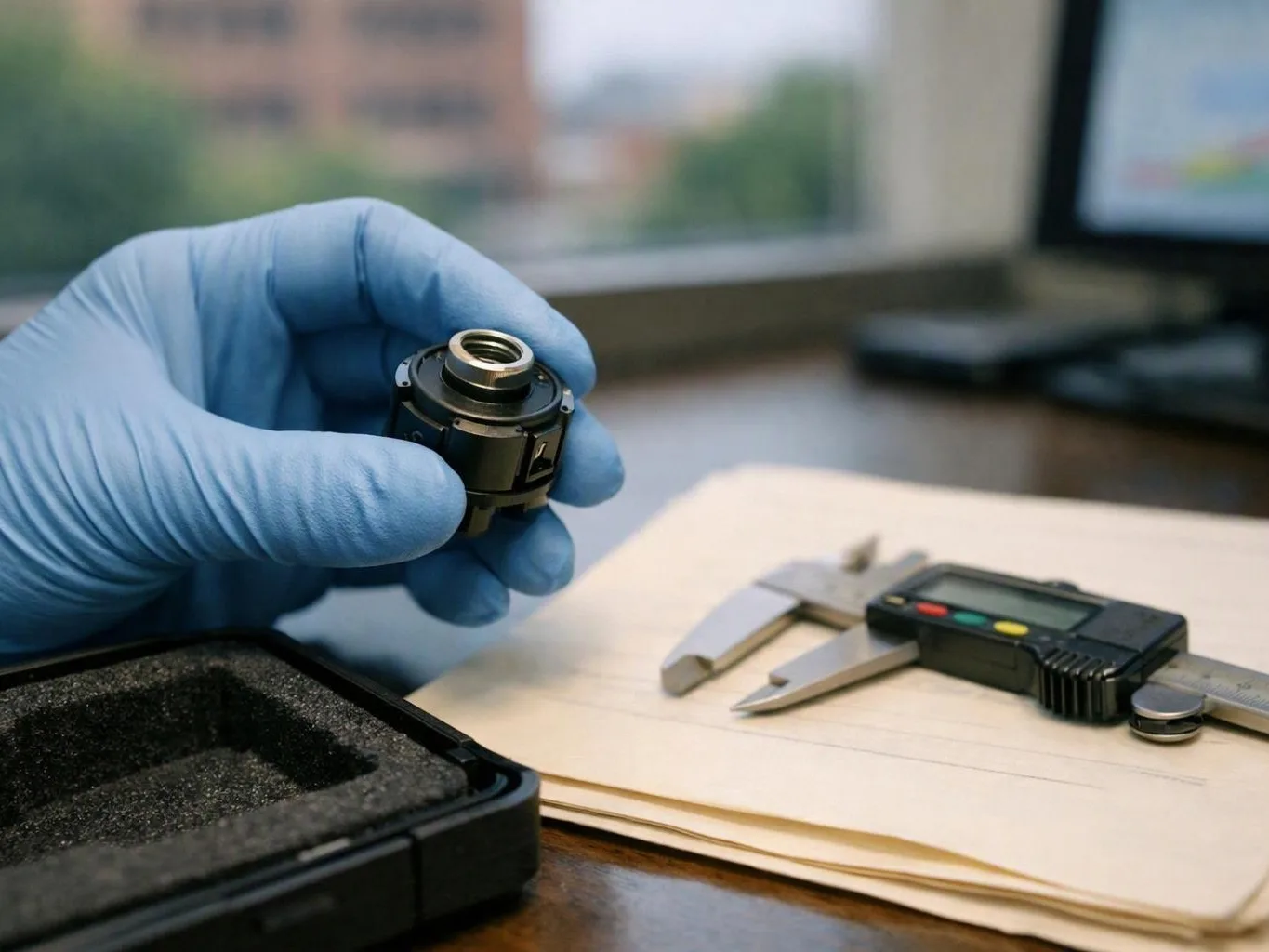
Frame cracks can support a defective-equipment claim when they contributed to the crash or existed before impact. Atlanta Auto Law reviews the frame, crash account, repair history, photographs, and medical records. Preserve the bicycle and avoid repairs until the evidence receives legal review. The damage alone does not establish who caused the injury.
What should be ready before a bicycle injury claim starts?
A bicycle injury claim starts with the bike, crash records, medical records, and loss information. Bring the police report, photographs, insurer messages, purchase documents, repair receipts, wage records, and medical bills when available. We use those materials to assess fault, equipment condition, injury treatment, and the compensation being pursued.
Which bicycle parts deserve review after a crash?
Damaged frames, brakes, tires, handlebars, and helmets deserve review after a bicycle crash. Our team checks whether a part failed before impact, during the crash, or after contact with the road or vehicle. The part’s condition, repair history, and photographs can affect whether a product, repair, or injury claim deserves further action.
When should an injured rider speak with a personal injury attorney?
An injured rider should seek legal advice before giving detailed statements or discarding the bicycle. Early review helps preserve equipment, medical, police, and insurance evidence. Atlanta Auto Law also considers ongoing treatment, lost wages, pain, and other losses when discussing the claim.
What should a customer ask before agreeing to representation?
A customer should ask what claims will be reviewed, how the contingency fee works, and which case costs could arise. The agreement should explain the representation, communication process, and handling of settlement funds. We answer those questions during a free consultation before the client decides.
Why do medical records matter in a bicycle claim?
Medical records link the crash to the diagnosis, treatment, symptoms, and claimed losses. We compare those records with the accident account and available equipment evidence. Clients should keep bills, treatment instructions, work records, and insurer correspondence together for the case review.
How does insurance negotiation fit into the claim?
Insurance negotiation presents the supported facts and losses to the responsible insurer. We use police records, medical records, photographs, wage information, and a demand letter when appropriate. If negotiation does not resolve the dispute, we discuss mediation or trial based on the case.