What damages can a bicyclist recover after a crash?
Bicycle replacement can be one recoverable loss, along with medical expenses, lost earnings, and emotional distress. Atlanta Auto Law reviews each category against the available records. A rider’s treatment notes, wage documents, bicycle damage information, and personal account help show how the crash affected daily life.
How does a claim move from the first call to the last step?
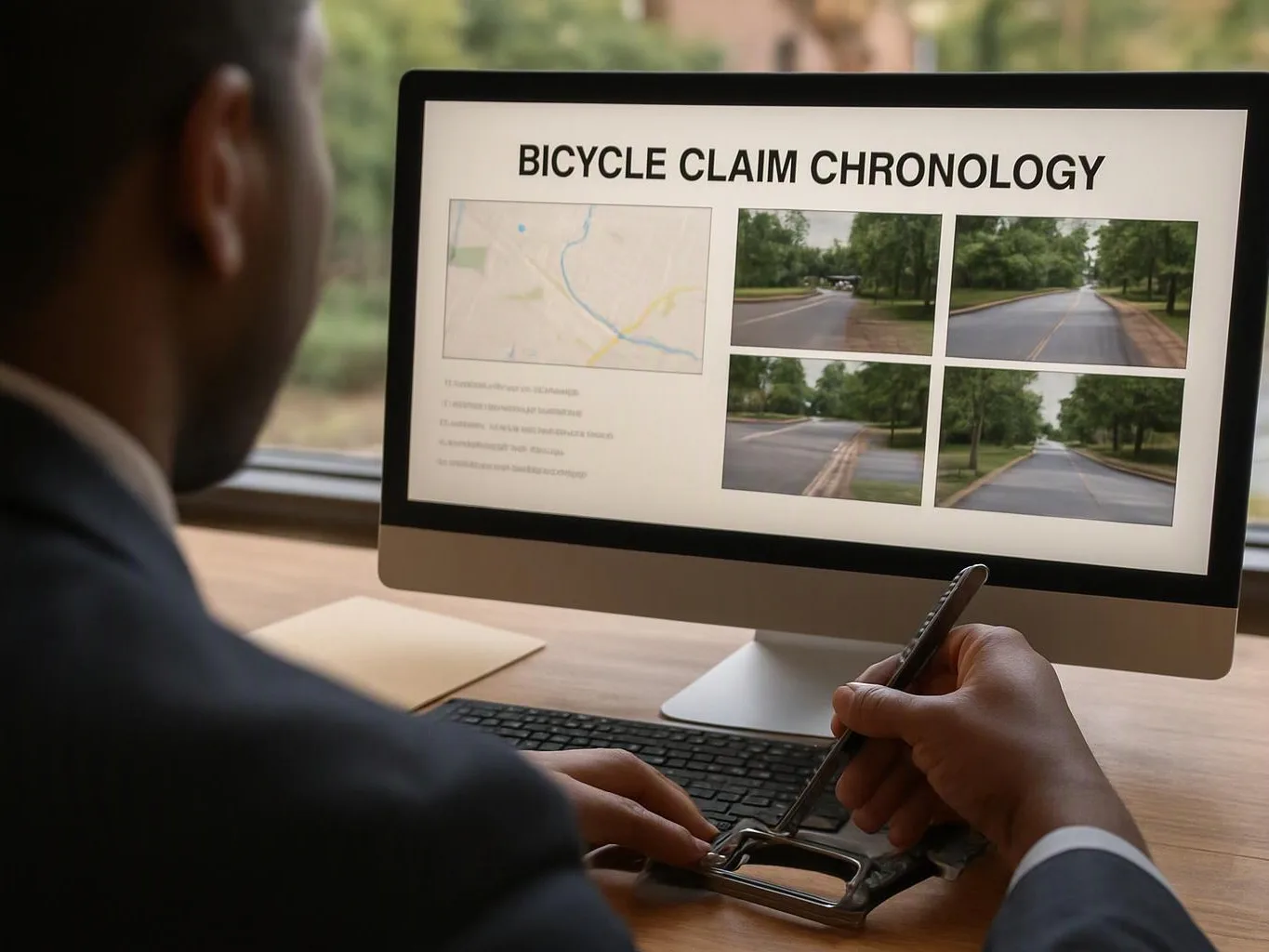
The process moves from intake and record review to investigation, insurance negotiation, and possible litigation. We first learn what happened and identify the losses. Next, we gather supporting documents and prepare the claim. Settlement distribution follows an agreement, while unresolved matters can move through discovery, mediation, or trial.
Which documents should I bring to the first consultation?
Crash reports, medical records, wage documents, insurance letters, photographs, and bicycle repair information help start the review. Bring what you have, even if the file is incomplete. Our team can identify the records needed to explain treatment, missed work, property damage, and the insurance position.
When should I speak with an attorney after a bicycle crash?
A rider should seek legal guidance when injuries, missed work, disputed responsibility, or an insurance problem affects the claim. Early review helps preserve records and keeps claim statements consistent. Medical treatment should continue as directed, and the rider should keep copies of bills, restrictions, and insurer communications.
Why can emotional distress be part of a bicycle injury claim?
Emotional distress can form part of a claim when the crash causes documented mental or emotional harm. Treatment notes, symptoms, daily effects, and the rider’s account can help explain that harm. The review also compares emotional distress with physical injuries, medical expenses, and work losses.
What does a personal injury attorney handle beyond insurance talks?
A personal injury attorney can investigate the crash, gather records, prepare a demand letter, manage discovery, and pursue mediation or trial. We also explain settlement distribution and claim choices. Those steps matter when an insurer questions the injuries, losses, or value of the rider’s request.