Skip to content

Bus Accident Claims in Downtown Atlanta, GA

Passenger records guide our evidence review for bus injury claims in Downtown Atlanta. We connect those records with the route, police report, and witness accounts.

Upfront, Transparent PricingServing 6 CommunitiesMon-Sun: Open 24 hoursFast Scheduling

Quick Summary: Bus Injury Claims in Downtown Atlanta, GA

Bus accident claims in Downtown Atlanta are handled by Atlanta Auto Law for people injured on buses and in related vehicle crashes. The firm serves metro Atlanta and offers free consultations, with representation based on a contingency fee.

  • What we do: Atlanta Auto Law reviews bus accident claims for injured people in Downtown Atlanta, GA, including evidence tied to passenger travel and the collision.
  • What is included: Evidence review, police and medical record gathering, insurance negotiation, demand letters, mediation, trial preparation, and wrongful-death representation.
  • What you get: The customer receives a clear claim assessment, an evidence plan, and guidance on pursuing accident-related losses.

What evidence should I gather after a bus collision?

Passenger records should be saved after a bus collision because they can help show who traveled on the bus and when. Keep tickets, payment records, trip details, photographs, medical records, and messages about the crash. Atlanta Auto Law also reviews the bus route, surveillance footage, witness statements, and police report.

Bus Accident Claims in Downtown Atlanta, GA: Evidence That Shapes the Case

Bus accident claims focus on proving what happened, who was hurt, and which losses followed. This page serves passengers, pedestrians, drivers, and families facing a bus-related injury claim in Downtown Atlanta.

The key decision is often whether the available records support a claim and what evidence still needs to be gathered. We review passenger records, the bus route, surveillance footage, witness statements, and the police report before advising on the next step.

A bus collision can involve more than one account of the event. The bus operator, another driver, passengers, and nearby witnesses may describe different details, so our team compares the records rather than relying on one statement.

  • Save passenger records, payment details, trip information, and messages about the collision.
  • Request or preserve photographs of the scene, vehicle damage, and visible injuries.
  • List witnesses and record what each person saw before memories change.
  • Keep medical records, bills, work records, and notes about symptoms.
  • Ask us to review the police report and available surveillance footage.
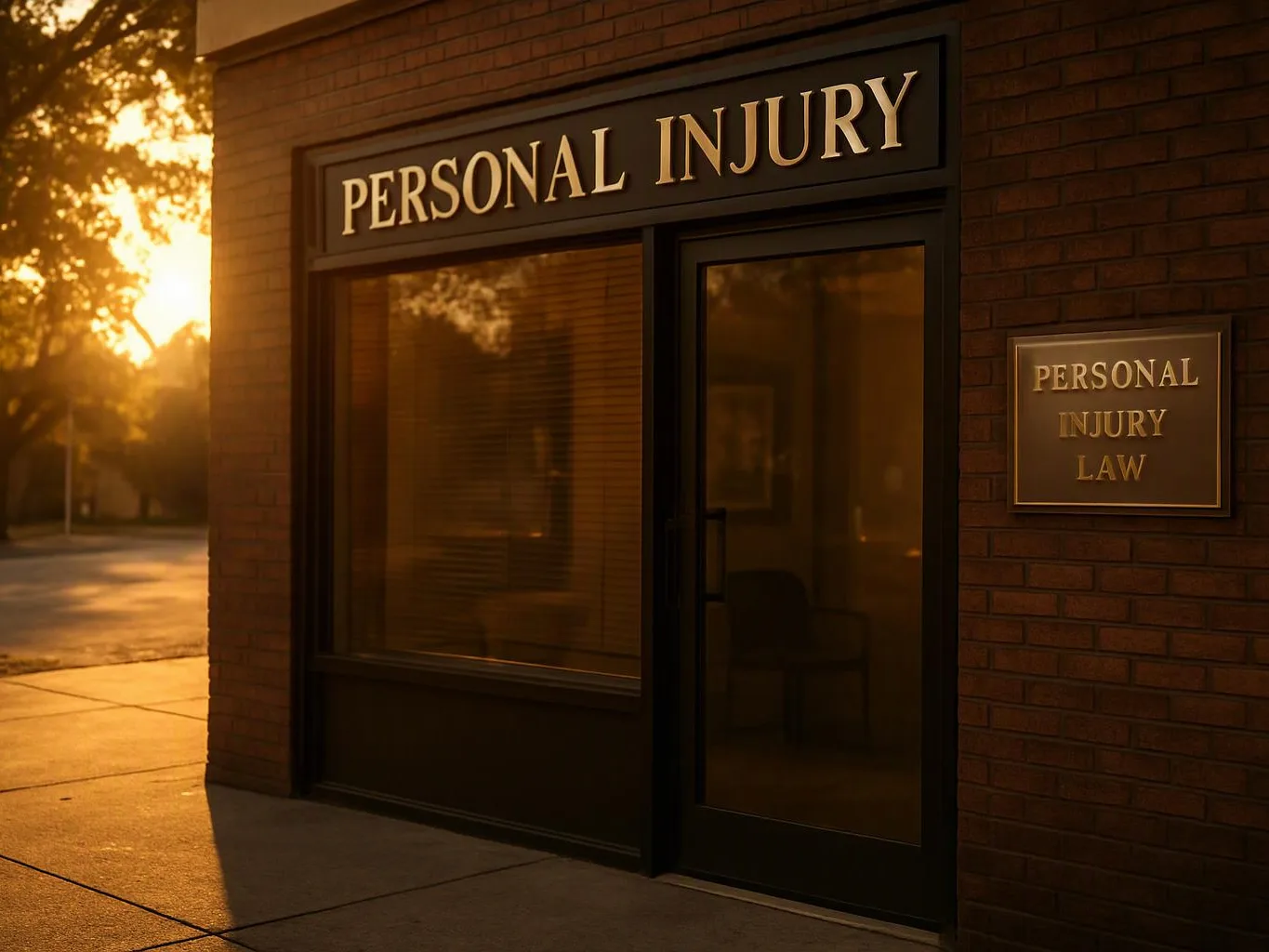
Sunlit brick storefront with a glass door and signs reading “PERSONAL INJURY” and “PERSONAL INJURY LAW”

Service Overview

Bus accident claims are injury cases that seek compensation after a passenger bus collision or related crash.

  • These claims differ from ordinary car accident claims because passenger records, bus route details, and transit footage can help establish what happened.
  • Atlanta Auto Law handles these claims in Downtown Atlanta and throughout metro Atlanta.

What Our Bus Injury Claim Work Includes

Atlanta Auto Law provides comprehensive Bus Accident Claims in Downtown Atlanta. Here's what you get:

  • We review the collision facts and the records tied to the bus trip.
  • We gather and assess police records, medical records, photographs, and witness information.
  • We examine the bus route and available surveillance footage for useful case details.
  • We identify accident-related losses such as medical expenses, lost wages, and pain and suffering.
  • We handle insurance negotiation, demand letters, discovery, mediation, and trial preparation when the case requires them.
  • We explain the claim process and the choices available under Georgia law.

What This Claim Review Helps You Decide

A focused evidence review shows which facts support your account of the collision.

Early record gathering helps preserve details that could become harder to obtain later.

Medical and wage records connect the injury to the losses you seek to recover.

Insurance discussions follow a documented claim instead of an unsupported account.

Families can receive guidance when a bus collision leads to a wrongful-death case.

The review helps separate a bus injury claim from a claim that belongs under another legal service.

The scope this service is meant to handle

A passenger leaves a bus after a collision with pain that worsens later. The claim review starts with the trip record, medical care, police report, and witness accounts, then checks whether surveillance footage or route details can add proof. We use those records to set a clear next step for negotiation or further case work.

How We Approach Bus Injury Cases

Evidence before negotiation

Passenger records, route details, and the police report can shape the claim before insurance talks begin. This service is not the right fit for a matter unrelated to a bus collision or injury.

Losses tied to the injury

Medical expenses, lost wages, pain and suffering, and other accident-related losses need support in the file. We connect those losses to records and the facts of the crash.

Representation for serious harm

Catastrophic injury, traumatic brain injury, spinal cord injury, and wrongful-death cases need careful review. Our team handles the legal work while you focus on medical care.

Process

How We Build a Bus Injury Claim

1

Gather the collision records

We collect the available passenger records, police report, medical records, photographs, and witness details.

2

Check the route and footage

We compare the bus route with surveillance footage and other evidence that may show how the collision unfolded.

3

Document the injury losses

We organize medical expenses, lost wages, pain and suffering, and other accident-related losses.

4

Assess the legal options

We explain the claim position, evidence gaps, insurance issues, and possible next steps under Georgia law.

5

Pursue the claim

We handle the demand letter, insurance negotiation, discovery, mediation, or trial preparation when those steps fit the case.

Evidence Sources in a Bus Injury Claim

Each evidence source answers a different question about the collision and the resulting injury.

Evidence sourceWhat it may showHow we use it
Passenger recordsThe passenger's trip and travel detailsWe compare the record with the collision account and other evidence
Bus routeThe bus movement and route contextWe assess whether route details support the event timeline
Surveillance footageVisible movement before, during, or after impactWe compare video with witness accounts and the police report
Witness statementsWhat passengers, drivers, or observers sawWe record and compare statements for consistent facts
Police reportReported collision facts and involved partiesWe review it with medical and scene records

The Atlanta Auto Law Standard

  • Clear Guidance
  • Individual Evaluation
  • Claims Investigation
  • Compassionate Support

Questions About Bus Injury Claims

How should I compare lawyers for a bus injury claim?

A lawyer should explain the evidence needed, the claim process, and the fee agreement before representation begins. Ask about experience with bus collisions, insurance negotiation, discovery, mediation, and trial. You should also understand which losses the claim will address and how the lawyer will keep you informed.

What should be ready before a bus injury claim starts?

Basic collision details and medical records give the initial review a useful starting point. Gather the date, location, bus information, photographs, police report, witness contacts, bills, and work records. Missing documents do not end the discussion, but they can affect how the claim is assessed.

Which losses can a bus injury claim address?

A bus injury claim can address medical expenses, lost wages, pain and suffering, and other accident-related losses. The records must connect each loss to the collision and injury. We review treatment records, bills, wage information, and the facts of the crash before presenting the claim.

When should I speak with a personal injury attorney after a bus crash?

You should speak with an attorney after receiving medical care and preserving the first records of the crash. Early review helps identify witnesses, footage, police records, and insurance communications that may matter. Atlanta Auto Law offers free consultations for people seeking guidance about their options.

Why can surveillance footage matter in a bus collision case?

Surveillance footage can show vehicle movement, passenger activity, and the moments around the impact. Footage may also help compare conflicting accounts from passengers, drivers, and witnesses. We check whether available video supports the timeline and other records in the claim.

What should I ask before agreeing to representation?

You should ask what evidence the lawyer will review, how the contingency-fee agreement works, and which case costs may apply. Ask who will handle insurance negotiation, discovery, mediation, and trial preparation. The answers should match your injury, records, losses, and goals.
Contact

Discuss Your Bus Injury Claim in Downtown Atlanta

Did a bus collision leave you injured or unsure what to preserve? Contact Atlanta Auto Law for a consultation, and urgent requests get priority scheduling.

The information on this website is for general informational purposes only and is not legal advice, does not create an attorney-client relationship, and may not reflect current law in Atlanta, Georgia, United States. Every situation is different; consult a licensed attorney about your specific matter. Prior results do not guarantee a similar outcome.

(678) 235-3870