Skip to content

Dangerous Drug Claims in East Point, Georgia

A new symptom or warning sign after taking a drug can point to undisclosed risks in East Point. Our Georgia-licensed legal professionals review the drug, label, and injury.

Licensed & InsuredUpfront, Transparent PricingServing 55 CommunitiesMon-Sun: Open 24 hours

Quick Summary: dangerous drug claims in East Point, Georgia

Dangerous Drug Claims in East Point are handled by Atlanta Auto Law for people harmed by unsafe ingredients, labeling failures, or adverse reactions. We serve Atlanta, Fulton County, and nearby Georgia communities through investigation, evidence gathering, insurance negotiation, and litigation when needed.

  • What we do: Atlanta Auto Law handles Dangerous Drug Claims for East Point clients who report harm from unsafe drugs, missing warnings, or adverse reactions.
  • What is included: Our capabilities include product and label review, medical record gathering, insurance negotiation, demand letters, and litigation when needed.
  • What you get: The client receives a clear assessment of the claim, the evidence needed, and the available legal options.

When may a dangerous drug support a legal claim?

Undisclosed risks may support a legal claim when a drug causes harm and evidence links the injury to an unsafe ingredient, missing warning, or adverse reaction. A review of medical records, prescription details, product information, and the injury helps assess the claim. Each case is different, so the facts must be examined before legal action is chosen.

Tailored Solutions for East Point

Dangerous drug claims focus on whether a medication caused harm and whether the product information gave a fair warning. The work may involve unsafe ingredients, label failures, adverse reactions, and the link between the drug and the injury.

This page serves people who need a focused review of a drug injury, not a general accident assessment. Our team checks prescription details, medical records, product labels, treatment history, and communications with insurers.

Clients must decide whether the available facts support further action. We explain what the records show, what evidence still matters, and whether insurance negotiation or litigation fits the claim.

  • Identify the drug, dose, prescription source, and dates of use.
  • Match reported symptoms with medical records and treatment notes.
  • Check warnings, instructions, and known label concerns tied to the product.
  • Separate the drug injury from unrelated medical conditions or accidents.
  • Review insurance communications before a statement or settlement decision.
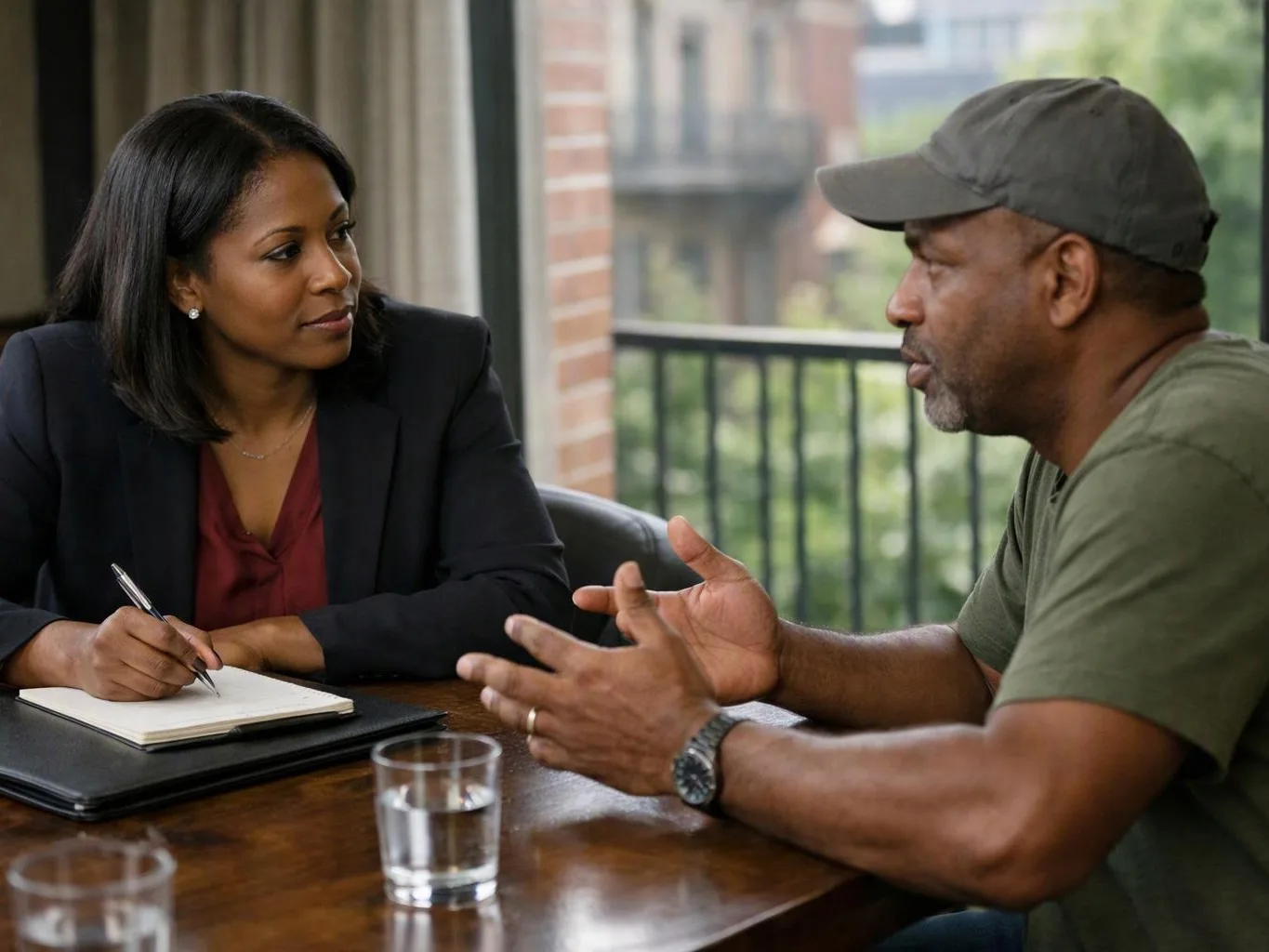
Two men sit at a table in a room, one in a suit pointing while the other listens beside a notebook and pen

Service Overview

Dangerous drug claims are legal claims that address injuries linked to unsafe drugs, harmful ingredients, missing warnings, or adverse reactions.

  • These claims focus on the drug and its warnings, while a car accident claim focuses on a crash and the conduct that caused it.
  • We handle this work for clients in East Point, Fulton County, Atlanta, and nearby Georgia communities.
Process

How we handle a dangerous drug claim

1

Identify the drug and injury

We record the drug name, prescription details, use history, symptoms, diagnosis, and treatment connected to the reported harm.

2

Gather medical and product records

Our team collects medical records, pharmacy information, product packaging, label details, and insurer communications that can support the claim.

3

Review warnings and ingredients

We examine unsafe ingredients, warning language, directions, and labeling failures that may relate to the adverse reaction.

4

Assess the legal options

We explain whether insurance negotiation, a demand letter, discovery, mediation, or litigation fits the available evidence.

5

Communicate with the insurer

When appropriate, we handle insurance communications and work toward fair compensation for documented losses.

How we approach dangerous drug claim decisions

Start with the product record

The first decision point is identifying the drug and the records tied to its use. We review labels, prescriptions, medical notes, and reported reactions before assessing the claim. This service is the wrong fit when no drug injury or product connection exists.

Connect symptoms to evidence

A symptom alone does not establish legal responsibility. Our team compares the reported reaction with treatment records, diagnosis notes, and the timing of care so the claim rests on documented facts.

Prepare for insurer review

Insurance companies may ask for records or statements about the injury. We organize the claim, explain the legal issues, and negotiate when the evidence supports a demand.

Use Georgia-focused legal guidance

Our Georgia-licensed legal professionals explain the claim in plain language and provide client-centered case communication throughout the matter.

What a focused drug injury review changes

A focused review separates a possible product claim from a general medical complaint.

Careful evidence gathering helps connect the drug, the reaction, and the documented injury.

Label review brings missing warnings and unsafe ingredients into the legal analysis.

Clients receive a clearer view of the next legal step before speaking with an insurer.

The process gives families a structured way to organize medical expenses, lost wages, and recovery needs.

What dangerous drug claims include for injured clients

Atlanta Auto Law provides comprehensive Dangerous Drug Claims in East Point. Here's what you get:

  • We investigate how the drug was prescribed, supplied, taken, and linked to the reported injury.
  • We gather medical records, prescription information, treatment notes, and other evidence tied to the claim.
  • We review the product label for warnings, directions, ingredient information, and possible labeling failures.
  • We assess reported adverse reactions and compare them with the documented medical course.
  • We handle insurance negotiation and prepare a demand letter when the evidence supports that step.
  • We pursue litigation when necessary after reviewing the claim, evidence, and legal options.

Which drug injury issue needs review?

The issue shown by the records helps determine which part of the claim deserves attention.

Claim issueWhat we reviewWhy it matters
Unsafe ingredientsIngredient information and product recordsThe ingredient may relate to the reported injury
Labeling failuresWarnings, directions, and medication guides—
Adverse reactionsSymptoms, diagnosis, treatment, and timingMedical evidence may connect the reaction to the drug

The Atlanta Auto Law Standard

  • Personalized Guidance
  • Evidence Investigation
  • Clear Communication
  • Client Advocacy

Questions about drug injury claims

What should be ready before a drug injury consultation?

Drug details and medical records give the first consultation a useful starting point. Bring the product container, prescription information, pharmacy records, treatment notes, medical bills, and insurer letters if available. A short timeline of when the drug was taken and when symptoms began can also help. Do not delay care while gathering documents.

How are unsafe ingredients reviewed in a claim?

Unsafe ingredients are reviewed through product information, label language, prescription records, and medical evidence. Our team compares the ingredient details with the reported reaction and treatment history. Packaging and pharmacy records can help identify the exact product used. The review does not treat every side effect as proof of legal responsibility.

Which records help show a labeling failure?

Product labels, medication guides, pharmacy instructions, and medical notes can help show a labeling failure. We compare the warning language with the risk the patient experienced. Earlier versions of packaging may matter when the label changed. Keep any original materials because they can help establish what information was provided.

Why should I speak with an attorney before an insurer?

An attorney can review the injury, records, and insurer request before you give a detailed statement. Insurance communications may affect how the claim is evaluated. Our team helps organize the facts and explains the legal issues in plain language. Clients still control decisions about medical care and whether to pursue a claim.

What should a customer ask before agreeing to legal help?

Ask what evidence the claim needs, how communication will work, and which legal steps may follow. You should also ask how the firm handles medical records, insurer contact, discovery, mediation, and litigation. Atlanta Auto Law explains the process during a free consultation. Clear questions help you understand the work before making a decision.

How does legal review differ from a medical diagnosis?

A medical diagnosis treats the patient's condition, while legal review examines responsibility and documented loss. Doctors assess symptoms and care needs. Our team reviews the drug, warnings, records, and insurer position. Both processes matter, but legal review does not replace medical care or advice from a treating provider.
Contact

Discuss dangerous drug claims in East Point

Schedule a consultation to review the drug, label, and injury records. Urgent requests get priority scheduling.

Car key, eyeglasses, and an appointment card rest on a folder on a wooden table by a window

The information on this website is for general informational purposes only and is not legal advice, does not create an attorney-client relationship, and may not reflect current law in Atlanta, Georgia, United States. Every situation is different; consult a licensed attorney about your specific matter. Prior results do not guarantee a similar outcome.

(678) 235-3870