Skip to content

Insurance Bad Faith Claims in Roswell, Georgia

Coverage dispute claims help prevent an unreasonable denial from blocking recovery in Roswell. We review the policy, claim handling, and losses tied to the dispute.

Upfront, Transparent PricingServing 66 CommunitiesMon-Sun: Open 24 hoursFast Scheduling

Quick Summary: insurance bad faith claims in Roswell, Georgia

Insurance Bad Faith Claims in Roswell are handled by Atlanta Auto Law for denied or unfairly handled insurance claims. The firm represents injured people across metro Atlanta and offers free consultations.

  • What we do: Atlanta Auto Law handles Insurance Bad Faith Claims in Roswell, Georgia, including claim denials, policy disputes, and unfair insurance handling.
  • What is included: claim file review, policy analysis, insurance negotiation, demand letters, and injury loss assessment.
  • What you get: The client receives a clear assessment of the coverage dispute and a defined path for pursuing available compensation.

Can I challenge an insurer that unreasonably denied my claim in Roswell, Georgia?

Yes, an unreasonable denial can support a challenge when the policy and claim facts support coverage. Atlanta Auto Law reviews the denial, policy terms, communications, and losses before advising on the next step.

Working With Our Team in Roswell

Insurance bad faith claims focus on what the insurer did after receiving a claim. A denied claim, unclear policy reading, or unreasonable delay can create a separate dispute alongside the underlying injury claim.

This page fits people hurt in car, truck, motorcycle, rideshare, pedestrian, or bicycle crashes. We review the policy, claim notices, medical records, wage losses, and insurer communications before setting a legal strategy.

The key decision is whether the available record supports a challenge to the insurer’s conduct. A policy review matters because coverage depends on the wording, exclusions, proof of loss, and facts tied to the accident.

  • Bring the denial letter and every message received from the insurer.
  • Keep the policy, claim number, medical records, bills, and wage-loss records together.
  • Ask whether the insurer’s decision matches the policy language and claim facts.
  • Separate the underlying injury claim from the dispute over claim handling.
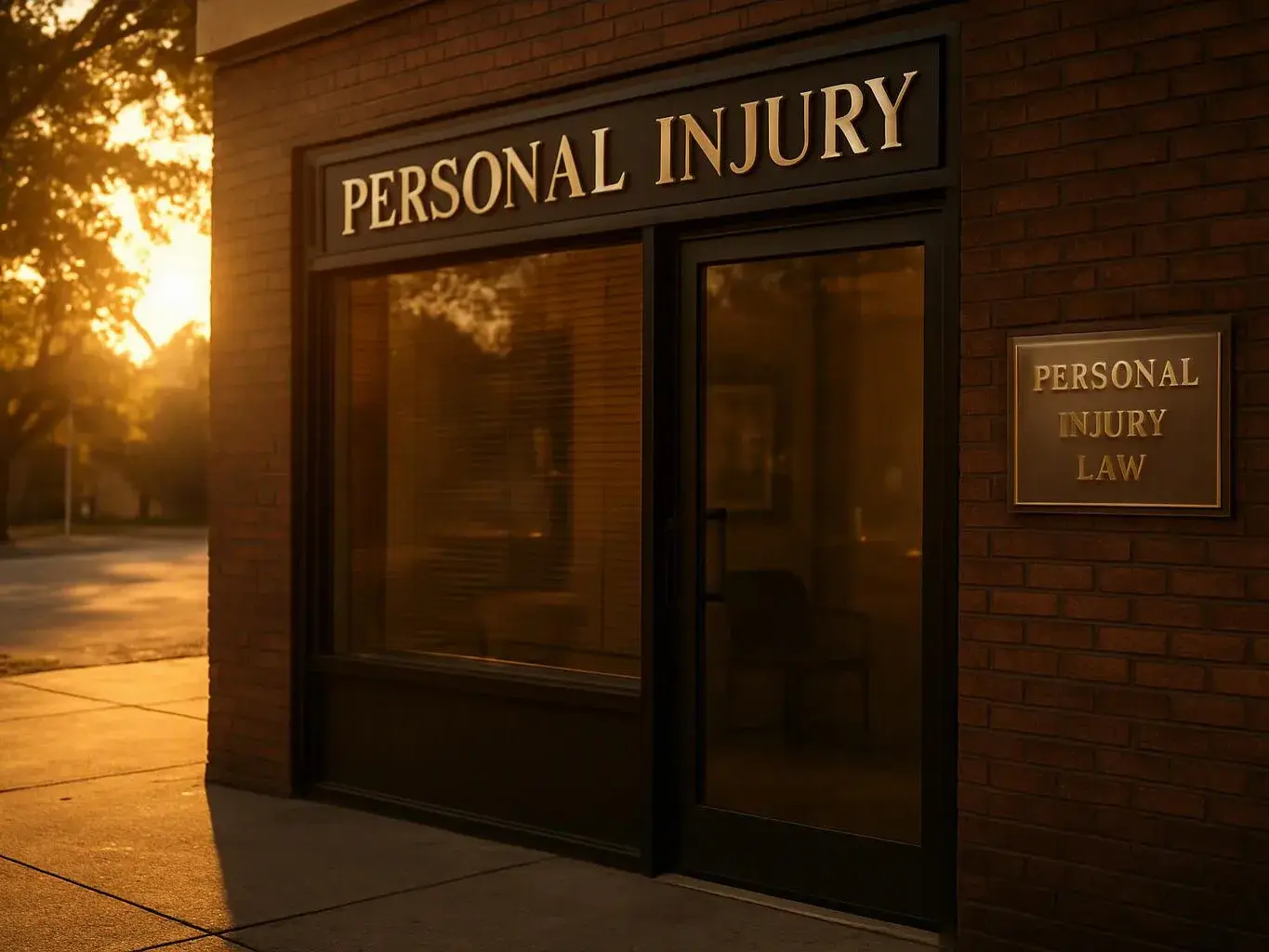
Brick office entrance with a glass door and signs reading "PERSONAL INJURY" and "PERSONAL INJURY LAW" at sunset

Service Overview

Insurance bad faith claims are legal claims that address an insurer’s unfair handling or denial of covered losses.

  • They differ from a basic accident claim because the dispute focuses on the insurer’s conduct and policy duties, not only the crash.
  • Atlanta Auto Law handles these claims for injured people in Roswell and throughout metro Atlanta.

What this coverage dispute work changes for you

A policy review shows which terms support or weaken the insurer’s position.

A documented claim record gives the dispute a clearer factual basis.

Separating coverage issues from injury losses helps protect the value of the underlying claim.

Written negotiation keeps the focus on policy duties, evidence, and documented harm.

Clients receive plain answers about the available path before choosing the next legal step.

What insurance bad faith claims include for your dispute

Atlanta Auto Law provides comprehensive Insurance Bad Faith Claims in Roswell. Here's what you get:

  • We review the insurance policy and the language used to deny or limit the claim.
  • We examine claim notices, adjuster messages, recorded statements, and other insurer communications.
  • We organize medical bills, lost wages, pain and suffering, and other accident-related losses.
  • We assess whether the insurer’s handling supports a demand, negotiation, or further legal action.
  • We prepare written communication that explains the claimed losses and the coverage position.
  • We guide the matter through negotiation, discovery, mediation, or trial when the case requires it.
Process

How Atlanta Auto Law handles the claim review

1

Review the accident and policy

We discuss the crash, injuries, insurance coverage, and claim history. The policy and declarations page provide the starting documents.

2

Examine the denial or delay

We compare the insurer’s reason with the policy language, claim notices, requests for proof, and communications in the claim file.

3

Document the accident losses

Medical bills, treatment records, lost wages, pain, and other losses show how the claim affects the injured person.

4

Choose the legal response

We may prepare a demand letter, negotiate with the insurer, or pursue discovery, mediation, and trial when the facts support those steps.

5

Explain the next decision

We give the client a clear view of the available path, the issues still in dispute, and the records needed for the next stage.

How we approach insurance bad faith disputes

Read the policy before arguing coverage

Policy language controls the starting point, so we compare exclusions, definitions, notices, and coverage terms with the claim facts. This service is the wrong fit when the issue involves no insurance dispute or no accident-related loss.

Build the claim record

A denial letter rarely tells the whole story. We gather the claim file, medical proof, wage records, and communications so the insurer’s position can be tested against the full record.

Keep injury losses in view

Medical care, lost wages, pain, and lasting harm can shape the value of the underlying claim. We track those losses while examining the separate coverage dispute.

How claim handling issues differ

These claim issues require different records and different questions during legal review.

Claim issueWhat we examineUseful records
Claim denialThe stated reason and policy termsDenial letter, policy, and claim file
Policy language disputeDefinitions, exclusions, and coverage dutiesFull policy and declarations page
Unreasonable delayRequests, updates, payment decisions, and lossesClaim messages, bills, and wage records

The Atlanta Auto Law Standard

  • Clear Guidance
  • Individual Evaluation
  • Claims Investigation
  • Compassionate Support

Questions about denied and delayed insurance claims

Can I challenge an insurer that unreasonably denied my claim?

Coverage dispute claims can challenge an unreasonable denial when the policy and facts support coverage. Atlanta Auto Law reviews the denial letter, policy language, claim file, and documented losses. The review also separates the insurer’s conduct from the underlying injury claim. That distinction helps identify the legal issues before negotiation or litigation begins.

What documents should I bring to the first consultation?

The most useful records are the policy, denial letter, claim messages, medical bills, and wage-loss documents. Bring the accident report and treatment records if you have them. A complete file helps us compare the insurer’s position with the policy and the actual harm. Keep original records and provide copies for review.

How does a coverage dispute move from the first call to the last step?

The process starts with an intake and policy review, then moves through claim analysis, loss documentation, and a legal response. We may send a demand letter and negotiate with the insurer. If the dispute continues, discovery, mediation, or trial may follow. Each step depends on the record and the client’s goals.

Which part of the claim decides the legal scope?

The policy language and the insurer’s handling usually define the legal scope. Exclusions, notice terms, coverage definitions, and the stated denial reason receive close review. The underlying accident still matters because medical bills, lost wages, and pain can shape the losses at issue. The claim file connects those parts.

Which record changes the time needed for review?

The claim file often changes the time needed for review because missing letters or policy pages can hide the dispute’s key facts. A complete denial letter, policy, medical record set, and communication history gives us a stronger starting record. New insurer requests or unresolved coverage terms can add legal work.

Why does an insurer ask for more proof after a claim is filed?

An insurer may request more proof to evaluate coverage, fault, injury, or the amount of loss. The request does not decide whether the claim is valid. We review what the insurer asked for, what was provided, and whether the request matches the policy and claim facts. Keep copies of every submission.

What does a personal injury attorney handle besides insurer negotiation?

A personal injury attorney can investigate the accident, document losses, review policy duties, and prepare the case for litigation. Atlanta Auto Law handles car, truck, motorcycle, rideshare, pedestrian, and bicycle injury matters. We also address medical bills, lost wages, pain, and suffering as part of the injury claim.
Contact

Discuss insurance bad faith claims in Roswell

Schedule a free consultation with Atlanta Auto Law, and urgent requests get priority scheduling.

ZIP Codes We Serve in Roswell, Georgia

300753007630077

Insurance Bad Faith Claims in Other Areas

The information on this website is for general informational purposes only and is not legal advice, does not create an attorney-client relationship, and may not reflect current law in Atlanta, Georgia, United States. Every situation is different; consult a licensed attorney about your specific matter. Prior results do not guarantee a similar outcome.

(678) 235-3870