Skip to content

Nursing Home Abuse Claims in Downtown Atlanta, GA

Staff reports guide our first review for families in Downtown Atlanta. We compare those reports with care records, witness statements, and facility footage.

Upfront, Transparent PricingServing 6 CommunitiesMon-Sun: Open 24 hoursFast Scheduling

Quick Summary: Nursing home abuse claims in Downtown Atlanta, GA

Nursing Home Abuse Claims in Downtown Atlanta are handled by Atlanta Auto Law for residents and families across metro Atlanta. The work covers evidence review, investigation, and pursuit of compensation for injury-related losses, with free consultations available.

  • What we do: Atlanta Auto Law reviews nursing home abuse claims in Downtown Atlanta using staff reports, care records, witness statements, and facility footage.
  • What is included: Evidence review, record gathering, witness interviews, insurance negotiation, demand letters, mediation, and trial preparation support these claims.
  • What you get: The client receives a clear assessment of the evidence and the legal options for pursuing compensation.

What evidence supports a nursing home abuse claim in Downtown Atlanta, GA?

Staff reports, care records, witness statements, and facility footage can support a nursing home abuse claim. The strength of each item depends on what it records, when it was created, and how it connects to the injury or neglect. A careful review also looks for gaps, changes in entries, and records that tell a different part of the story.

Local Expertise in Downtown Atlanta

Nursing home abuse claims focus on harm to a resident and the records that explain what happened. The work may involve staff reports, care records, witness statements, and facility footage.

Our team helps families decide whether the available evidence supports a legal claim. We also look at medical expenses, pain and suffering, and other losses tied to the reported harm.

The local question is often practical. Families need to know which records to request, which accounts to preserve, and whether the facility's response matches the resident's condition. We organize those facts before discussing insurance negotiation, mediation, or trial.

  • Identify the reported conduct and the resident's resulting harm.
  • Preserve care records, staff reports, and related messages.
  • Compare witness statements with medical and facility records.
  • Check whether facility footage still exists.
  • Assess medical expenses, lost wages, pain, and other losses.
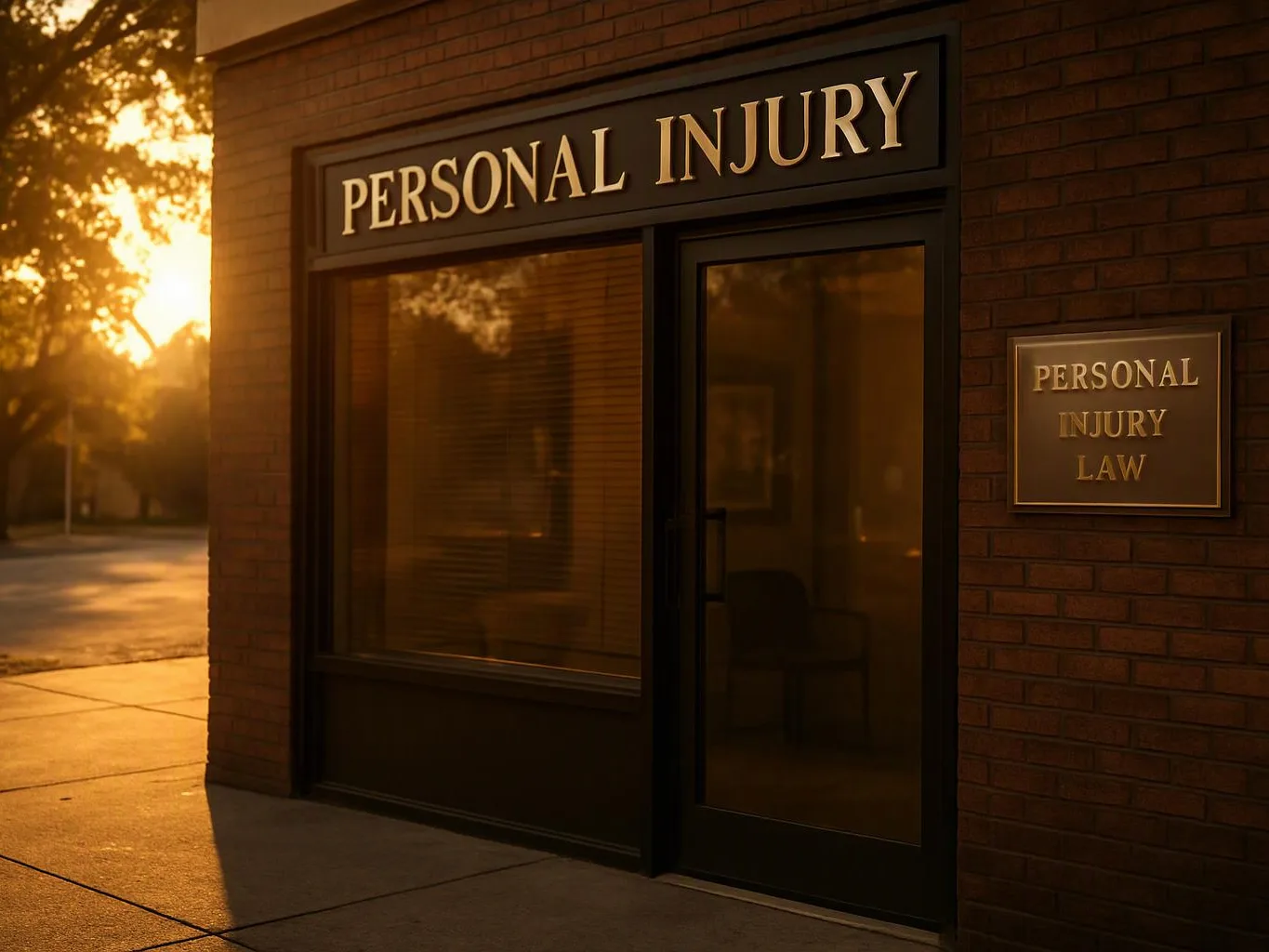
Sunlit brick storefront with a glass door and signs reading “PERSONAL INJURY” and “PERSONAL INJURY LAW”

Service Overview

Nursing home abuse claims are legal cases that seek accountability and compensation for harm caused by abuse or neglect in a care facility.

  • These claims differ from car accident claims because the evidence often centers on care records, staff conduct, and facility oversight.
  • Atlanta Auto Law handles these claims for families in Downtown Atlanta and across metro Atlanta.

What nursing home abuse claims include

Atlanta Auto Law provides comprehensive Nursing Home Abuse Claims in Downtown Atlanta. Here's what you get:

  • We review staff reports and other records that describe the reported incident.
  • We examine care records for changes in treatment, medication, injuries, and follow-up care.
  • We gather witness statements from people who observed the resident's condition or the facility's conduct.
  • We assess facility footage when it is available and relevant to the claim.
  • We handle insurance negotiation, mediation, and trial preparation when the case calls for those steps.
  • We explain how medical expenses, lost wages, pain, and suffering may relate to the claim.

What this evidence review changes for families

A focused record review separates a documented concern from an assumption about what happened.

Medical records can connect the reported conduct to an injury or change in condition.

Witness accounts add context when a written entry leaves out key events.

Early evidence preservation can matter when facility footage or digital records are subject to routine deletion.

Families receive a clearer basis for deciding whether to pursue negotiation, mediation, or litigation.

How we approach nursing home abuse evidence

Match reports to care records

Staff reports need context. We compare them with care records, medical notes, and witness accounts to test whether the facts support a claim. This service is the wrong fit when no injury, neglect, abuse, or related loss connects the concern to legal harm.

Preserve time-sensitive footage

Facility footage may show conduct that written records do not capture. We identify relevant footage and consider how it fits with the other evidence before relying on it.

Explain the legal path

Each case has different facts and risks. We explain the possible role of a demand letter, insurance negotiation, discovery, mediation, or trial so families can make an informed choice.

Process

How we build a nursing home abuse claim

1

Record the reported conduct

We begin with the resident's condition, the reported conduct, staff reports, and the family's account. The intake identifies which facts need support.

2

Gather care records

We review medical records, care notes, medication records, and related documents. These materials help connect the reported event with an injury or change in condition.

3

Preserve witness accounts

We identify people who saw the resident, the facility's conduct, or the response after an incident. Their statements can clarify gaps in written records.

4

Check facility footage

We consider whether camera footage or other facility records could show the event. We compare those materials with staff reports and care records.

5

Choose the legal path

We explain whether the facts support a demand letter, insurance negotiation, discovery, mediation, or trial. The choice depends on the evidence and the client's goals.

Evidence types used in nursing home abuse claims

Each evidence type answers a different question about the reported conduct and the resident's harm.

Evidence typeWhat it may showHow we use it
Staff reportsWhat staff recorded about the event or responseWe compare the report with medical and care records
Care recordsChanges in treatment, medication, injuries, or conditionWe assess whether the records support the claimed harm
Witness statementsWhat a person directly saw or heardWe test the account against other evidence
Facility footageConduct, timing, movement, or the response after an eventWe preserve and compare relevant footage when available

The Atlanta Auto Law Standard

  • Clear Guidance
  • Individual Evaluation
  • Claims Investigation
  • Compassionate Support

Questions families ask about nursing home abuse claims

What evidence supports a nursing home abuse claim?

Staff reports can support a claim when they match care records, witness statements, or facility footage. The review also checks who made each record and when. Medical records may connect the reported conduct to an injury or change in condition. Families should keep original messages, notes, photographs, and documents for review.

What does the first evidence review look at?

The first evidence review looks at the reported conduct, the resident's condition, and the records created afterward. We compare staff reports with care notes and medical records. Missing entries, late entries, and changes in treatment can affect the next step. A free consultation gives families a place to organize these facts.

What should be checked before a claim is scheduled?

The claim should be checked for a reported injury, supporting records, witnesses, and a connection between the conduct and the harm. Facility footage also matters if it could show the event. We review those points before discussing a demand letter, insurance negotiation, mediation, or trial.

Who is a good fit for this type of claim?

Atlanta Auto Law handles claims for residents and families who suspect abuse, neglect, or related injury in a nursing facility. The available evidence should connect the concern with harm or loss. A different service may fit a matter involving only a contract dispute, estate issue, or unrelated care complaint.

How do care records help prove abuse or neglect?

Care records help show what staff knew, what care they recorded, and how the resident's condition changed. We compare entries with medical notes, staff reports, and witness statements. A gap or late entry does not decide a case by itself, but it can guide deeper investigation.

Which witnesses can support a nursing home abuse claim?

Witnesses who saw the resident, the reported conduct, or the facility's response can support a claim. Family members, visitors, staff, and other residents may provide useful accounts. We assess what each person directly observed and compare that account with written records and facility footage.

When should a family preserve facility footage?

Families should request preservation when footage could show the reported conduct, the resident's condition, or the facility's response. We identify the relevant time, location, and event before assessing the footage. The request should be kept with other records so the evidence trail remains clear.
Contact

Discuss nursing home abuse claims in Downtown Atlanta

Start with an evidence review and free consultation; urgent requests get priority scheduling.

Nursing Home Abuse Claims in Other Areas

The information on this website is for general informational purposes only and is not legal advice, does not create an attorney-client relationship, and may not reflect current law in Atlanta, Georgia, United States. Every situation is different; consult a licensed attorney about your specific matter. Prior results do not guarantee a similar outcome.

(678) 235-3870