Skip to content

Rideshare Accident Claims in Downtown Atlanta, GA

Reviewing commercial coverage after a rideshare collision helps clarify which insurance policy may apply in Downtown Atlanta. We explain the claim path in plain language.

Upfront, Transparent PricingServing 6 CommunitiesMon-Sun: Open 24 hoursFast Scheduling

Quick Summary: rideshare collision claims in Downtown Atlanta, GA

Rideshare Accident Claims in Downtown Atlanta are handled by Atlanta Auto Law for injured drivers, passengers, pedestrians, and cyclists. The work covers insurance review, medical expenses, lost wages, pain and suffering, and other accident-related losses throughout metro Atlanta.

  • What we do: Atlanta Auto Law handles Rideshare Accident Claims for injured people in Downtown Atlanta, GA, including insurance review and claim preparation.
  • What is included: Commercial coverage review, personal policy analysis, uninsured and underinsured coverage review, and insurance negotiation.
  • What you get: Rideshare Accident Claims in Downtown Atlanta clarify the available insurance and the losses included in the injury claim.

Why does rideshare insurance keep delaying my accident claim?

Rideshare claims may stall when the driver’s app status, policy terms, fault evidence, or medical records remain unclear. Atlanta Auto Law reviews those records and addresses the insurance issues tied to the collision.

Rideshare accident claims for Downtown Atlanta injury victims

Rideshare accident claims focus on the insurance and losses tied to a collision involving a driver using a rideshare platform. The injured person may be a passenger, driver, pedestrian, cyclist, or another motorist.

The key decision is often which policy responds to the crash. We review the driver’s personal policy, commercial coverage, uninsured coverage, underinsured coverage, and platform policy when those policies relate to the collision.

A claim can include medical expenses, lost wages, pain and suffering, and other accident-related losses. We gather police and medical records, assess the available evidence, and handle insurance negotiation when representation fits the case.

This service fits injury claims connected to rideshare use. A separate service may fit a case focused on property damage alone, DUI defense, workers compensation, or a dispute unrelated to the collision.

  • Confirm whether the crash involved a rideshare driver, passenger, or another road user.
  • Review the driver’s app status and the insurance policies connected to the trip.
  • Collect police records, medical records, wage information, and other loss documents.
  • Assess whether uninsured or underinsured coverage may affect the claim.
  • Explain the available claim path before insurance negotiations begin.
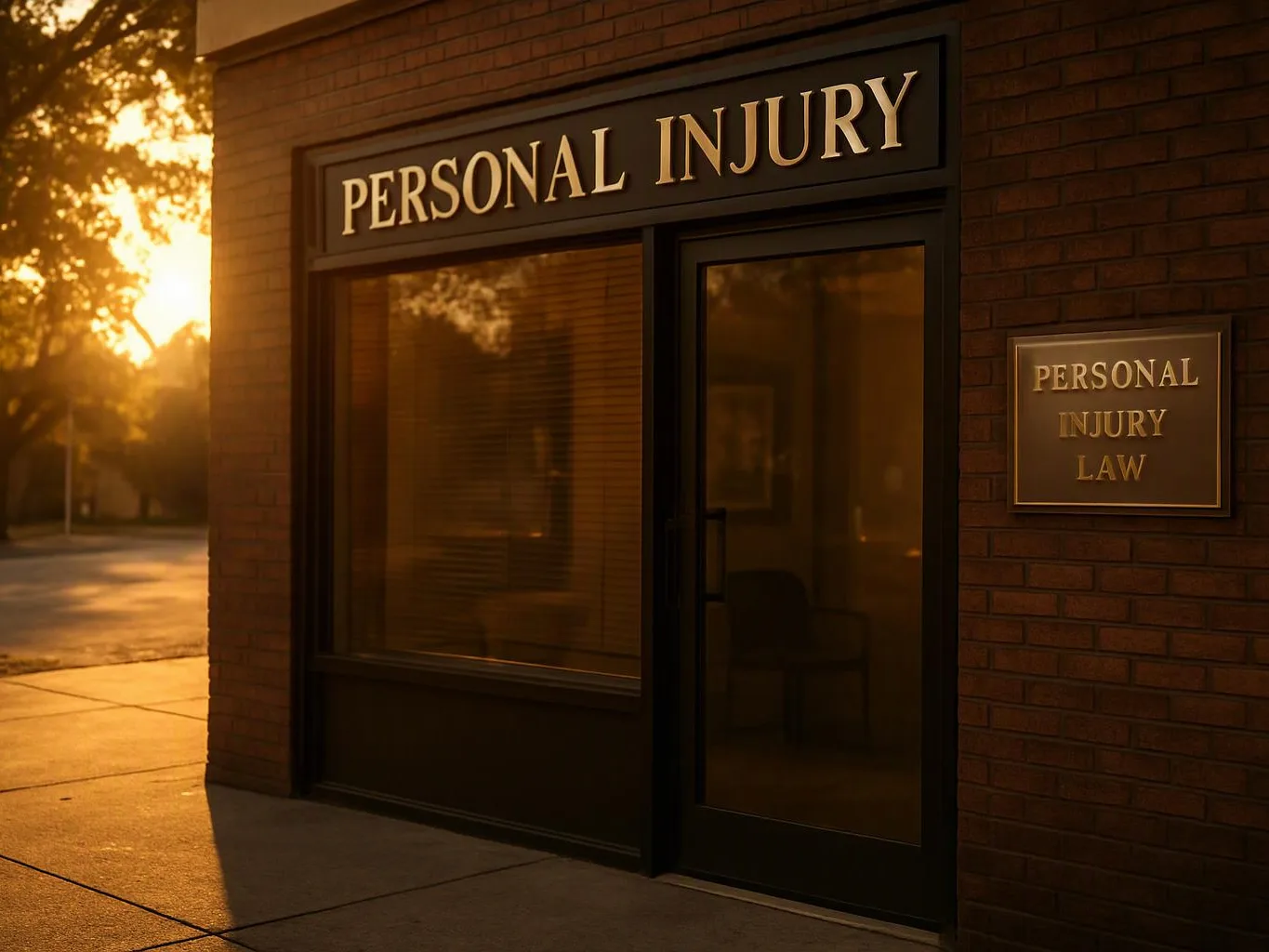
Sunlit brick storefront with a glass door and signs reading “PERSONAL INJURY” and “PERSONAL INJURY LAW”

Service Overview

Rideshare Accident Claims are injury claims that seek compensation after a collision involving a rideshare driver, passenger, or other road user.

  • These claims differ from ordinary car accident claims because more than one insurance policy may apply to the driver’s work period and the crash.
  • Atlanta Auto Law handles these claims in Downtown Atlanta and throughout metro Atlanta.

What rideshare collision claims include

Atlanta Auto Law provides comprehensive Rideshare Accident Claims in Downtown Atlanta. Here's what you get:

  • We review the crash facts and identify the people and vehicles involved.
  • We examine the personal policy, commercial coverage, uninsured coverage, underinsured coverage, and platform policy tied to the collision.
  • We gather police records, medical records, wage information, and other evidence that supports accident-related losses.
  • We assess claims for medical expenses, lost wages, pain and suffering, and other losses.
  • We handle insurance negotiation and explain settlement distribution when a claim resolves.
  • We provide personal attention from an experienced attorney throughout the case.

What this review changes for your claim

A policy review helps separate the insurance issues from the medical and financial losses.

Early record gathering gives the claim a clearer factual foundation.

A focused review helps identify whether uninsured or underinsured coverage matters.

You receive plain-language guidance about your options under Georgia law.

Injured passengers and other road users can address the claim without handling every insurance question alone.

How we approach rideshare injury claims

Policy status at the crash

The driver’s app status and trip activity can affect which policy is reviewed first. We examine that issue as part of the claim assessment.

Evidence before negotiation

Police records, medical records, wage information, and crash details support the claim before we negotiate with an insurer.

A clear fit decision

This service fits injury claims tied to a rideshare collision. It is the wrong service for a stand-alone contract dispute, DUI defense matter, or unrelated property issue.

Process

How we handle a rideshare injury claim

1

Review the collision details

We discuss the crash, the people involved, the trip status, reported injuries, and the immediate records available.

2

Identify the insurance policies

We examine the personal policy, commercial coverage, uninsured coverage, underinsured coverage, and platform policy connected to the facts.

3

Gather claim evidence

We collect police records, medical records, wage information, and other documents that support the injury and related losses.

4

Assess the losses

We review medical expenses, lost wages, pain and suffering, and other accident-related losses.

5

Handle the claim

We communicate with insurers, negotiate when appropriate, and explain settlement distribution if the claim resolves.

Insurance policies reviewed after a rideshare crash

The policy review compares the insurance sources that may connect to the driver, trip, or other vehicle.

Insurance sourceWhat the review examinesWhy it matters
Personal policyThe driver’s personal auto insurance and policy termsIt may affect the claim depending on the driver’s activity and coverage
Uninsured coverageWhether the responsible driver lacked insuranceIt may address injury losses when no responsible-driver coverage is available
Underinsured coverageWhether available liability coverage is insufficient for the injury lossesIt may matter when the responsible driver has insurance but not enough coverage
Platform policyThe rideshare platform’s policy and the driver’s trip statusIt may connect the collision to coverage maintained for rideshare activity

The Atlanta Auto Law Standard

  • Clear Guidance
  • Individual Evaluation
  • Claims Investigation
  • Compassionate Support

Questions about rideshare collision claims

What insurance may apply after a rideshare collision?

Commercial coverage may apply after a rideshare collision, but the personal policy, uninsured coverage, underinsured coverage, and platform policy also require review. The driver’s app status, trip activity, fault evidence, and policy terms help identify the available coverage. Atlanta Auto Law reviews those details before addressing the injury claim.

Who is a good fit for rideshare accident claims?

Atlanta Auto Law handles injury claims for rideshare passengers, drivers, pedestrians, cyclists, and other motorists. The service fits people whose injuries connect to a rideshare collision. A separate legal service may fit a stand-alone property dispute, DUI defense matter, or case unrelated to personal injury.

What happens at each stage of a rideshare claim?

The claim moves from crash review to coverage analysis, evidence gathering, loss assessment, and insurance negotiation. We first discuss the collision and injuries, then review policies and records. Medical expenses, lost wages, pain and suffering, and other losses are assessed before we explain the available claim path.

What does the legal team look at first after a rideshare crash?

The first review covers the collision facts, reported injuries, driver activity, and available insurance information. Police records and medical records help establish the basic claim facts. We also check whether uninsured or underinsured coverage could affect the options available to the injured person.

Which documents should I bring to a consultation?

Police records, medical records, insurance information, wage records, and collision details are useful at the first consultation. Bring photographs, messages, trip information, and other records tied to the crash if you have them. Atlanta Auto Law can explain which documents matter most after reviewing the basic facts.

Can a claim start before medical treatment ends?

Yes, a claim can begin before medical treatment ends, but the injury record must continue to develop. Medical care, diagnosis, bills, and treatment notes help document the losses. We review the current records and explain how ongoing treatment may affect the claim assessment.

How does a contingency fee work for this service?

A contingency fee means clients pay no fees unless Atlanta Auto Law wins the case. The fee arrangement is discussed during the consultation before representation begins. Case costs and settlement distribution are also explained so the client understands the financial terms.
Contact

Discuss your rideshare collision claim in Downtown Atlanta

Schedule a consultation to receive a focused review of the crash, available coverage, and documented losses; urgent requests get priority scheduling.

Rideshare Accident Claims in Other Areas

The information on this website is for general informational purposes only and is not legal advice, does not create an attorney-client relationship, and may not reflect current law in Atlanta, Georgia, United States. Every situation is different; consult a licensed attorney about your specific matter. Prior results do not guarantee a similar outcome.

(678) 235-3870