Skip to content

Truck Accident Claims in Fayetteville, Georgia

Maintenance neglect can breach basic truck safety duties in Fayetteville. We examine service records, brake concerns, cargo limits, and driver hours.

Licensed & InsuredUpfront, Transparent PricingServing 55 CommunitiesMon-Sun: Open 24 hours

Quick Summary: truck accident claims in Fayetteville, Georgia

Truck Accident Claims in Fayetteville are handled by Atlanta Auto Law for people hurt in commercial truck collisions. The work covers accident investigation, evidence gathering, insurance negotiation, and litigation when needed across Atlanta, Fulton County, and nearby Georgia communities.

  • What we do: Atlanta Auto Law handles Truck Accident Claims for injured people in Fayetteville, Georgia, including evidence review and insurance negotiation.
  • What is included: Key capabilities include accident investigation, police and medical record review, insurance negotiation, demand letters, and litigation when needed.
  • What you get: The customer receives a prepared injury claim that accounts for documented losses and the facts of the truck collision.

What trucking violations can support my accident claim?

Maintenance neglect, hours violations, brake failures, and overloaded cargo can support a truck accident claim when records connect them to the crash.

Truck Accident Claims in Fayetteville for maintenance and safety violations

Truck accident claims focus on how the collision happened and which losses followed. This page helps injured people assess whether a trucking violation deserves closer review, especially when a carrier's records raise questions about safety work or cargo handling.

Customers don't need to prove every possible violation before seeking advice. We review the available facts, including the crash report, medical records, photographs, witness details, and insurance communications. The decision is whether the evidence supports a claim and what further records should be requested.

This work fits people hurt in truck collisions, as well as families dealing with serious injury costs. It isn't the right service for a dispute unrelated to a collision or personal injury.

  • Identify the truck, carrier, driver, and available crash records.
  • Preserve photographs, medical records, wage information, and insurance letters.
  • Ask whether maintenance, driver hours, brakes, or cargo weight relate to the crash.
  • Separate vehicle damage from bodily injury losses.
  • Review the claim before signing an insurance release.
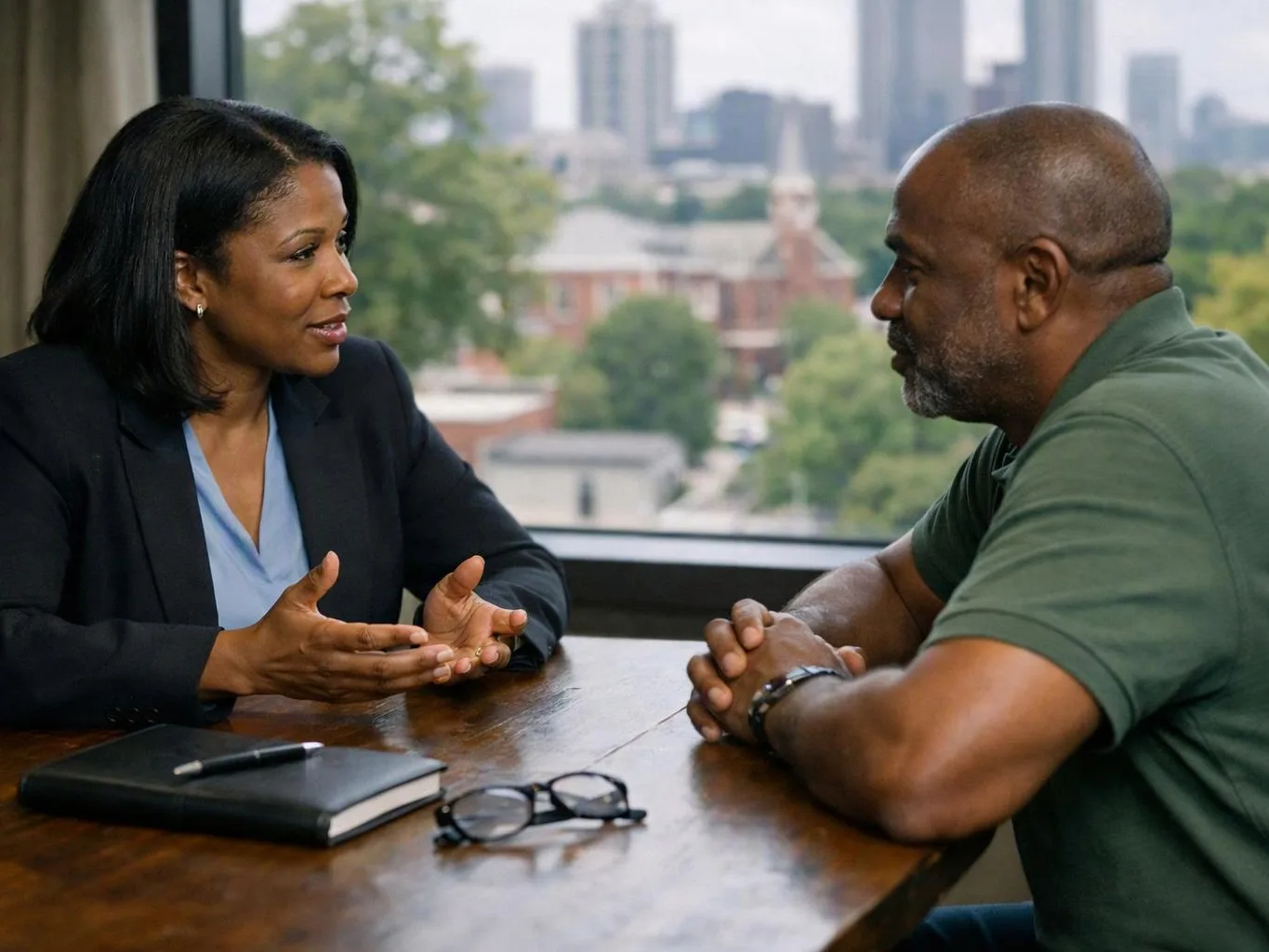
A woman in a blazer talks with a man across a table beside a city window

Service Overview

Truck Accident Claims are legal actions that seek compensation after a commercial truck collision causes injury or loss.

  • These claims differ from ordinary car accident claims because carrier records, driver logs, cargo details, and maintenance records may matter.
  • Atlanta Auto Law handles these claims for people in Fayetteville and nearby Georgia communities.

What truck collision claim support includes

Atlanta Auto Law provides comprehensive Truck Accident Claims in Fayetteville. Here's what you get:

  • We investigate the collision and organize the facts that support the injury claim.
  • We gather available police records, medical records, photographs, witness details, and insurance documents.
  • We examine maintenance concerns, driver hours, brake failures, and cargo information when those facts relate to the crash.
  • We explain how medical expenses, lost wages, vehicle damage, and long-term recovery needs fit the claim.
  • We negotiate with insurance companies and prepare a demand letter when the evidence supports one.
  • We pursue litigation when negotiation does not resolve the claim.

What this review changes for injured people

A focused records review can show whether a trucking safety issue belongs in the claim.

Medical bills and lost wages receive attention alongside vehicle damage.

The claim has a clearer factual basis before you respond to an insurer.

Families receive legal guidance while they manage treatment and recovery needs.

Clients can understand the next legal step without sorting through carrier records alone.

A situation this service fits

A driver in Fayetteville could face medical bills after a commercial truck collision while the carrier controls key records. We would review the crash report and available treatment records, then seek relevant maintenance, hours, brake, or cargo information tied to the event.

How we approach a truck collision claim

Records before conclusions

Customers receive a review of crash reports, medical records, insurance letters, and available carrier material before we draw conclusions. The wrong fit is a matter with no truck collision or personal injury issue.

Georgia-focused legal guidance

Our Georgia-licensed legal professionals explain claim choices in plain language. Client-centered case communication keeps the discussion tied to the facts, losses, and next decision.

Claim preparation for negotiation

We organize evidence and losses before discussing the claim with an insurer. A demand letter can set out the injury facts, treatment, expenses, and requested compensation when the record supports it.

Process

How we build a truck collision claim

1

Take the initial collision account

We learn what happened, identify the truck and carrier, and note the injuries, treatment, property damage, and insurance contact.

2

Gather crash and medical records

We collect available police records, medical records, photographs, witness details, wage information, and insurance documents.

3

Check trucking safety records

We examine maintenance concerns, driver hours, brake information, and cargo details when those facts may connect to the collision.

4

Prepare the claim position

We organize the evidence and losses, then explain the claim position before insurance negotiation or a demand letter.

5

Pursue negotiation or litigation

We negotiate with the insurer and pursue litigation when the claim needs court action.

Truck claim issues and records to review

These claim issues call for different records and different questions during the legal review.

Claim issueRecords to examineQuestion for the claim
Maintenance neglectService, inspection, and repair recordsDid a truck condition relate to the collision?
Hours violationsDriver logs and carrier recordsCould driver hours relate to fatigue or control?
Brake failuresPhotographs, inspection details, and repair recordsDid a brake issue affect stopping or impact?
Overloaded cargoCargo details, photographs, and witness accountsDid the load affect handling or the crash?

The Atlanta Auto Law Standard

  • Personalized Guidance
  • Evidence Investigation
  • Clear Communication
  • Client Advocacy

Questions about truck collision claims

How does a claim move from the first call to the last step?

The claim moves from intake to record review, evidence gathering, insurance negotiation, and litigation when needed.

  • We take the collision account and identify the parties.
  • We gather police, medical, wage, and insurance records.
  • We review trucking details tied to the crash.
  • We prepare the claim and discuss negotiation or court action.

Clients receive explanations as the case moves between these steps.

Which part of the trucking record can change the claim review?

Maintenance records can change the review when they show a brake, tire, steering, or inspection issue tied to the collision.

Driver logs and cargo records can add different questions. Our team compares each record with the crash facts instead of treating every record issue as proof of fault. The injury records still must show the losses connected to the collision.

When should I speak with a personal injury attorney after a truck crash?

A consultation makes sense soon after a truck crash when you have injuries, ongoing treatment, lost wages, or insurer contact.

Early records can matter because carrier documents and vehicle evidence may become harder to obtain later. Bring the crash report, photographs, medical information, wage records, and insurance letters if you have them. You don't need a finished treatment plan to ask about your options.

How can I tell whether this service fits my case?

This service fits when a commercial truck collision caused personal injury, financial loss, or both.

The matter may involve a tractor-trailer, delivery truck, or another commercial vehicle. We assess the collision facts, medical records, lost wages, property damage, and insurance communications. A claim unrelated to a truck collision or personal injury needs a different type of legal service.

What documents should I bring to a first consultation?

The most useful documents include the crash report, medical records, photographs, insurance letters, wage information, and vehicle damage details.

A client can also bring truck or carrier information, witness contacts, and messages about the collision. Missing documents don't prevent a consultation. We can explain which records matter and what should be requested next.

Can I pursue compensation for medical bills and lost wages?

A personal injury claim can include documented medical bills and lost wages when the collision caused those losses.

Treatment records help connect care to the crash. Pay records and employer information help show lost income. We also review vehicle damage and long-term recovery needs, then present the losses to the insurer or court when supported by the evidence.
Contact

Schedule a consultation about your truck collision claim

Schedule a consultation with Atlanta Auto Law to discuss the collision and your records. Urgent requests get priority scheduling.

Two people sit across a table, talking beside a notepad, pen, coffee mug, and eyeglasses by a window

ZIP Codes We Serve in Fayetteville, Georgia

3021430215

The information on this website is for general informational purposes only and is not legal advice, does not create an attorney-client relationship, and may not reflect current law in Atlanta, Georgia, United States. Every situation is different; consult a licensed attorney about your specific matter. Prior results do not guarantee a similar outcome.

(678) 235-3870