
What Is Shoulder Dystocia?
Shoulder Dystocia is a childbirth complication in which a baby’s shoulder becomes lodged behind the birthing parent’s pelvic bone after the head delivers. The obstruction can delay delivery and may require specific medical maneuvers. The event can cause injuries to the baby or birthing parent, depending on the circumstances and care provided.
Quick Facts About Shoulder Dystocia
Category
Childbirth complication
Used for
Birth injury claim analysis
Common confusion
Not every difficult delivery involves shoulder dystocia
Also called
Impacted shoulders
Often discussed with
Birth Injury Claims
Key Takeaways About Shoulder Dystocia
- The baby’s shoulder becomes lodged after the head delivers.
- Delivery records can show the maneuvers and care provided.
- Shoulder dystocia is not the same as ordinary difficult labor.
How Shoulder Dystocia Works
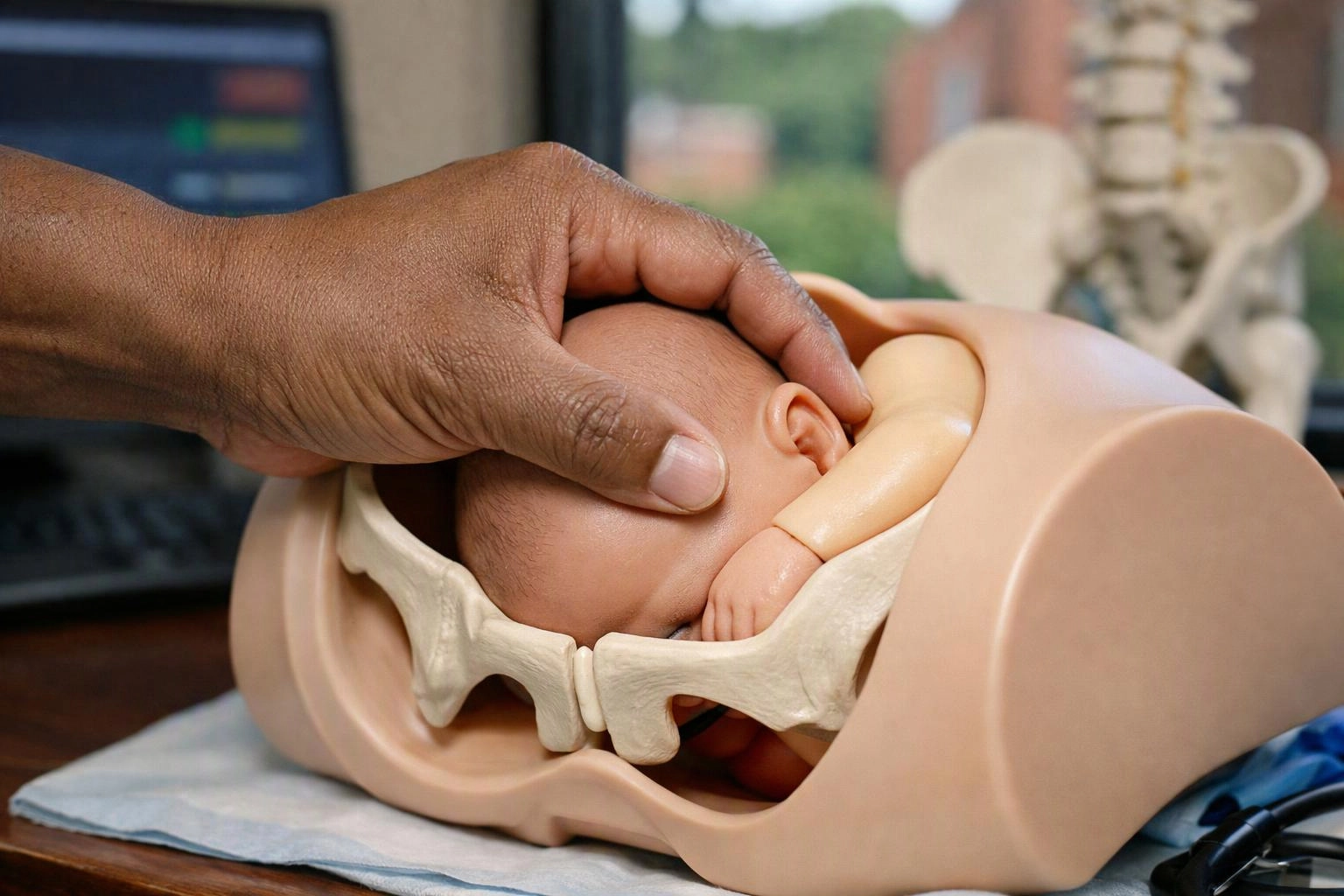
Shoulder dystocia occurs when the baby’s shoulder remains caught behind the birthing parent’s pelvic bone after the head has delivered. The obstruction prevents the body from following normally. Medical staff may document the position of the baby, the sequence of maneuvers, and the baby’s condition after delivery.
Related glossary terms: Medical Records, Expert Witness, Proximate Cause.
The event can place pressure on the baby’s nerves, bones, or oxygen supply. It can also cause injuries to the birthing parent. A birth injury review examines the delivery record, fetal monitoring, staff responses, and later medical findings. Brachial plexus injury is one related condition that may appear in the records, although shoulder dystocia does not automatically prove that medical negligence occurred.

From the Atlanta Auto Law team
When we review a shoulder dystocia claim, we compare the delivery notes with fetal monitoring, newborn examinations, and follow-up records. We look at the sequence of events and the medical decisions documented at each stage. Our review also separates the complication itself from evidence of negligent care.
Shoulder Dystocia in Practice: A Real-World Example
A delivery record may state that the baby’s head delivered, but the shoulders did not follow normally. The record may also describe the maneuvers used and later findings involving the baby’s arm movement.
Related Services
Related Terms
Medical Records
Medical Records are written, electronic, or recorded details about a patient’s care, condition, testing, treatment, and…
Expert Witness
An Expert Witness is a qualified professional who explains specialized knowledge to help evaluate disputed facts…
Proximate Cause
Proximate Cause is the legal connection between a person’s conduct and an injury that makes the…
Damages
Damages are the monetary losses and nonfinancial harms that a person or family may seek in…
Atlanta Auto Law
Have Questions About Shoulder Dystocia?
Contact Atlanta Auto Law for practical guidance on Shoulder Dystocia and related personal injury attorney work in Atlanta.