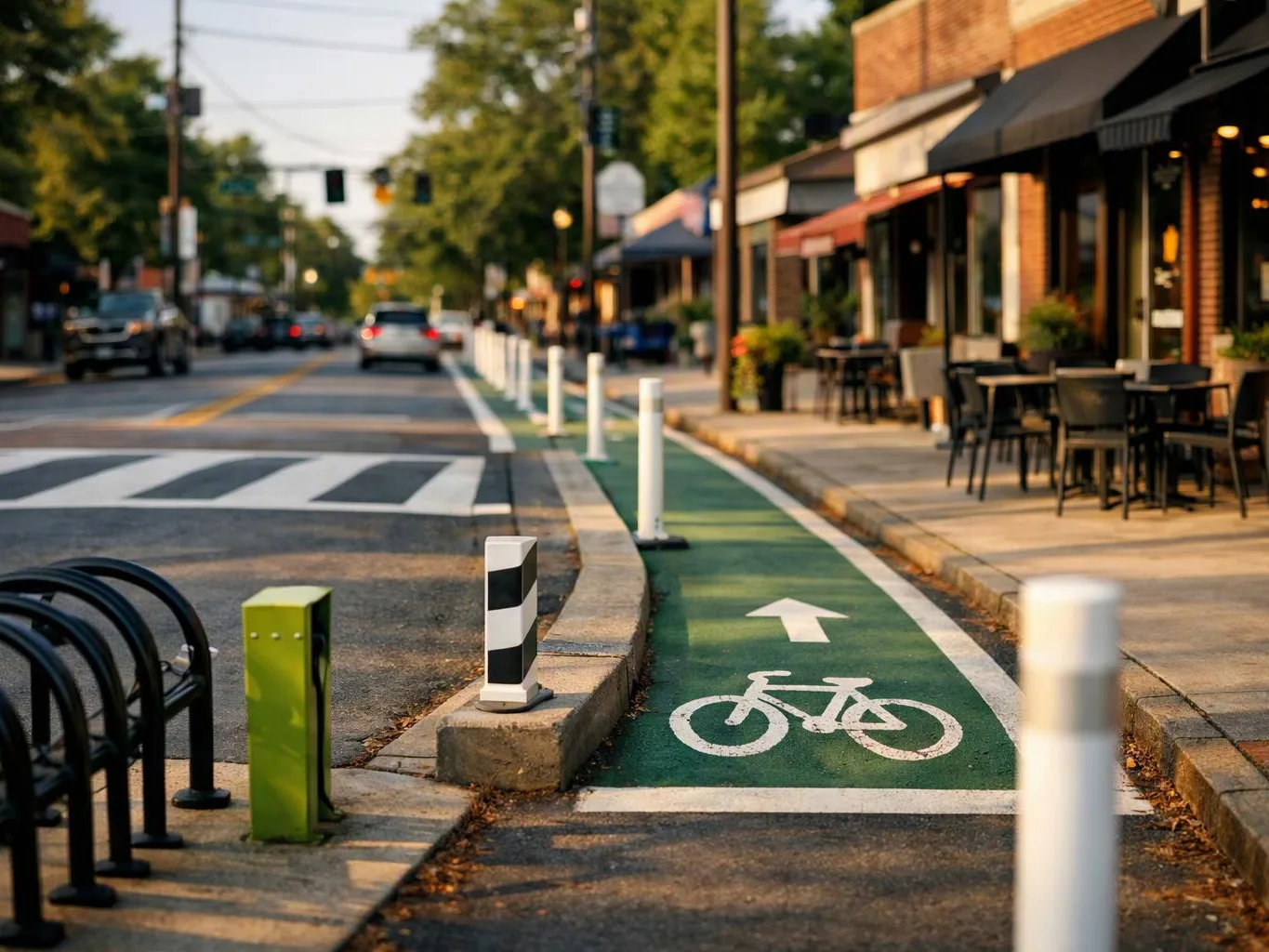
Bicycle Accident Claims: Evidence, Doorings, and Road Hazards
Bicycle accident claims require organized evidence linking the crash, injuries, dooring or road hazard, and responsible party. Atlanta Auto Law reviews crash records, photographs, witness information, medical documentation, and insurance communications to help build the claim, with Free Consultations available.
Request an EstimateWhat Evidence Supports a Bicycle Accident Claim?
Bicycle accident claims are supported by evidence that connects the collision, injury, hazardous condition, and responsible party.
A useful claim file may include the crash scene, a police report, photographs, video footage, witness information, medical records, and bicycle damage. These materials help show what happened, who may have been liable, and how the injury relates to the crash.
We review the accident documentation for gaps and inconsistencies. Our team also considers the cyclist’s account, the motor vehicle involved, insurance communications, and available evidence of negligence.
How We Build a Bicycle Accident Claim
Atlanta Auto Law builds a bicycle accident claim by reviewing the facts, preserving evidence, analyzing liability, documenting injuries, and managing insurance communications.
Our process keeps the evidence connected to the legal questions in the case. We work to show the causal connection between the conduct or roadway condition, the crash, the injury, and the property damage.
What Should You Preserve Before Evidence Is Lost?
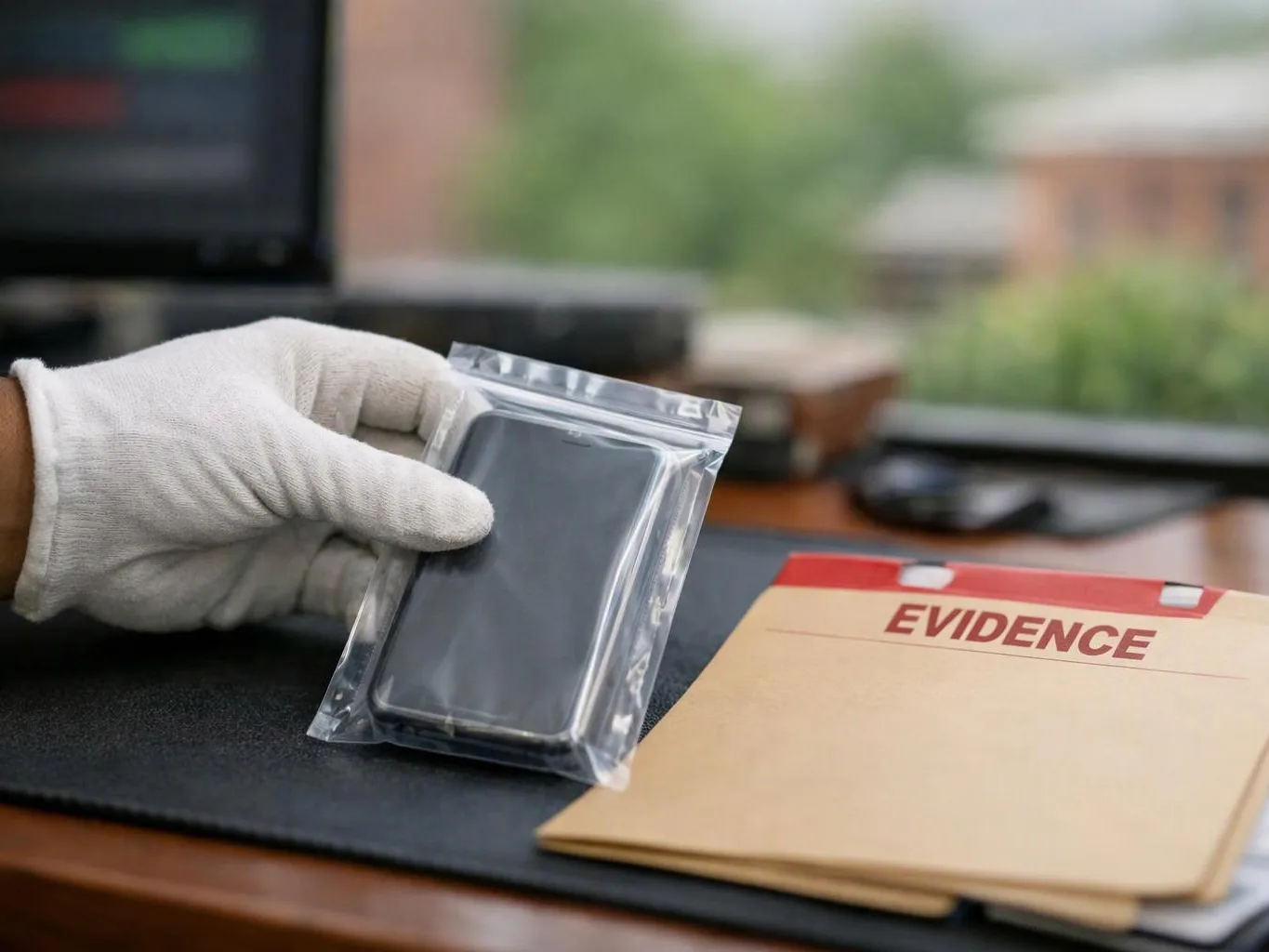
Evidence preservation means keeping bicycle accident evidence in its original form and organizing it by source, date, location, and connection to the crash.
Save original files when possible and avoid altering damaged property before it can be documented. Our team uses these materials to compare the physical evidence with the collision report, witness statement, medical documentation, and insurance investigation.
| Evidence | What to preserve | Why it matters |
|---|---|---|
| Photographs | The crash scene, injuries, road surface, vehicle, and property damage | Shows physical conditions and visible results of the crash |
| Video footage | Traffic, security, helmet-camera, or phone recordings | May show movement, visibility, timing, or the collision point |
| Witness information | Names and contact information, along with what each witness observed | May support the cyclist’s account of liability and causation |
| Police report | The report and any collision report details | Provides an official record of reported facts |
| Medical records | Treatment records, diagnostic information, and care instructions | Documents the injury and its connection to the crash |
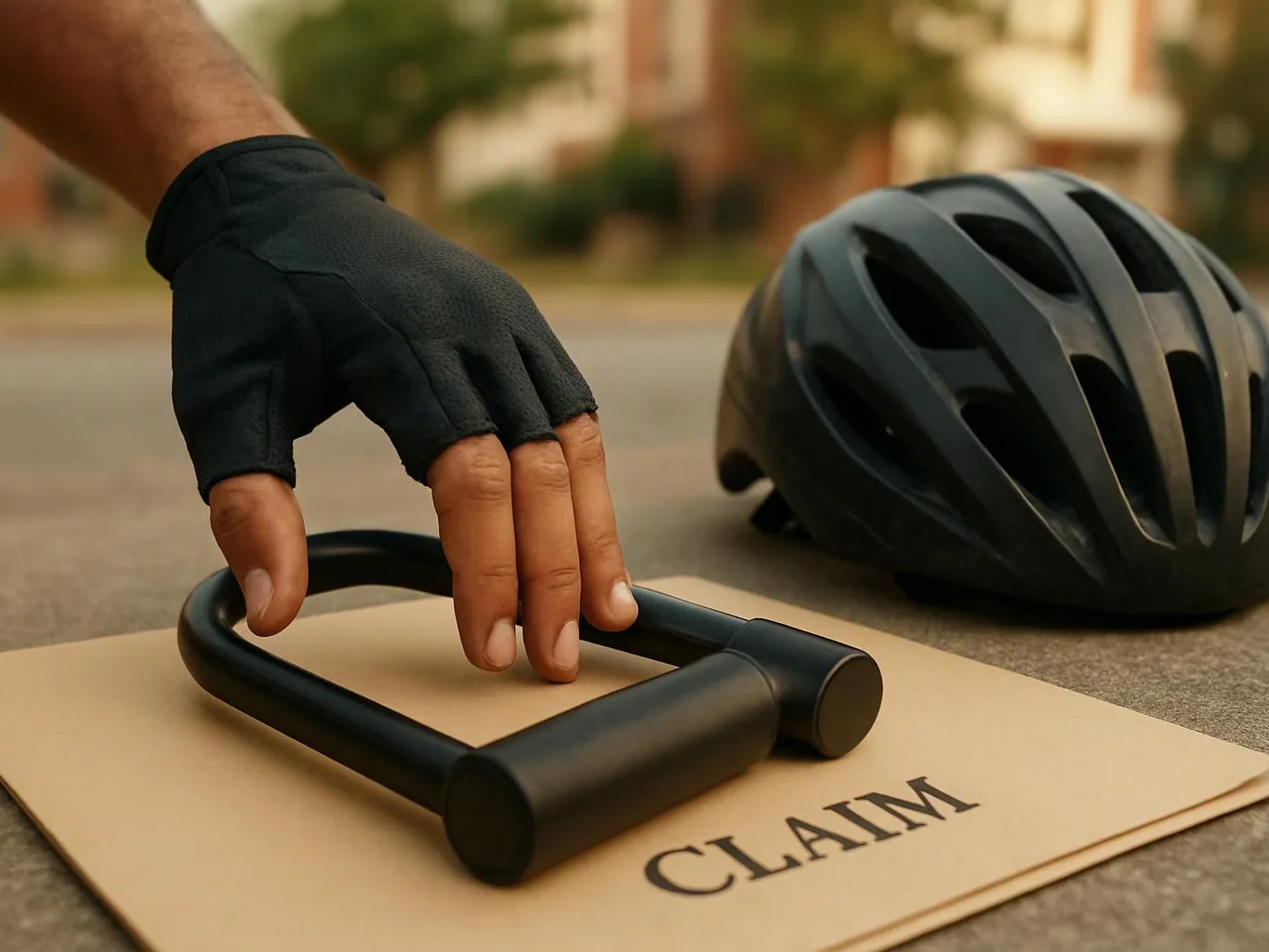
| Bicycle damage | The bicycle, damaged parts, repair records, and purchase information | Supports the property damage portion of the claim |
| Protective equipment | Helmet, clothing, lights, and other equipment involved in the crash | May show impact or damage related to the collision |
| Insurance correspondence | Letters, emails, claim references, and adjuster requests | Creates a record of insurance communications |
How Do Doorings Affect Bicycle Accident Claims?
Dooring claims turn on whether an opened vehicle door created the collision hazard and what evidence identifies the vehicle, occupant, location, and resulting injury.
A dooring may involve a parked vehicle, a driver or passenger, and a cyclist traveling near a bike lane. The collision point, vehicle identification, photographs, and witness statement can help show how the door opening event caused the crash.
We examine whether the door was opened into the cyclist’s path and whether the available evidence identifies the person who opened it. We also review injury documentation and property damage for consistency with the reported impact.
How Do Road Hazards Affect Bicycle Accident Claims?
Road hazard claims depend on documenting the hazard, showing how it caused the bicycle crash, and identifying the party responsible for the roadway condition.
A pothole, debris, uneven pavement, or another poor roadway condition may affect a cyclist’s path, balance, visibility, or ability to avoid the crash. Scene photographs should show the road surface, surrounding conditions, and the position of the bicycle after the incident.
Our team investigates notice of hazard and road maintenance responsibility when those issues apply. We connect the roadway evidence to causation, the cyclist’s injury, and any available collision report.
What Can You Do Before the Claim Review Begins?
Claim documentation becomes stronger when you preserve the scene, obtain medical care, and keep related records together before the claim review begins.
These steps help protect information that may become harder to obtain later. We can use the organized materials to evaluate liability, causation, injury, and property damage.
Why Do Doorings and Road Hazards Require Different Evidence?
Dooring evidence focuses on the vehicle door and occupant, while road hazard evidence focuses on the roadway condition, notice, maintenance responsibility, and crash causation.
A dooring collision claim may depend on identifying the vehicle, showing the door opening event, and locating the collision point. A road hazard claim may depend on photographs, maintenance records, prior notice, visibility, and the condition of the road surface.
We evaluate comparative fault when the available facts raise questions about the actions of the cyclist or another party. We also connect property damage and injury documentation to the event so the claim presents a complete causal connection.
When Should You Discuss a Bicycle Accident Claim With Atlanta Auto Law?
Atlanta Auto Law can review a bicycle accident claim when liability, injury documentation, a dooring, or a road hazard creates questions about the available evidence; Free Consultations are available.
Contact us when an insurance adjuster requests a recorded statement, disputes liability, questions medical treatment, or asks for documents that you are unsure how to provide. We review the claim file, preserve relevant evidence, and explain the next step based on the facts.
You can contact our team through Bicycle Accident Claims support to discuss the crash, the injury, and the evidence connected to your claim.
Questions About Bicycle Accident Evidence
Can photographs of a road hazard help prove a bicycle accident claim?
Yes, photographs of a road hazard can help prove a bicycle accident claim when they show the condition, location, visibility, and connection to the crash. Atlanta Auto Law reviews the photographs with the collision report, witness information, medical records, and other evidence.
What should I do if the driver who opened the door leaves the scene?
If the driver who opened the door leaves the scene, preserve the crash scene, seek medical care, report the incident, and collect witness and vehicle information if safely possible. Photographs, video footage, bicycle damage, and medical documentation may help identify the vehicle and support the claim.
Should I give a recorded statement to an insurance adjuster after a bicycle crash?
You should understand what the insurance adjuster is requesting and how the statement may affect liability or the injury claim before agreeing to give a recorded statement. We can review the request and help you organize accurate information about the crash, medical treatment, and damages.
Can damaged bicycle parts be used as evidence?
Yes, damaged bicycle parts can be used as evidence of impact and property damage when they are preserved and documented. Keep the bicycle and parts available for inspection, and save photographs, repair records, and purchase information.
What evidence can show that a road hazard caused a bicycle injury?
Evidence showing that a road hazard caused a bicycle injury may include scene photographs, video footage, witness statements, the police report, medical records, bicycle damage, and information about roadway maintenance or notice of the hazard. The evidence should connect the road condition to the cyclist’s loss of control, collision, and injury.
Atlanta Auto Law reviews bicycle accident claims involving doorings, road hazards, disputed liability, and injury documentation. Contact us to discuss the evidence and your available options.
Related Resources
Questions to Ask During a Personal Injury Attorney Consultation
Everything About ItHow Attorney-Client Communication Works in a Personal Injury Case
Everything About ItHow to Choose the Right Personal Injury Attorney for Your Case
Everything About ItComparative Fault and Responsibility in Personal Injury Claims