Rideshare Accident Claims: Drivers, Platforms, and Insurance
Rideshare accident claims depend on who was driving, the driver's app status, which insurance policies apply, and who caused the crash. Atlanta Auto Law reviews the evidence, identifies potentially responsible parties, and helps pursue the applicable claim; free consultations are available.
Request an Estimate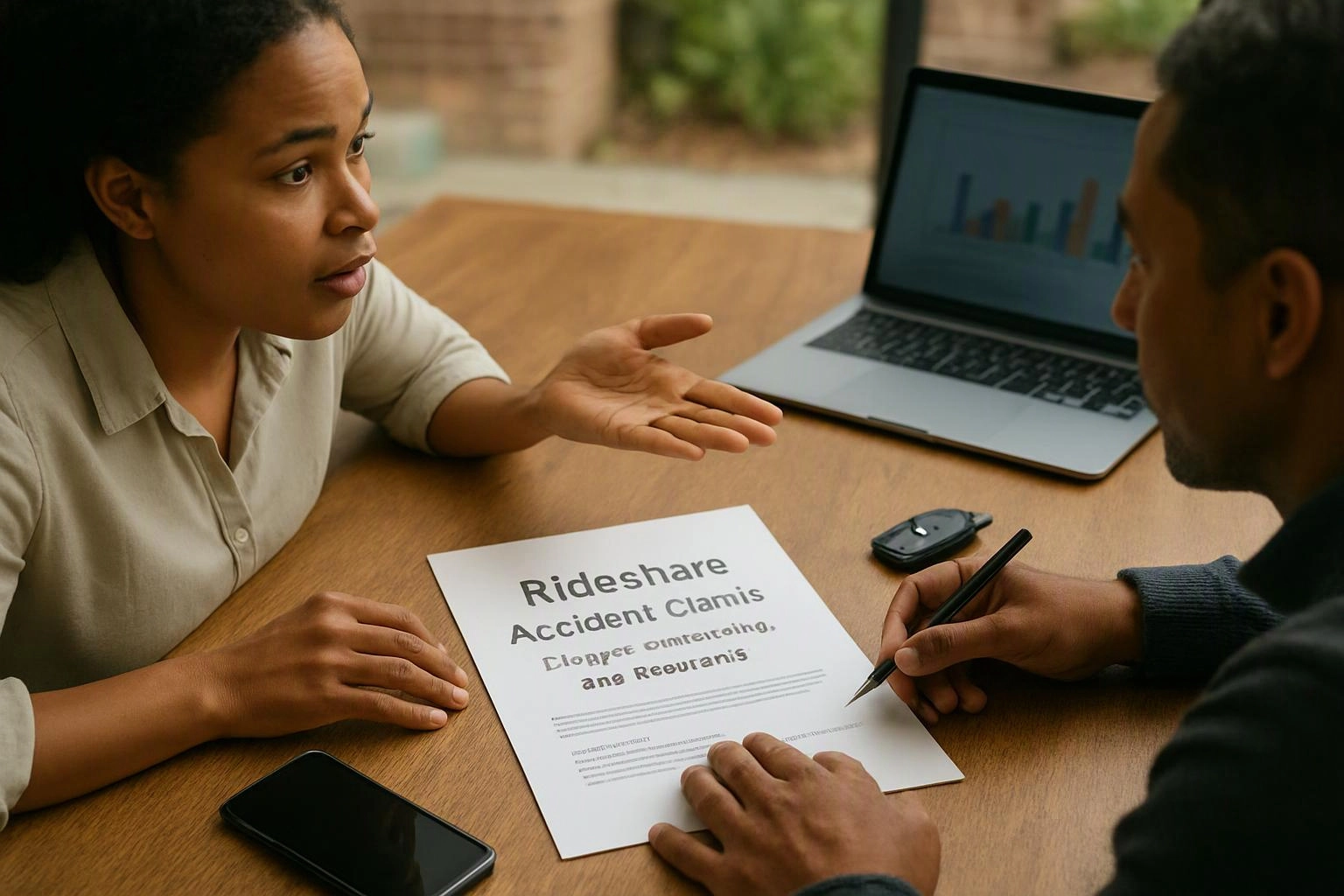
Who Can Be Responsible for a Rideshare Accident?
Rideshare accident claims can involve the rideshare driver, another motorist, the vehicle owner, or a rideshare platform depending on the facts, driver conduct, and applicable legal duties.
A rideshare passenger may have a claim when a driver's negligence causes injury. Responsibility may also involve an employer when the driver was working within the scope of employment. We review the crash facts, vehicle ownership, driver conduct, and platform relationship to identify each potentially responsible party.
Fault may be shared when more than one person contributed to the collision. Our team connects the available accident evidence to the liability analysis.
How Does a Driver’s App Status Affect Insurance Coverage?
A driver's app status can change which policy may respond because personal driving, waiting for a request, traveling to a passenger, and carrying a passenger can involve different coverage questions.
An offline driver may be using personal auto insurance for a personal trip. An available driver may be waiting for a request, while an accepted trip may involve a different coverage review. A passenger trip creates another coverage question because the rideshare driver is transporting a passenger.
We obtain and examine the rideshare app records, trip status, and timing of the crash. That coverage investigation helps separate personal auto insurance, commercial rideshare insurance, and platform insurance issues.
Which Insurance Policies May Apply to a Rideshare Crash?
The applicable insurance may include the driver's personal policy, a rideshare endorsement, the platform's policy, or another driver's coverage, depending on the driver's activity and the crash circumstances.
Potential policies include personal auto insurance, commercial auto insurance, and rideshare insurance. Each policy may contain different terms for liability coverage, exclusions, conditions, and claim handling.
Uninsured motorist coverage may apply when the at-fault driver lacks insurance. Underinsured motorist coverage may help address losses when the available policy does not fully cover the harm. Medical payments coverage may address certain medical costs under the applicable policy.
We review every potentially applicable insurance policy and compare the policy language with the driver's app status, the collision facts, and the documented losses.
What Should You Do After a Rideshare Accident?
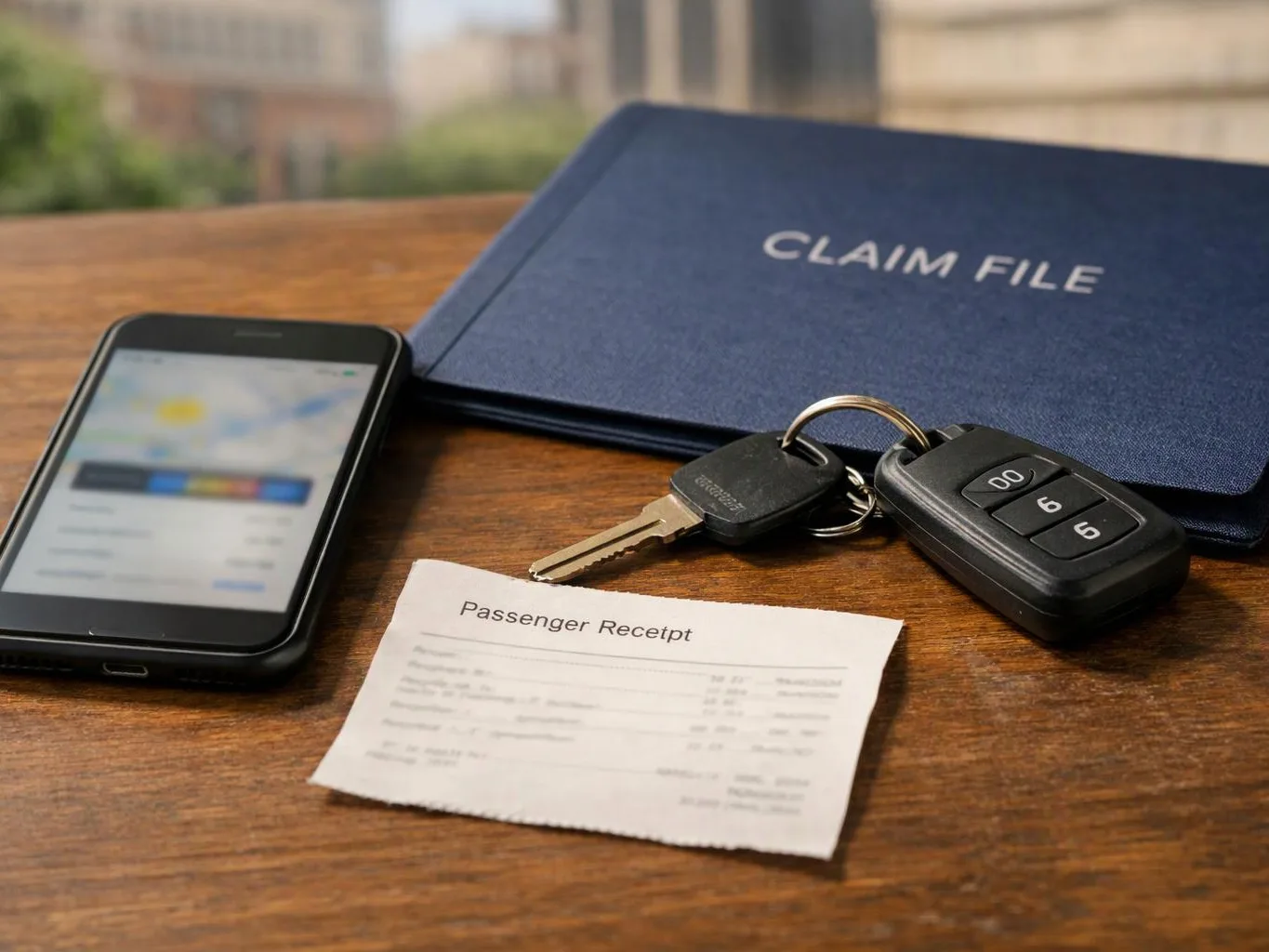
After a rideshare accident, protect your safety, document the crash, preserve trip information, report the loss to the relevant insurers, and obtain guidance before giving a detailed recorded statement.
Early documentation can preserve facts that may later affect fault, insurance coverage, and damages.
How We Build a Rideshare Accident Claim
Atlanta Auto Law builds a rideshare accident claim by reviewing coverage, reconstructing the collision, organizing injury evidence, and connecting the available facts to each potentially responsible party.
Our team reviews accident reconstruction evidence, app records, vehicle damage, medical documentation, and witness statements. We use those materials to test the liability analysis and address disputes about fault or negligence.
We also complete an insurance coverage review. That review helps determine which policies may provide liability coverage, uninsured motorist coverage, or underinsured motorist coverage.
Our Rideshare Accident Claims service brings the collision evidence, injury records, and insurance communications into one organized claim presentation.
What Are the Insurance-Claim Steps After a Rideshare Crash?
The insurance-claim process moves from documenting the loss through insurer contact, inspection, damage evaluation, approval, repairs, and final invoice or review.
We track each stage so the claim documentation reflects the full damage scope and the insurer's coverage position.
What Mistakes Can Jeopardize a Rideshare Insurance Claim?
A rideshare insurance claim can be weakened by delayed notice, inconsistent accounts, missing medical documentation, lost trip evidence, or accepting a settlement before the losses are understood.
We help preserve the claim record and address problems before they affect the coverage investigation.
How Do Injuries and Damages Affect a Rideshare Claim?
Injuries and damages affect a rideshare claim by determining which losses must be documented and how the claim should address present treatment, income disruption, property damage, and future needs.
Bodily injury claims may include medical expenses, pain and suffering, and lost income or lost wages. Medical records and treatment documentation help show the nature of the injury and the care it requires.
Property damage may involve vehicle damage and other damaged belongings. We organize damages documentation and evaluate whether the available records address current losses and possible future medical needs.
A settlement should account for the documented losses before a settlement release is considered. Our team reviews the settlement offer against the claim evidence and the ongoing effect of the injury.
What Should You Know Before Speaking With a Rideshare Insurer?
Before speaking with a rideshare insurer, understand which policy is being evaluated, preserve your account of the crash, and review requests for statements, authorizations, or releases carefully.
An insurance adjuster may ask for a recorded statement, medical authorization, photographs, or other claim communication. Each request can affect the coverage position or the insurer's evaluation of the claim.
We help organize the facts before detailed communications occur. We also review the proposed settlement release so you understand what rights and losses the document may address.
How Can Atlanta Auto Law Review Your Rideshare Accident Claim?
Atlanta Auto Law reviews the collision facts, driver and platform coverage, injury documentation, and claim communications to determine how the claim should proceed; free consultations are available.
We conduct an insurance investigation, review liability, organize claim documentation, and evaluate settlement communications. Our team also examines driver app status, platform records, vehicle damage, medical records, and witness evidence.
Contact us to discuss the facts of your rideshare accident claim and the policies that may apply.
Questions About Rideshare Accident Claims
Does the rideshare company’s insurance cover every accident?
Atlanta Auto Law explains that a rideshare company's insurance does not automatically cover every accident because coverage can depend on the driver's app status, trip activity, fault, and the policy terms.
What happens if the rideshare driver was not logged into the app?
An offline rideshare driver may raise a personal auto insurance question because the platform's coverage may depend on the driver app status and the applicable policy terms.
Can a rideshare passenger file a claim against the driver?
Yes, a rideshare passenger can file a claim when the driver's negligence caused an injury, subject to the applicable insurance coverage and the available evidence.
What evidence should I save after a rideshare accident?
Save the police report, photographs, medical records, trip records, insurance communications, vehicle damage records, and witness information connected to the crash.
Can I make a claim if the other driver was uninsured?
Yes, an uninsured motorist claim may be available when the other driver lacks insurance, depending on the applicable policy, the crash facts, and the coverage requirements.
Should I accept an insurance settlement after a rideshare crash?
Do not accept a rideshare insurance settlement until the documented injuries, medical treatment, lost income, property damage, and possible future needs have been reviewed.
Rideshare accident claims require a careful review of driver status, platform coverage, fault, accident evidence, and documented losses. Atlanta Auto Law is available for a free consultation about your claim.
Get a Free EstimateRelated Resources
Common Insurance Claim Mistakes That Can Reduce an Injury Settlement
Everything About ItQuestions to Ask During a Personal Injury Attorney Consultation
Everything About ItHow to Choose the Right Personal Injury Attorney for Your Case
Everything About ItComparative Fault and Responsibility in Personal Injury Claims