What to Do When an Insurance Adjuster Calls After a Crash
Insurance adjuster calls after a car accident should be handled carefully: confirm who is calling, avoid guessing or accepting blame, do not give a recorded statement or sign a release before understanding the claim, and contact Atlanta Auto Law for guidance through its car accident claims service.
Written by Ronnie Mabra
Request an EstimateWhat Should You Do When an Insurance Adjuster Calls?
An insurance adjuster call should be treated as a claim conversation, not as a routine information request. Verify the caller, record the claim details, and answer only what you can state accurately.
Atlanta Auto Law reviews the caller’s role, the insurance company’s request, and the available evidence before you make statements, accept a settlement, or sign documents. Our Car Accident Claims service helps organize communication about liability, personal injury, and property damage.
Before You Speak With the Adjuster
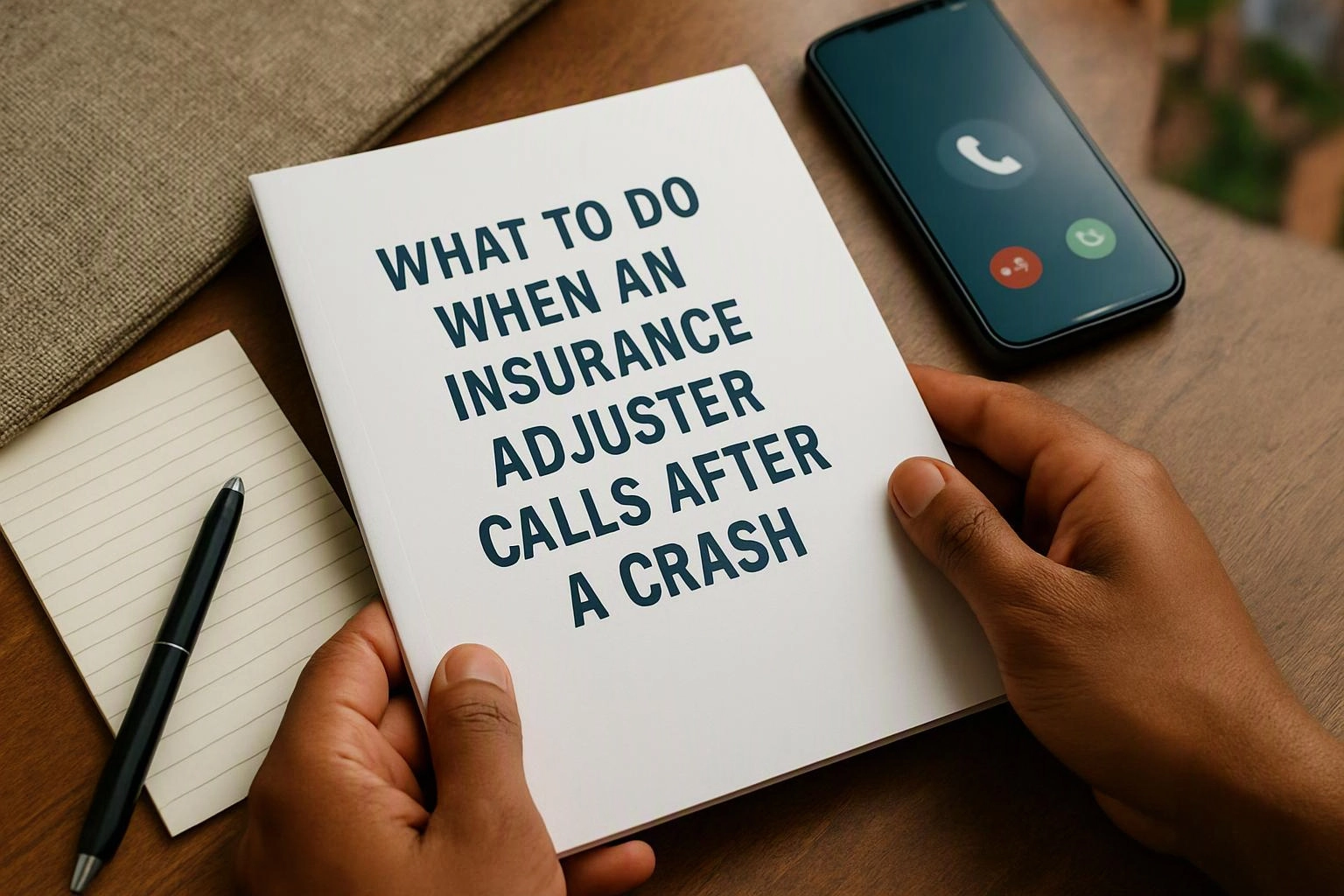
Before speaking with an adjuster, gather the records that help you give a careful and consistent account. These materials also help our team evaluate the claim if you request legal guidance.
What the Adjuster May Ask About the Crash
An insurance adjuster may ask about the accident, injuries, treatment, damage, work impact, and prior conditions to evaluate liability and the value of the claim.
Questions may cover where the vehicles were, how the impact happened, when symptoms began, and whether you received medical treatment. The adjuster may also ask about vehicle damage, lost income, prior medical conditions, fault, comparative negligence, and your view of liability.
Answer questions about known facts without guessing. A careful answer can state what you remember while making clear when you need to check a record.
During the Insurance Adjuster Call
During an adjuster call, give a limited factual statement and keep the conversation focused on the claim. Do not let pressure turn uncertainty into speculation or an admission of fault.
Should You Give a Recorded Statement?
You do not have to agree to a recorded statement from the other driver’s insurer before understanding why it is requested and how it may affect your claim.
A recorded statement can become part of the insurance company’s claim investigation. The statement may later be compared with medical records, the police report, witness information, and other claim documentation.
Our team can review the statement scope and help protect your legal representation rights. Your own insurance policy may include cooperation duties, so the answer can depend on the policy and the claim circumstances.
After the Call: Protect Your Claim
After an adjuster call, preserve a clear claim file and confirm important requests in written communication. A complete record helps show what was asked, what was provided, and how the claim developed.
When an Adjuster’s Request Raises Concern
An adjuster’s request raises concern when claim handling includes settlement pressure, a broad medical authorization, or an effort to obtain a liability admission without a clear reason.
We review whether the request fits the claim investigation and whether the insurance company is using information fairly. A liability dispute may require focused evidence about the crash, while an injury dispute may require organized medical treatment records.
Insurance bad faith claims involve separate questions about the insurer’s conduct and obligations. Atlanta Auto Law reviews the communication history and claim file when those concerns arise.
Insurance Adjuster Red Flags to Watch For
Red flags can show that an adjuster’s request deserves careful review before you respond. These warning signs do not decide the claim by themselves, but they should slow the conversation.
How Atlanta Auto Law Reviews an Insurance Call
Atlanta Auto Law reviews an insurance call by examining the claim communications, the request made by the insurance company, and the evidence supporting liability and damages.
We compare the account of the crash with the police report, witness information, vehicle damage, medical records, and other injury documentation. Our team also reviews settlement offers, releases, and authorizations before you make a decision.
For concerns about claim handling, we can assess whether the facts may support a review of Insurance Bad Faith Claims. We explain the available options in plain language and help keep the claim file organized.
Who Is Calling and What Does the Request Mean?
The caller’s relationship to the claim determines what the request may mean and how carefully you should respond. The table below provides a practical starting point for identifying common requests.
| Caller or request | What it may mean | Safer next step |
|---|---|---|
| Your own insurer | The insurer may be handling coverage, benefits, or its own claim investigation. | Confirm policy duties and provide accurate information within the proper scope. |
| Other driver’s insurer | The other driver’s insurance company may be evaluating fault, coverage, and damages. | Verify the claim and consider legal guidance before a detailed statement. |
| Recorded statement request | The claims adjuster wants an account that may become part of the claim investigation. | Ask about the purpose and scope before agreeing. |
| Medical authorization | The insurer seeks access to medical records or treatment information. | Review the authorization’s scope before signing. |
| Settlement offer | The insurer proposes payment in exchange for resolving some or all claim issues. | Review the offer, damages, and release agreement before accepting. |
What Information Should You Have Ready?
Before speaking with an adjuster, have your contact information, insurance information, accident date and location, and vehicle information available.
Prepare a clear account of injury symptoms, treatment providers, and medical treatment. Keep witness names, contact details, the police report, photographs, repair records, medical records, and other supporting documents together.
Information about lost wages may also matter when an injury affects your work. We can help separate confirmed facts from estimates and identify records that support the claim.
What to Do Next With Your Car Accident Claim
Your next step is to preserve the claim record and obtain a careful claim evaluation before making a settlement decision. Keep insurance correspondence, medical documentation, property damage records, and written communications together.
Atlanta Auto Law can review the call, explain the request, and assess the evidence for car accident claims or insurance bad faith claims. Contact us to discuss your claim and the information you have received.
Ronnie Mabra provides author attribution for this guide.
Questions About Insurance Adjuster Calls
Can the other driver's insurance company call me after a crash?
Yes, the other driver’s insurance company can call to ask about the crash and claim. Atlanta Auto Law recommends confirming the caller’s identity and understanding the request before providing a detailed statement, recorded statement, or signed document.
What should I do if an insurance adjuster asks for medical records?
Review the purpose and scope of the medical records request before signing an authorization. The request should be connected to the injury claim, and broad access can raise concerns about unrelated medical history.
Can an insurance adjuster use my recorded statement against me?
Yes, an insurance company may compare a recorded statement with the accident report, medical records, witness information, and later testimony. Understand the statement’s purpose and scope before agreeing to provide one.
What should I do if the insurance company denies fault?
If the insurance company denies fault, preserve the denial and gather evidence about liability, including the police report, vehicle damage, photographs, witness information, and other crash records. We can review the evidence and the insurance correspondence to assess the dispute.
Should I accept an insurance settlement offer before my treatment is complete?
You should understand your medical treatment, future care needs, damages, and the release agreement before accepting a settlement offer. Signing a release may affect your ability to pursue additional compensation for the same claim.