Concussion and Brain Injury Signs After a Car Accident
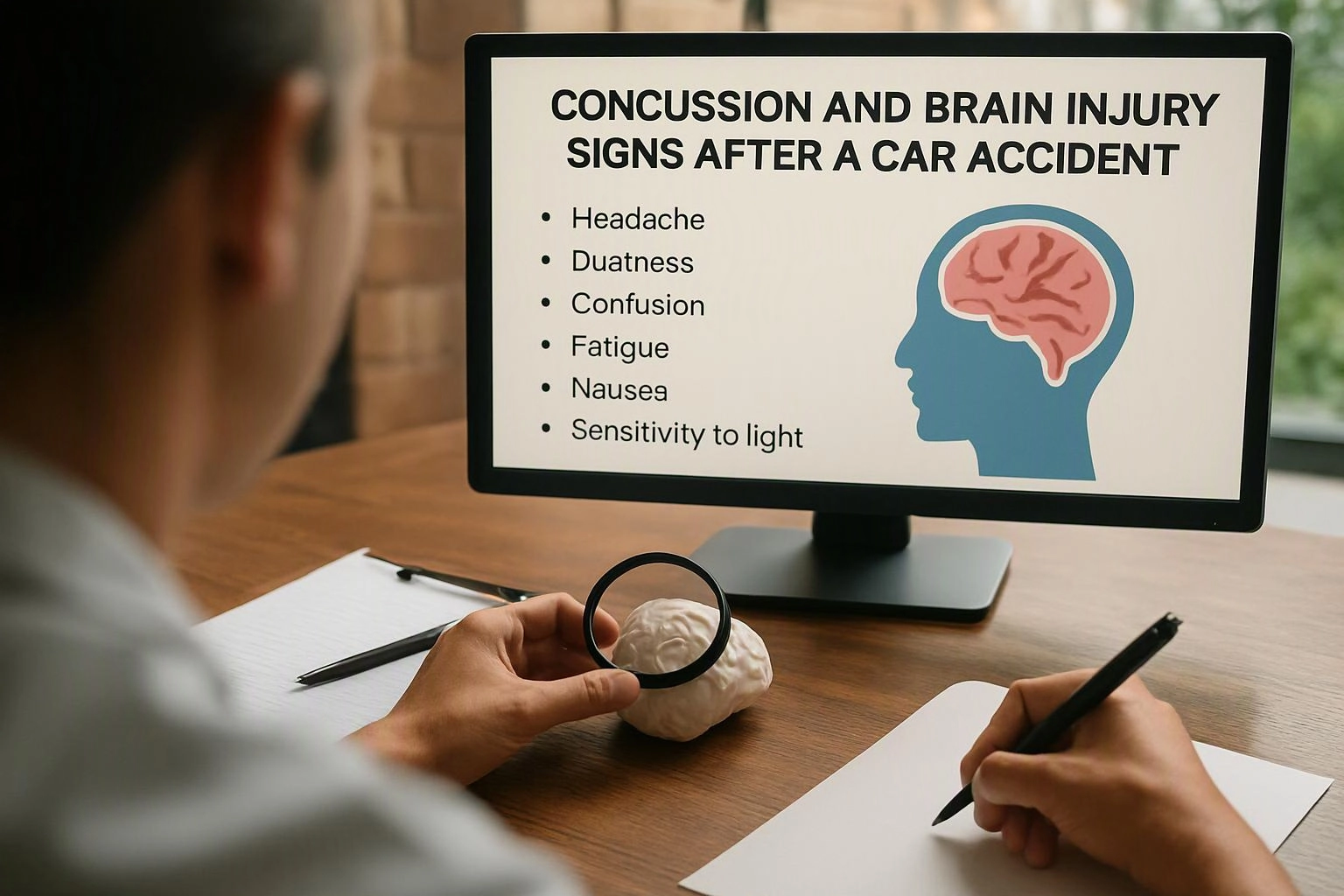
Concussion and brain injury signs after a car accident can include headache, dizziness, confusion, memory problems, nausea, vision changes, and unusual sleepiness. Symptoms can appear later, so seek medical care for concerning changes and contact Atlanta Auto Law to discuss how the injury may affect a claim.
Written by Ronnie Mabra
Request an EstimateAuthor: Ronnie Mabra
What Are Concussion Symptoms After a Car Accident?
Concussion symptoms after a car accident include physical, cognitive, emotional, and sleep-related changes that can follow a blow, jolt, or rapid movement of the head. Atlanta Auto Law helps connect those symptoms with the medical records and facts needed to review a potential claim.
A concussion is a form of mild traumatic brain injury. A person can have a concussion after a head impact, even when there is no visible wound.
Can Concussion Symptoms Be Delayed After a Crash?
Yes, concussion symptoms can be delayed after a crash, so a person should monitor new or worsening changes and seek medical guidance. Adrenaline and the body’s stress response can make symptoms harder to notice immediately.
Delayed symptoms may include headache, dizziness, confusion, nausea, fatigue, memory changes, and sleep disturbance. Post-concussion symptoms can also become clearer as the stress of the crash fades.
Write down when symptoms begin, what makes them worse, and how they affect ordinary activities. This symptom documentation can help a medical provider evaluate the head injury and can preserve useful claim evidence.
What Are Warning Signs of a More Serious Brain Injury?
Warning signs of a more serious brain injury include worsening symptoms, reduced alertness, seizures, repeated vomiting, new weakness, and significant changes in speech or behavior. These emergency symptoms require emergency medical care.
Seek immediate help for loss of consciousness, a worsening headache, repeated vomiting, a seizure, slurred speech, weakness, unequal pupils, or increasing confusion. Emergency symptoms can signal a traumatic brain injury that needs urgent assessment.
Do not drive yourself if you feel confused, weak, or unusually sleepy. Emergency department records may help document the timing, severity, and progression of the head injury.
When Should You Seek Medical Help After a Head Injury?
You should seek immediate medical help for severe or worsening head injury symptoms, and you should arrange medical evaluation for any concussion symptoms after a collision. A medical provider can perform an examination, assess neurological symptoms, and determine whether further care is needed.
Contact emergency medical services for emergency symptoms such as a seizure, increasing confusion, loss of consciousness, repeated vomiting, new weakness, or major speech changes. For less severe symptoms, contact your primary care provider or another medical service promptly.
Keep copies of medical records, discharge instructions, diagnoses, and treatment recommendations. These records can show when symptoms were reported and how the diagnosis developed after the car accident.
What Should You Do After Noticing Possible Concussion Symptoms?
After noticing possible concussion symptoms, protect your health first and preserve information about the collision. Our team uses that information to understand the injury and evaluate the related claim.
These steps can preserve claim evidence without replacing medical advice. We can review the available records and explain how they may support a car accident claim.
How Do Concussion Symptoms Affect a Car Accident Claim?
Concussion symptoms can affect a car accident claim by connecting the collision to documented medical treatment, functional limitations, and related losses. A brain injury claim may involve medical records, causation, treatment history, lost income, and pain and suffering.
We compare the collision facts with the medical timeline and symptom progression. We also examine whether the records describe cognitive impairment, vestibular symptoms, memory problems, or other effects that continue after the crash.
Consistent injury documentation can help explain why treatment was needed and how the injury affected work, home duties, concentration, and daily life. We preserve relevant evidence and handle insurance communications so the claim is reviewed as a whole.
Our Brain Injury Claims service focuses on the medical and legal issues that can make these cases difficult to evaluate.
Managing Possible Concussion Symptoms Yourself vs Calling Us
Self-care can help you organize information and follow medical guidance, while calling us can help protect the legal side of a potential brain injury claim. The right choice depends on the severity of the symptoms and the need for claim review.
Medical evaluation comes first when symptoms are present or worsening. We then help collect records, review liability, and manage insurance communications connected to the claim.
| Factor | What you can do yourself | What we do |
|---|---|---|
| Health and safety | Seek medical care and follow the treatment plan. | We review the medical timeline and identify records that explain the injury. |
| Symptom documentation | Keep a clear record of symptoms and daily limitations. | We organize symptom documentation with medical and crash evidence. |
| Crash evidence | Save photographs, reports, witness details, and correspondence. | We collect and review evidence related to liability and causation. |
| Insurance communications | Avoid guessing about symptoms or minimizing ongoing problems. | We handle claim communications and evaluate the insurer’s position. |
| Brain injury claim | Keep records showing treatment, lost wages, and daily effects. | We review damages, evidence preservation, and the potential claim. |
How Atlanta Auto Law Reviews a Brain Injury Claim
Atlanta Auto Law reviews a brain injury claim by comparing the collision facts, medical timeline, symptom progression, liability, and damages. We use that review to understand how the car accident may have caused the head injury and affected the person’s life.
Our team examines medical records, diagnostic information, treatment history, work effects, and reported pain and suffering. We also review photographs, crash reports, witness information, and insurance correspondence.
We look for a clear connection between the collision and the documented injury. We preserve claim evidence and address gaps or inconsistencies that may affect an insurance claim.
Contact us when possible concussion symptoms affect your health, work, or daily activities. We offer Free Consultations to discuss the facts and the next steps for a potential Brain Injury Claims matter.
Questions About Concussion Signs After a Car Accident
Can you have a concussion without hitting your head in a car accident?
Yes, a concussion can occur without a direct head impact when a car accident causes the head and brain to move rapidly. Atlanta Auto Law reviews the collision mechanics, symptoms, and medical records when evaluating a possible claim.
How can you tell the difference between whiplash and a concussion?
Whiplash commonly involves neck pain and stiffness, while a concussion can involve headache, confusion, memory changes, dizziness, nausea, or vision changes. Symptoms can overlap, so medical evaluation is important for an accurate diagnosis.
Can a concussion affect memory and concentration after a crash?
Yes, a concussion can affect memory and concentration after a crash. These cognitive changes may interfere with work, conversations, decision-making, and daily tasks, so record them and discuss them during medical care.
What records help document a concussion claim?
Medical records, diagnostic results, treatment notes, discharge instructions, symptom records, work documentation, crash reports, photographs, and witness information can help document a concussion claim. Records are most useful when they clearly show the symptoms, treatment, and effect on daily life.
When a car accident causes possible concussion symptoms, prompt medical care and careful documentation can protect both your health and your claim. Contact Atlanta Auto Law to discuss your situation and the available next steps.
Get a Free Estimate