Skip to content

Brain Injury Claims in Decatur, Georgia

Neurological exams help show how a brain injury affects daily life in Decatur. We review medical records and accident evidence before discussing your claim.

Upfront, Transparent PricingServing 66 CommunitiesMon-Sun: Open 24 hoursFast Scheduling

Quick Summary: Brain injury claims in Decatur, Georgia

Brain Injury Claims in Decatur are handled by Atlanta Auto Law for people injured in motor vehicle accidents. The work covers medical evidence, accident records, lost wages, pain and suffering, and other accident-related losses across metro Atlanta.

  • What we do: Atlanta Auto Law handles Brain Injury Claims for Decatur clients after motor vehicle accidents.
  • What is included: Key capabilities include medical record review, evidence gathering, insurance negotiation, and claim preparation.
  • What you get: The client receives a documented claim that connects brain injury effects with accident-related losses.

Why can brain injury symptoms appear after an accident in Decatur, Georgia?

Brain injury symptoms can appear later because some effects are subtle at first. Headaches, memory problems, mood changes, and trouble focusing can become clearer during recovery. Medical records and follow-up care help connect those symptoms to the accident. A prompt consultation helps preserve the facts needed for a careful claim review.

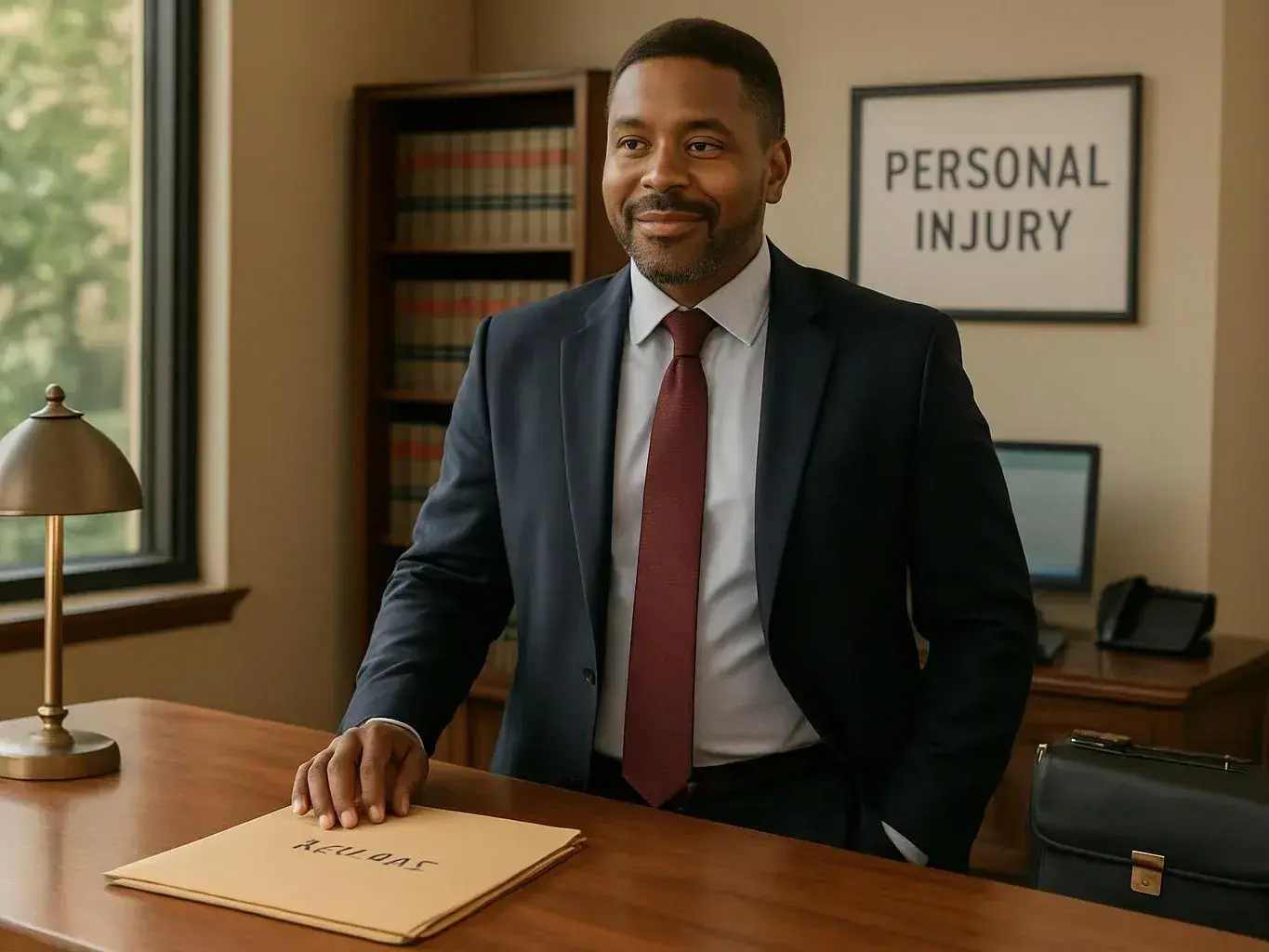
Working With Our Team in Decatur

A brain injury claim connects the accident, the medical condition, and the losses that followed. The work is for people hurt in car, truck, motorcycle, rideshare, bicycle, and pedestrian accidents.

The key decision is whether the available records explain the injury clearly. We review police and medical records, treatment notes, wage information, and insurance communications. The claim must address both visible symptoms and problems that affect work, home life, or recovery.

This page focuses on how neurological evidence is evaluated. It gives Decatur clients a clearer way to judge whether their records support a claim and what should be gathered before discussions with an insurer.

  • Record when symptoms began and how they changed after the accident.
  • Gather emergency room records, follow-up notes, and rehabilitation records.
  • Keep information about missed work, reduced duties, and lost wages.
  • Save insurance letters, claim numbers, and recorded statement requests.
  • Ask how cognitive testing and brain imaging fit the medical record.
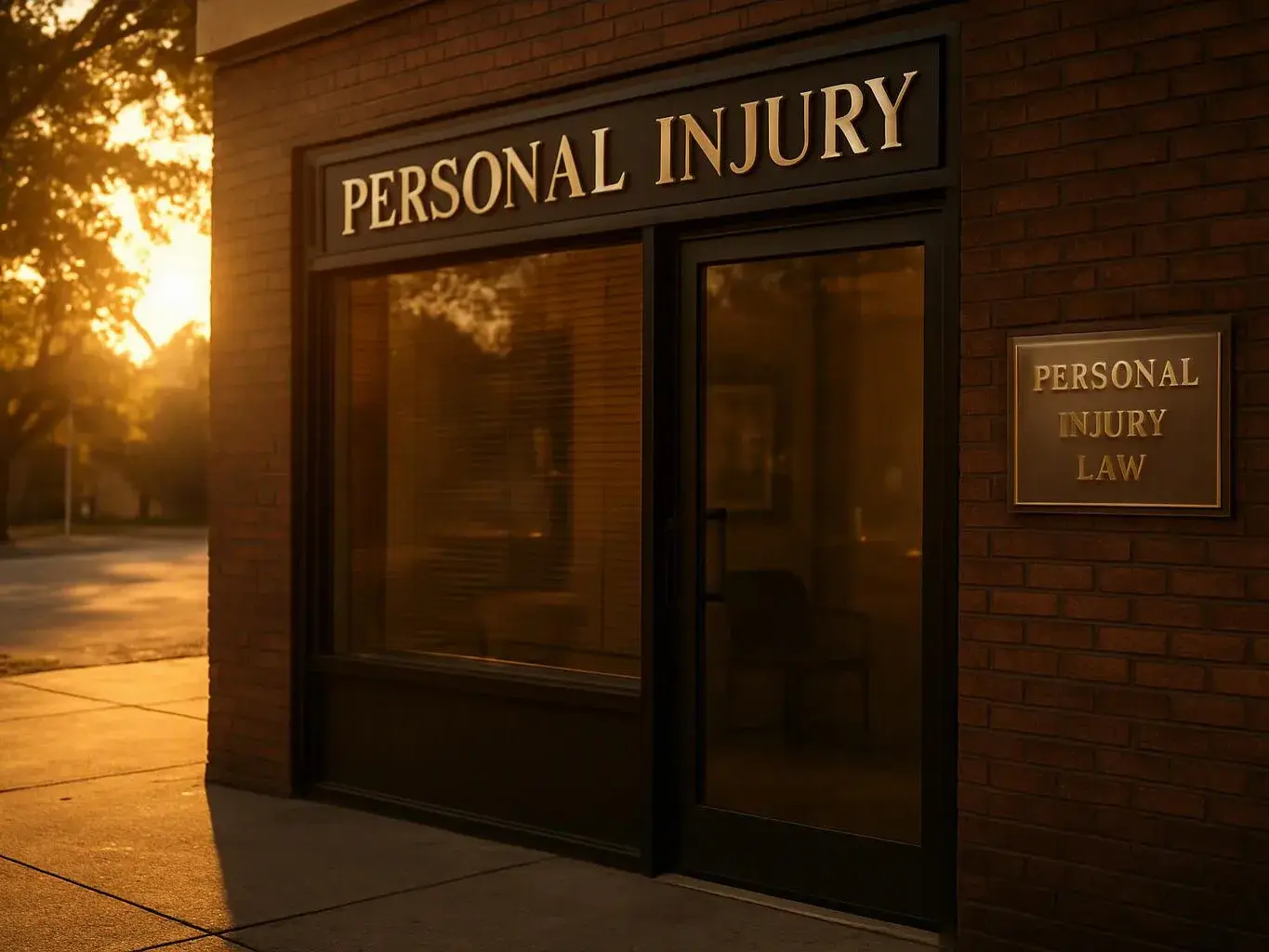
Brick office entrance with a glass door and signs reading "PERSONAL INJURY" and "PERSONAL INJURY LAW" at sunset

Service Overview

Brain injury claims are legal claims that seek compensation for harm to the brain after an accident.

  • These claims differ from a simple vehicle-damage claim because they address medical care, cognitive effects, lost wages, and lasting changes in daily life.
  • Atlanta Auto Law handles brain injury claims for clients in Decatur and throughout metro Atlanta.

What this claim work changes for you

A focused review connects medical evidence with the accident and its effects.

You get help addressing losses that go beyond the first hospital visit.

The claim can include work limits, missed wages, and changes to daily tasks.

You have one legal team to organize records and respond to insurer questions.

Families receive a clearer view of the evidence before choosing the next step.

What brain injury claim support includes

Atlanta Auto Law provides comprehensive Brain Injury Claims in Decatur. Here's what you get:

  • We review accident reports, medical records, and insurance documents.
  • We organize evidence about headaches, memory loss, focus, mood, speech, and other reported effects.
  • We examine rehabilitation records and information about future care.
  • We calculate documented medical expenses, lost wages, pain and suffering, and other accident-related losses.
  • We prepare demand materials and handle insurance negotiation.
  • We pursue the claim through mediation or trial when the case requires it.
Process

Steps for reviewing a brain injury claim

1

Gather the accident record

We collect the crash report, insurance communications, witness information, and available photographs or video.

2

Review medical evidence

We examine emergency care, follow-up visits, rehabilitation records, brain imaging, and cognitive testing when those records apply.

3

Connect symptoms to daily life

We document changes in work, household tasks, communication, memory, focus, and personal routines.

4

Value documented losses

We organize medical expenses, lost wages, pain and suffering, and other accident-related losses.

5

Handle the insurance claim

We prepare claim materials, negotiate with the insurer, and assess mediation or trial when needed.

What clients get from brain injury claim support

Medical evidence tied to the accident

Neurological exams, brain imaging, and treatment notes can help explain the injury. We compare those records with the accident facts and reported symptoms. This service is the wrong fit when there is no injury claim or accident-related legal issue.

A claim built around daily effects

Cognitive changes may affect work, family duties, and basic routines. We gather records that show those effects, not only the first medical bill.

Support through insurer questions

Insurance companies may ask for records or statements before the medical picture is complete. We review those requests and explain the choices before you respond.

Personal injury experience

Our work focuses on injury victims and the records used to pursue fair compensation under Georgia law.

When this service is the right fit

A person in Decatur may leave an accident scene without clear symptoms, then notice memory trouble or headaches during normal tasks. We compare the symptom history with medical visits, rehabilitation records, work limits, and accident evidence. The practical decision is whether the records support a connected injury claim before insurance negotiations begin.

Evidence used in a brain injury claim

Each record answers a different question about the injury, treatment, and resulting loss.

Evidence typeWhat it helps showHow we use it
Neurological examsChanges in brain and nerve functionCompare findings with symptoms and accident facts
Brain imagingPhysical findings inside the brainReview with clinical notes and treatment history
Rehabilitation recordsTreatment needs and daily limitsDocument progress, setbacks, and ongoing care
Cognitive testingMemory, attention, and reasoning changesExplain effects on work and daily tasks

The Atlanta Auto Law Standard

  • Clear Guidance
  • Individual Evaluation
  • Claims Investigation
  • Compassionate Support

Questions about brain injury claim reviews

How are neurological exams used to evaluate a brain injury claim?

Neurological exams help show how an injury affects brain and nerve function. Atlanta Auto Law compares exam findings with symptoms, treatment notes, accident records, and work limits. A single exam does not tell the whole story. The full medical record helps explain whether the reported effects fit the accident and support the claimed losses.

What should I bring to a first consultation about a brain injury?

Medical records, accident information, insurance letters, and wage documents give the first review a useful foundation.

  • Bring the crash report and insurer contact details.
  • Include hospital, therapy, and rehabilitation records.
  • Write down symptoms and work changes.

Atlanta Auto Law can explain which additional records matter after reviewing the initial materials.

Which medical records matter most in a brain injury claim?

Emergency care, follow-up notes, rehabilitation records, and cognitive testing often provide the clearest picture of the injury. Brain imaging may add important medical detail. We look for consistent records that connect symptoms with treatment and daily limits. Family observations can also help describe changes that medical notes do not fully capture.

When should I speak with a personal injury attorney after an accident?

You should speak with a personal injury attorney when symptoms, medical care, work limits, or insurer questions create uncertainty. Early records help preserve the accident details and symptom history. The first review can also identify missing documents. You do not need to finish medical treatment before asking how the claim should be handled.

Why can a brain injury claim include lost wages?

Lost wages can form part of a brain injury claim when symptoms prevent work or reduce work duties. Pay records, employer notes, missed shifts, and medical work limits help document the loss. We also review whether the injury affects future work capacity. Every claim still depends on its records and specific facts.

What does an attorney handle beyond insurance negotiation?

A personal injury attorney also investigates the accident, organizes medical proof, documents losses, and prepares for litigation. Our team may review police records, treatment notes, wage evidence, and insurer communications. We explain mediation and trial when those steps become relevant. The goal is a claim supported by evidence, not only a demand for payment.
Contact

Discuss your brain injury claim in Decatur

Schedule a free consultation with Atlanta Auto Law, and urgent requests get priority scheduling.

ZIP Codes We Serve in Decatur, Georgia

3003030031300323003330034300353003630037

The information on this website is for general informational purposes only and is not legal advice, does not create an attorney-client relationship, and may not reflect current law in Atlanta, Georgia, United States. Every situation is different; consult a licensed attorney about your specific matter. Prior results do not guarantee a similar outcome.

(678) 235-3870