Skip to content

Brain Injury Claims in Dunwoody, Georgia

Sports impacts need careful review in Dunwoody. We assess symptoms, medical records, and the event that caused the injury.

Upfront, Transparent PricingServing 66 CommunitiesMon-Sun: Open 24 hoursFast Scheduling

Quick Summary: Brain Injury Cases in Dunwoody, Georgia

Brain Injury Claims in Dunwoody are handled by Atlanta Auto Law for people injured in sports impacts, vehicle collisions, falls, and workplace accidents throughout metro Atlanta. The firm reviews medical expenses, lost wages, pain and suffering, and other accident-related losses.

  • What we do: Atlanta Auto Law handles brain injury claims for Dunwoody clients after sports impacts, vehicle collisions, falls, and workplace accidents.
  • What is included: The work includes reviewing medical records, gathering evidence, addressing insurance claims, and pursuing compensation for accident-related losses.
  • What you get: Clients receive a clear claim assessment and representation focused on medical expenses, lost wages, pain and suffering, and related losses.

Why can sports impacts cause brain injuries?

Sports impacts can cause brain injuries when a blow or sudden movement affects the brain, even without visible signs. Medical records and symptom changes help show what happened.

Brain Injury Claims for Dunwoody Accident Victims

A brain injury claim focuses on the link between an accident and the person’s symptoms, care, and losses. The work fits people hurt in sports impacts, vehicle collisions, falls, or workplace accidents.

The key choice is whether the available records explain the injury clearly. We review medical records, police records when available, wage information, and insurance communications before setting a claim strategy.

A head injury can affect work, memory, focus, sleep, and daily tasks. Those effects matter when we assess medical expenses, lost wages, pain and suffering, and other losses.

  • The event that caused the head injury is identified and documented.
  • Medical records connect symptoms to the accident or impact.
  • Lost wages and work limits are recorded.
  • Insurance communications are reviewed before a response is made.
  • The claim includes daily effects that records alone may not show.
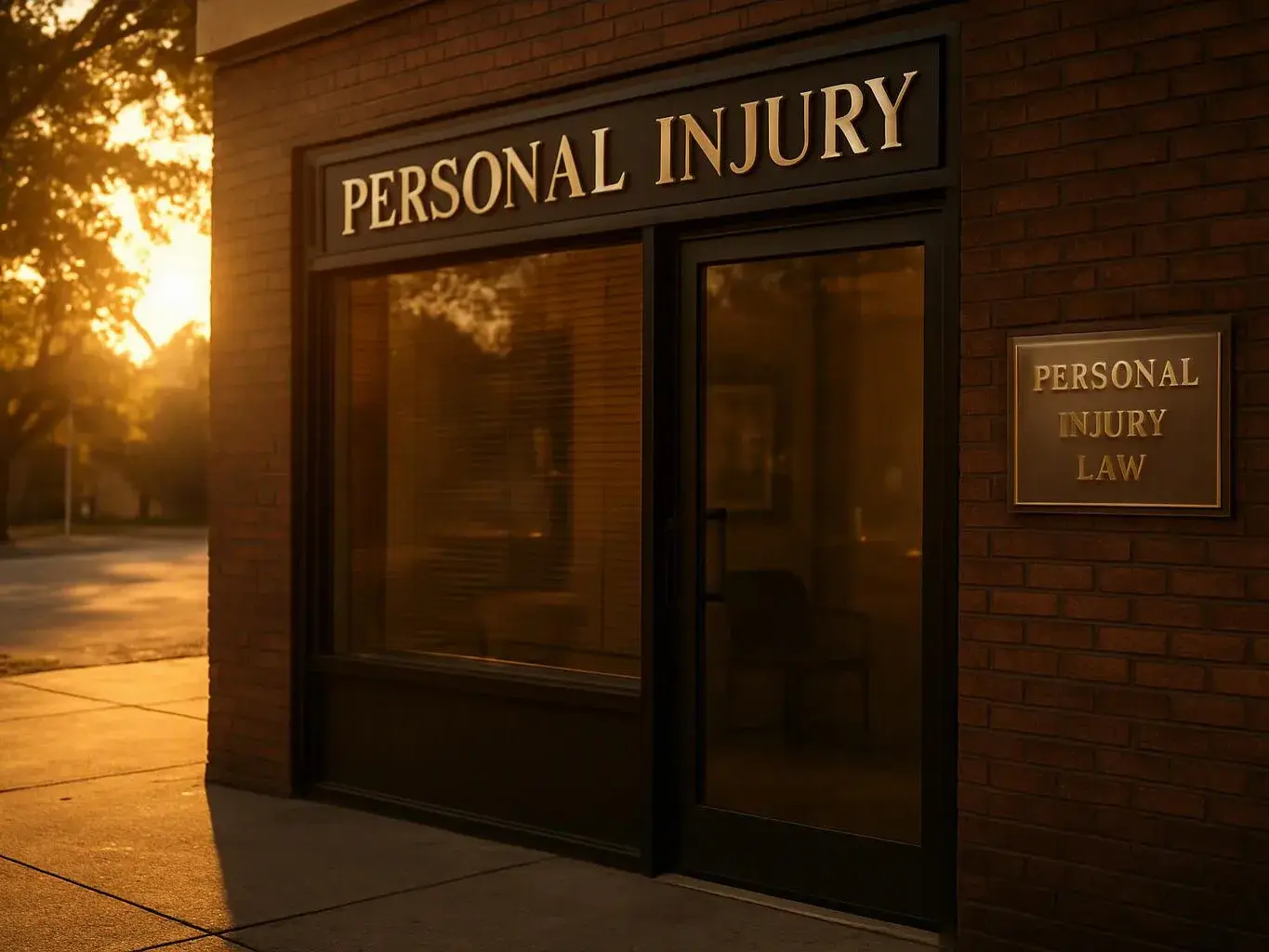
Brick office entrance with a glass door and signs reading "PERSONAL INJURY" and "PERSONAL INJURY LAW" at sunset

Service Overview

Brain injury claims are personal injury cases that seek compensation after an event harms the brain or causes related symptoms.

  • These claims differ from a routine vehicle damage claim because they focus on medical effects, lost income, pain, and long-term daily limits.
  • Atlanta Auto Law handles brain injury claims for people in Dunwoody and throughout metro Atlanta.

What This Legal Support Changes

A focused review helps separate ordinary vehicle damage from a claim involving brain injury symptoms.

Medical records and wage records give the claim a clearer factual base.

Insurance communication moves through one legal team, which reduces pressure on an injured person.

The claim accounts for daily limits, not only hospital bills.

Clients receive a free consultation before deciding how to proceed.

What Brain Injury Case Support Includes

Atlanta Auto Law provides comprehensive Brain Injury Claims in Dunwoody. Here's what you get:

  • We review the accident facts, medical records, and available insurance documents.
  • We gather evidence that helps connect the event to the brain injury.
  • We assess medical expenses, lost wages, pain and suffering, and related losses.
  • We handle insurance negotiation and prepare a demand letter when appropriate.
  • We explain settlement distribution and the next available legal steps.
  • We represent clients through mediation or trial when the case requires it.
Process

How We Handle Brain Injury Claims

1

Review the first account

We discuss what happened, when symptoms appeared, and what care followed. This first review helps identify the records and evidence the claim needs.

2

Gather medical and accident records

We collect available medical records, police records, treatment details, wage information, and insurance communications. The records help connect the injury to the event.

3

Assess accident-related losses

We examine medical expenses, lost wages, pain and suffering, and daily limits tied to the injury. Family observations can also help explain changes that records do not capture.

4

Handle insurance discussions

We communicate with insurers, prepare a demand letter when appropriate, and address disputed facts or a denied claim.

5

Pursue the legal resolution

We work through negotiation, discovery, mediation, or trial as the case requires. We explain each decision before moving forward.

How We Approach Brain Injury Cases

Records before conclusions

Medical records, police records, wage documents, and insurance letters shape the claim review. We do not treat a head injury as a simple property-damage matter.

Personal injury focus

Our practice represents people injured in motor vehicle accidents and other personal injury matters. Attorney Ronnie Mabra founded the firm in 2007 and brings personal injury attorney experience to this work.

A clear fit test

Brain injury representation is not the right service for a claim limited to vehicle repairs with no bodily injury. We focus on cases involving physical harm and related losses.

How Different Accident Sources Shape the Review

The event source changes which records and evidence receive the closest review.

Accident sourceRecords we reviewMain claim focus
Vehicle collisionPolice records, medical notes, insurance communicationsCrash facts, symptoms, medical expenses, and lost wages
FallIncident details, photographs, medical records, witness informationHow the fall happened and how symptoms affected daily life
Workplace accidentWork records, medical notes, employer documentsWork restrictions, lost wages, and the applicable claim path
Sports impactMedical records, witness details, event informationThe impact, symptom changes, and related treatment

The Atlanta Auto Law Standard

  • Clear Guidance
  • Individual Evaluation
  • Claims Investigation
  • Compassionate Support

Questions About Brain Injury Case Support

What accidents commonly cause brain injuries?

Sports impacts, vehicle collisions, falls, and workplace accidents commonly cause brain injuries. Atlanta Auto Law reviews how the event happened and what symptoms followed. Medical records, witness information, police records, and work documents can help connect the injury to the accident. A free consultation gives the injured person a place to discuss those facts.

Which records should I bring to a first consultation?

Medical records, accident reports, insurance letters, wage documents, and treatment bills help start a claim review. Bring photographs, witness details, and notes about symptoms when available. These materials help show what happened and how the injury affected work and daily life. Our team can identify additional records during the consultation.

How does a brain injury claim address lost wages?

Lost wages are addressed through work records, pay information, missed time, and medical restrictions. Treatment notes can explain why a person could not work or needed reduced duties. We compare those records with the accident history and insurance position. The claim can also address medical expenses, pain and suffering, and related losses.

When should I speak with an attorney after a head injury?

A person should speak with an attorney after receiving medical care and recognizing that symptoms or work limits continue. Early records can help preserve the facts needed for the claim. Write down symptom changes, keep treatment documents, and save insurer messages. We review the available information during a free consultation.

Why can a head injury matter without visible damage?

A head injury can matter even when scans or outside signs do not show the full problem. Symptoms such as poor focus, headaches, sleep changes, or memory trouble can affect daily life. Medical notes and consistent symptom reports help explain those effects. We assess the full record instead of focusing only on visible wounds.

What does insurance negotiation cover in these cases?

Insurance negotiation addresses fault, medical proof, lost income, pain, and other accident-related losses. Our team reviews insurer statements and responds to disputed facts or a denied claim. A demand letter may organize the evidence and losses for the carrier. Settlement decisions remain tied to the records and the client’s goals.

Can representation continue if medical treatment is still underway?

Yes, representation can begin while medical treatment is still underway. Ongoing care can add important information about symptoms and work limits. We track new records and discuss how treatment affects the claim. Clients should follow medical advice and preserve bills, notes, restrictions, and messages from insurers.
Contact

Discuss Brain Injury Claims in Dunwoody

Schedule a free consultation to review your symptoms, records, and accident-related losses. Urgent requests get priority scheduling.

The information on this website is for general informational purposes only and is not legal advice, does not create an attorney-client relationship, and may not reflect current law in Atlanta, Georgia, United States. Every situation is different; consult a licensed attorney about your specific matter. Prior results do not guarantee a similar outcome.

(678) 235-3870