Skip to content

Dangerous Drug Claims in College Park, Georgia

Treatment notes must connect the drug to the harm in College Park. We offer free consultations to discuss records, symptoms, and claim options.

Licensed & InsuredUpfront, Transparent PricingServing 55 CommunitiesMon-Sun: Open 24 hours

Quick Summary: Dangerous Drug Claims in College Park, Georgia

Dangerous Drug Claims in College Park are handled by Atlanta Auto Law for people harmed by unsafe or harmful medication. We review treatment notes, prescription records, pharmacy receipts, and medical records for clients throughout Atlanta, Fulton County, and nearby Georgia communities.

  • What we do: Atlanta Auto Law handles Dangerous Drug Claims for clients in College Park, Georgia, with a focus on treatment notes and medical evidence.
  • What is included: We review treatment notes, prescription records, pharmacy receipts, medical records, accident evidence, and insurance communications.
  • What you get: The client receives a clearer record of the harm, the evidence that supports it, and the legal options available.

What records help establish harm from a dangerous drug?

Treatment notes help establish harm by recording symptoms, diagnoses, medication changes, and the care linked to the drug. Prescription records and pharmacy receipts can show what was ordered and dispensed. Medical records add test results, hospital care, and follow-up findings. Together, these records help connect the medication to the injury.

Dangerous Drug Claims for College Park Medication Injuries

Dangerous drug claims focus on harm caused by a medication, its warning, its design, or its use. The work may involve a serious reaction, a new diagnosis, added treatment, or lasting health problems.

The key decision is whether the records support a clear link between the drug and the injury. We review the treatment history, prescription details, pharmacy records, medical findings, and communications with insurers before discussing the next step.

This service fits people and families who need help assessing a medication injury. It does not replace emergency medical care, and it is not the right service for an unrelated traffic collision, premises claim, or criminal matter.

  • Identify the medication, dose, prescribing source, and dates shown in the records.
  • Compare symptoms and diagnoses with treatment notes and follow-up care.
  • Collect prescription records, pharmacy receipts, and medical records.
  • Review insurance communications and other documents tied to the injury.
  • Discuss whether the available evidence supports a dangerous drug claim.
Two adults sit at a table, one writing in a notebook while they talk by a window with city buildings behind them

Service Overview

Dangerous drug claims are legal cases that seek accountability for harm linked to an unsafe, defective, or wrongly labeled medication.

  • These claims differ from ordinary accident claims because the evidence often focuses on drug records, medical history, warnings, and product conduct.
  • Atlanta Auto Law handles this work for clients in College Park and surrounding Fulton County communities.

What This Medication Claim Process Changes for You

A record review can show which facts support the link between the drug and the injury.

Organized medical evidence helps keep the claim focused on documented harm.

A clear timeline gives insurers and opposing parties a direct account of what happened.

Careful preparation helps protect your rights while you manage treatment and recovery.

Our legal guidance can reduce confusion about evidence, negotiation, and possible litigation.

The scope this service is meant to handle

A person in College Park develops new symptoms after taking a prescribed drug and receives follow-up care. We compare the prescription history with treatment notes, pharmacy receipts, and medical records, then assess whether the documents support a legal claim.

What Clients Get From This Claim Review

A focused record review

The first review centers on treatment notes, prescription records, pharmacy receipts, and medical records. We look for gaps and conflicts before building the claim. This service is the wrong fit when no drug-related injury is involved.

A claim built around medical proof

Medical findings carry more weight when they match the timeline of drug use and treatment. We organize those facts so the claim addresses the actual harm, not a broad description of illness.

Support through insurance discussions

Insurance companies may ask for records, statements, or explanations about prior health issues. We help manage those requests and assess whether a demand letter, negotiation, mediation, or trial is appropriate.

Process

How We Handle a Dangerous Drug Claim

1

Gather the medication records

We collect prescription records, pharmacy receipts, treatment notes, medical records, and insurer communications that relate to the drug and the injury.

2

Build the medical timeline

We place the prescription, use, symptoms, diagnoses, and follow-up care in order. This helps show what changed and when.

3

Assess the evidence

We review the records for a supported connection between the medication and the harm. We also identify missing documents and questions that need further review.

4

Prepare the claim

We organize the facts and supporting records for insurance negotiation, a demand letter, mediation, or litigation when the case requires it.

5

Discuss the legal path

We explain the available options, the issues that could affect the claim, and the next steps based on the records reviewed.

What Dangerous Drug Claims Include for Medication Injuries

Atlanta Auto Law provides comprehensive Dangerous Drug Claims in College Park. Here's what you get:

  • We review treatment notes that describe symptoms, diagnoses, medication changes, and follow-up care.
  • We examine prescription records to identify what was ordered, when it was ordered, and how it was used.
  • We organize pharmacy receipts that help confirm the medication dispensed and the purchase history.
  • We gather medical records that show testing, hospital care, referrals, and ongoing treatment.
  • We investigate the facts that connect the medication to the reported harm.
  • We negotiate with insurance companies and pursue litigation when the claim requires court action.

Records Used in a Medication Injury Review

Each record type answers a different question about the medication and the harm.

Record typeWhat it can showHow we use it
Treatment notesSymptoms, diagnoses, and care decisionsBuild the injury timeline
Prescription recordsMedication ordered and instructionsCheck the prescribed drug history
Pharmacy receiptsMedication dispensed and purchase dateConfirm the dispensing history
Medical recordsTesting, hospital care, and follow-upAssess documented harm and other causes

The Atlanta Auto Law Standard

  • Personalized Guidance
  • Evidence Investigation
  • Clear Communication
  • Client Advocacy

Questions About Medication Injury Claims

Who is a good fit for a dangerous drug claim?

People with documented medication-related harm are the main fit for this service. The review considers symptoms, diagnoses, prescriptions, pharmacy records, and follow-up care. Our team can also explain when a different legal service fits better, such as a car accident claim, premises liability matter, or medical malpractice case.

What happens at each stage of a dangerous drug claim?

The process moves from record collection to medical timeline review, evidence assessment, and claim preparation.

  1. We gather drug and medical records.
  2. We compare the medication history with the reported harm.
  3. We discuss negotiation, mediation, or litigation.

Each stage depends on the facts shown in the records.

What does the legal review look at first?

The first review looks at the medication, the reported symptoms, and the treatment that followed. We then check prescription records, pharmacy receipts, treatment notes, and medical records for matching dates and findings. This order helps us spot gaps before insurance discussions begin.

How do medical records affect a medication injury claim?

Medical records show the care, testing, diagnoses, and follow-up treatment tied to the reported injury. They can also reveal prior conditions or other causes that need review. We compare the records with prescription history and pharmacy information before explaining how they affect the claim.

Which documents should I bring to a consultation?

Prescription records, pharmacy receipts, treatment notes, medical records, and insurer letters are useful starting documents. Bring records from the time before the medication as well as records after symptoms began. Atlanta Auto Law can explain which gaps matter and what documents may still need to be requested.

Why should I keep pharmacy receipts after a drug injury?

Pharmacy receipts help confirm the medication dispensed and the date of purchase. They can support the prescription history when other records use different names or dates. Keep paper receipts, portal downloads, and related pharmacy messages so the full medication record is available for review.
Contact

Discuss Dangerous Drug Claims in College Park

Schedule a consultation with Atlanta Auto Law to review the medication records and discuss your legal options. Urgent requests get priority scheduling.

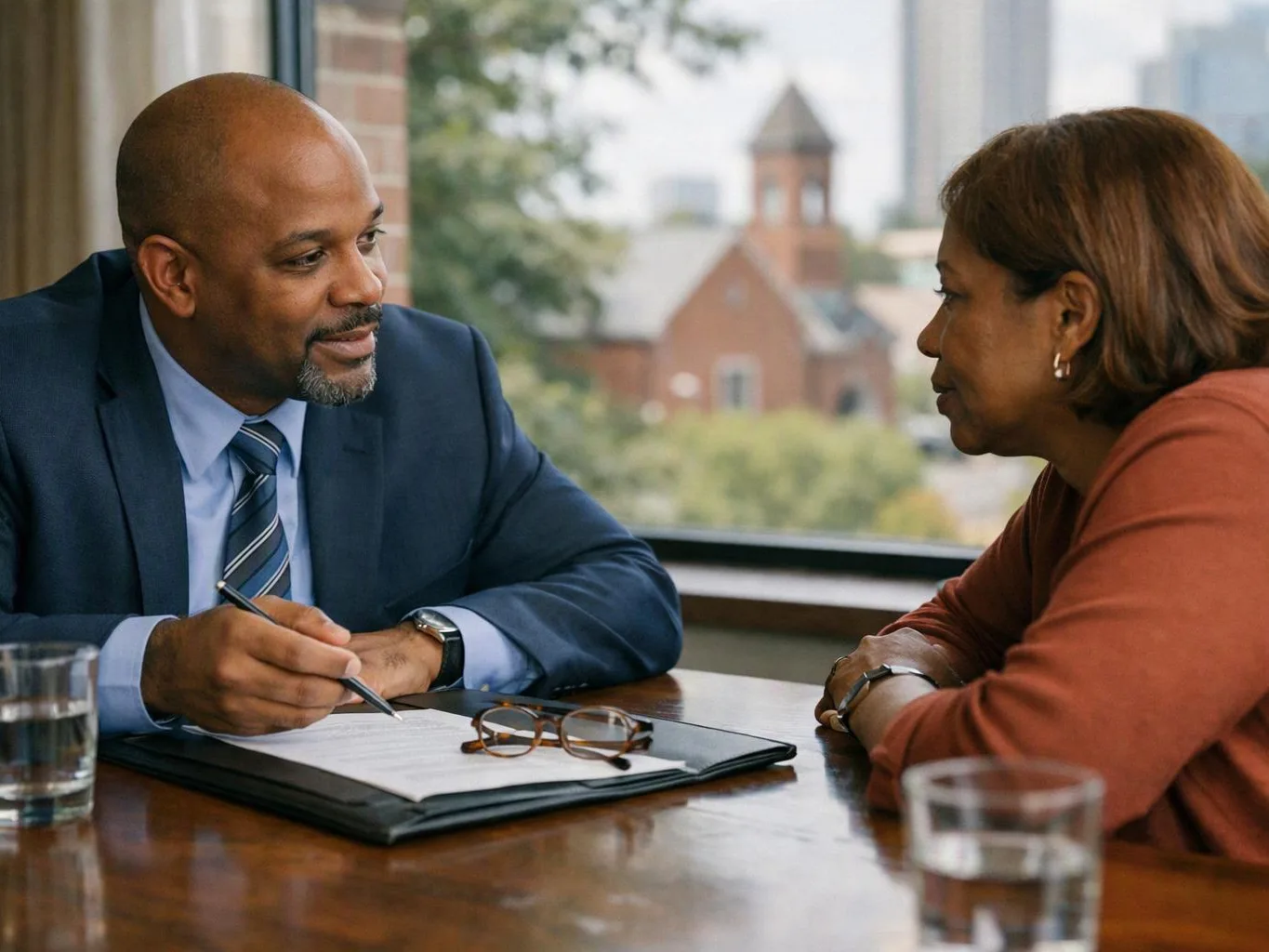
A man in a suit talks with a woman across a table, with papers, glasses, and water glasses in front of them

The information on this website is for general informational purposes only and is not legal advice, does not create an attorney-client relationship, and may not reflect current law in Atlanta, Georgia, United States. Every situation is different; consult a licensed attorney about your specific matter. Prior results do not guarantee a similar outcome.

(678) 235-3870