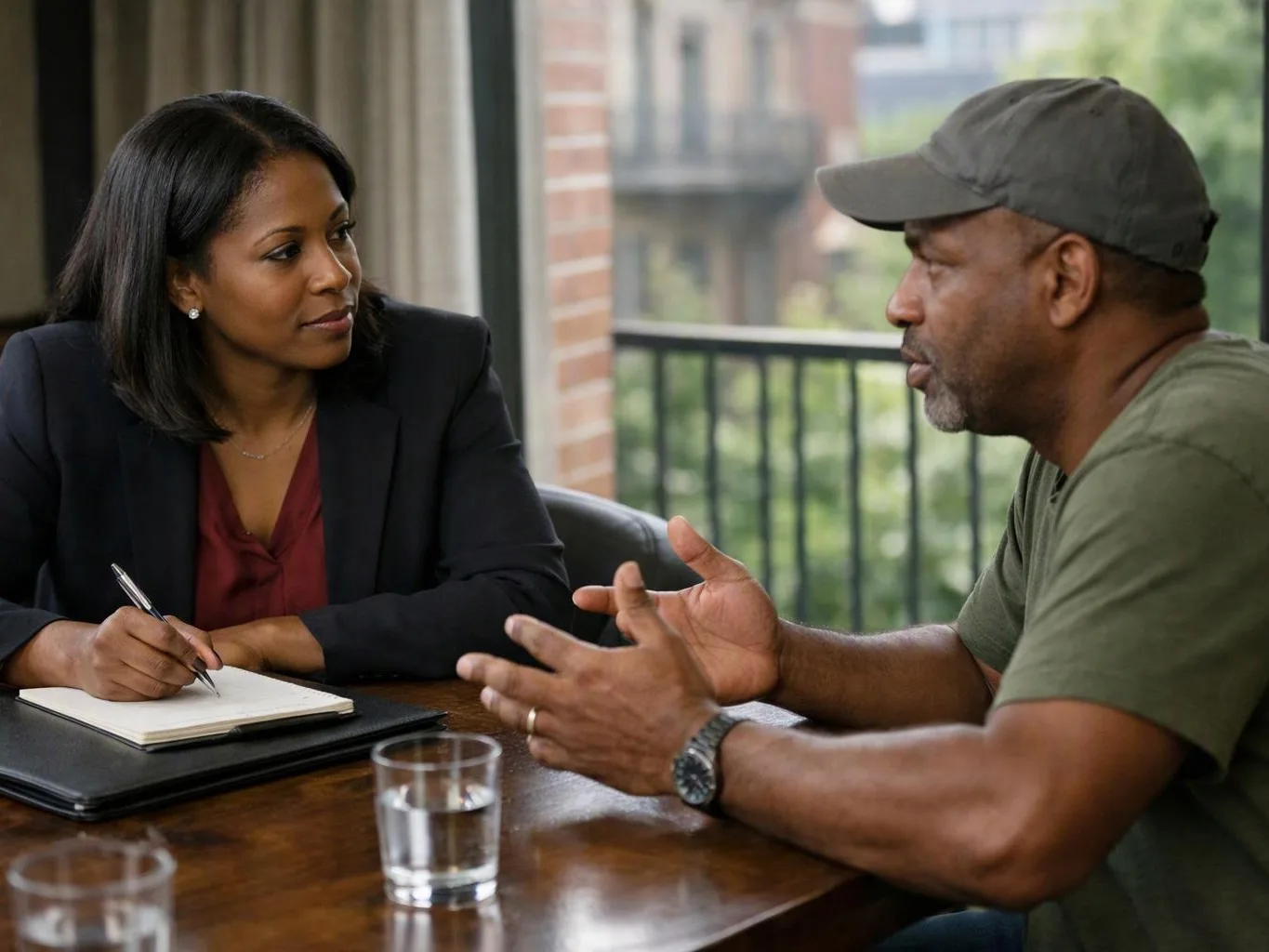
How do driver statements help prove a pedestrian collision?
Driver statements can support or weaken fault when they match independent evidence. Atlanta Auto Law compares each statement with the police report, crosswalk signals, footage, witness accounts, and medical records.
A changing account does not decide the claim by itself. The full record matters, including where the vehicle traveled, what the driver saw, and how the impact injuries match the reported event.
What should I bring to the first consultation?
Police records, medical records, insurance letters, wage information, photographs, and witness details give the review a useful starting point.
Clients can also bring notes about the crossing, the vehicle, the impact, and conversations with the driver or insurer. Missing records do not end the discussion, because our team can explain which documents need follow-up.
Which part of the evidence decides whether fault is disputed?
The strongest fault evidence often comes from the match between driver accounts, signal information, footage, witnesses, and the physical scene.
No single item decides every claim. Our team looks for gaps and conflicts, then explains how those issues affect negotiation or litigation. The review also considers whether medical records support the reported impact.
When should I speak with a personal injury attorney after a pedestrian crash?
You should seek legal guidance before giving a detailed statement to an insurer or accepting a fault decision.
Early review helps preserve footage, organize records, and address disputed facts while memories remain useful. Medical care should continue as directed, and clients should keep bills, treatment notes, wage records, and insurer messages.
Why can surveillance footage matter in a pedestrian claim?
Surveillance footage can show vehicle movement, signal timing, visibility, and the impact that written accounts cannot fully describe.
Recordings may come from nearby businesses or properties, so the source and availability matter. We review footage with the police report, witness information, and medical records instead of treating one video clip as the entire claim.
How does a pedestrian claim move from the first call to the last step?
The claim moves from intake and evidence gathering to insurance negotiation, mediation, or trial when needed.
We first review the collision and records. Then we assess fault and losses, prepare claim communications, and respond to the insurer. If negotiations do not resolve the matter, our team explains the litigation steps and the decisions required at each stage.