Skip to content

Truck Accident Claims in Clarkston, Georgia

Cargo loaders may share responsibility for a crash in Clarkston when unsafe loading affects the truck's balance or cargo security. We assess the loading work alongside driver, carrier, and vehicle issues.

Licensed & InsuredUpfront, Transparent PricingServing 55 CommunitiesMon-Sun: Open 24 hours

Quick Summary: truck collision claims in Clarkston, Georgia

Truck Accident Claims in Clarkston are handled by Atlanta Auto Law for people injured in commercial truck collisions. The work covers accident investigation, evidence gathering, insurance negotiation, and litigation across Atlanta, Fulton County, and nearby Georgia communities, with free consultations available.

  • What we do: Atlanta Auto Law provides Truck Accident Claims for injured people in Clarkston, Georgia after commercial truck collisions.
  • What is included: accident investigation, police and medical record review, evidence gathering, demand letters, insurance negotiation, mediation, and litigation.
  • What you get: Truck Accident Claims establish the parties and losses that support a personal injury claim.

Why might cargo loading cause a truck accident claim to become urgent?

Unsafe cargo placement can affect balance, braking, and control, while records may become harder to obtain as time passes.

Truck Accident Claims in Clarkston and the cargo responsibility question

This page addresses a focused question after a commercial truck crash: who may be responsible for the loading work. Cargo loaders, truck drivers, motor carriers, and vehicle manufacturers can have different roles, so one party's fault does not automatically settle the issue.

The loading record matters when cargo shifts, falls, or changes the truck's handling. We review available records, photos, witness accounts, police reports, medical records, and carrier documents to connect the loading condition to the collision.

The buyer decision is practical. If your injury involves a commercial truck, early legal review can help identify which parties and records belong in the claim. Atlanta Auto Law serves Clarkston, Atlanta, Fulton County, and nearby Georgia communities.

  • Identify whether cargo placement, weight distribution, or tie-downs affected the collision.
  • Separate the duties of cargo loaders, truck drivers, motor carriers, and vehicle manufacturers.
  • Collect police reports, medical records, photographs, witness details, and insurance communications.
  • Assess medical expenses, lost wages, vehicle damage, and long-term recovery needs.
  • Decide whether insurance negotiation, mediation, discovery, or litigation fits the claim.
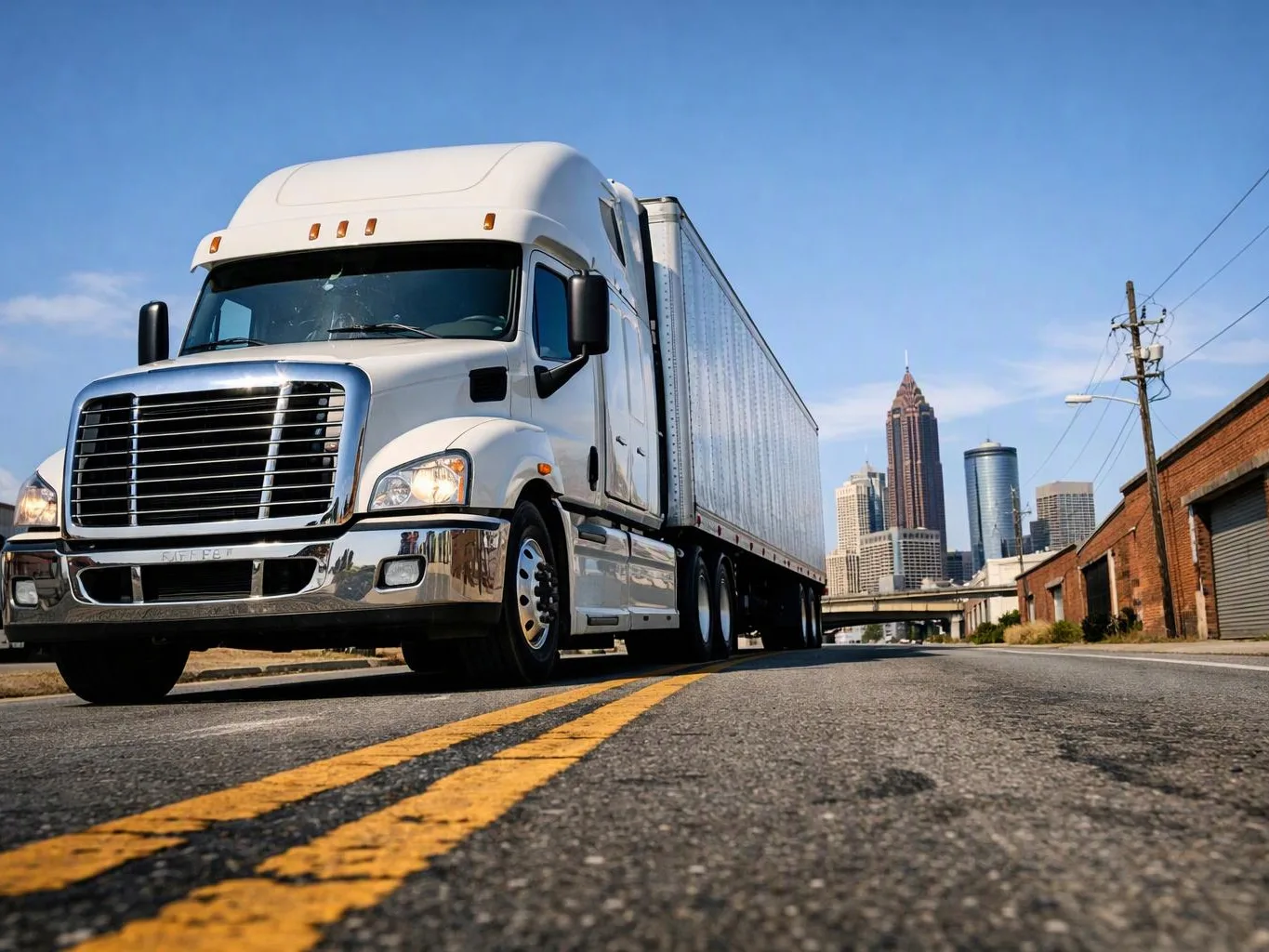
A white semi truck drives down an empty road with a city skyline in the background

Service Overview

Truck Accident Claims are legal matters that seek compensation after a commercial truck collision causes injury or loss.

  • These claims focus on truck crashes, while car accident claims involve passenger vehicles and different sources of evidence.
  • Atlanta Auto Law handles these claims for people in Clarkston and nearby Georgia communities.

What truck collision claim work includes

Atlanta Auto Law provides comprehensive Truck Accident Claims in Clarkston. Here's what you get:

  • We investigate the collision and examine how cargo handling may have affected the truck.
  • We gather police reports, medical records, photographs, witness information, and insurance documents.
  • We assess possible responsibility involving truck drivers, motor carriers, and vehicle manufacturers.
  • We prepare claim communications and demand letters for the insurance process.
  • We negotiate with insurance companies and pursue litigation when the claim requires it.
  • We explain legal options while addressing medical expenses, lost wages, vehicle damage, and recovery needs.

What this claim review helps you decide

A focused review can show whether cargo handling belongs in the responsibility analysis.

The record keeps separate duties from the driver, motor carrier, loader, and manufacturer.

Medical records and wage information help connect the collision to your losses.

Insurance negotiation gives the claim a structured path before litigation becomes necessary.

Careful case preparation helps you understand which documents and decisions matter next.

Process

How we handle a commercial truck collision claim

1

Review the first account

We discuss the collision, injuries, vehicle damage, treatment, work loss, and insurance contact during the consultation.

2

Gather the collision records

We collect police and medical records, photographs, witness details, insurance documents, and available trucking information.

3

Assess each party's conduct

We examine cargo handling, truck driver actions, motor carrier duties, and possible vehicle manufacturer issues.

4

Build the demand record

We organize the injury evidence, financial losses, vehicle damage, and legal position for insurance negotiation. Free consultations help you discuss the claim before choosing the next step.

5

Pursue negotiation or litigation

We negotiate with insurers and pursue discovery, mediation, or trial when the claim requires court action.

How we approach commercial truck responsibility

Trace the loading decision

The loading record may show where cargo was placed, how it was secured, and whether that condition affected control. This service is a poor fit when no truck collision or personal injury claim exists.

Separate each party's role

Truck drivers, motor carriers, cargo loaders, and vehicle manufacturers can face different questions. We match each question to the records and facts available.

Prepare the claim record

We organize police and medical records, wage information, vehicle damage details, and insurance communications before negotiation or litigation.

Who may have a role in a truck collision claim?

Different parties raise different questions, so the claim record must match the responsibility being examined.

Potential partyQuestion examinedRecords that may matter
Truck driverDid driving conduct contribute to the collision?Police report, witness accounts, and insurance records
Motor carrierDid the carrier's duties or records affect the claim?Carrier documents, insurance communications, and driver information
Cargo loaderDid loading or restraint issues affect truck control?Loading details, photographs, witness accounts, and cargo records
Vehicle manufacturerDid a vehicle or equipment defect contribute to the crash?Vehicle damage records, photographs, and available equipment information

The Atlanta Auto Law Standard

  • Personalized Guidance
  • Evidence Investigation
  • Clear Communication
  • Client Advocacy

Questions about truck collision claims and responsibility

Who may be responsible for a commercial truck accident?

Cargo loaders may share responsibility when unsafe loading contributes to the collision, and Atlanta Auto Law investigates that role. Truck drivers, motor carriers, and vehicle manufacturers may also matter, depending on the facts. We compare the loading condition, driver conduct, carrier records, and equipment evidence before presenting a claim.

How does a truck claim move from the first call to the last step?

The claim moves from consultation to investigation, record gathering, responsibility review, insurance negotiation, and possible litigation. We start with the collision account and available medical records. Next, we organize supporting evidence and prepare the demand. Mediation, discovery, or trial may follow when negotiation does not resolve the dispute.

Which records should I bring to the first consultation?

Police reports, medical records, photographs, insurance letters, wage information, and vehicle damage records help start the review. Bring contact details for witnesses and any messages from an insurer. We can identify other useful records after hearing how the collision happened and how the injuries affected your work and daily life.

What part of cargo handling can change the work needed?

Cargo placement, weight distribution, and tie-down condition can change which records and parties require review. A shifted load may raise different questions from cargo that fell because of a damaged restraint. We examine the available loading details, crash photographs, witness accounts, and carrier documents before deciding how broadly to pursue the claim.

When does a truck claim fit a personal injury attorney?

A truck claim fits a personal injury attorney when a commercial collision causes injury, financial loss, or disputed responsibility. The service also fits claims involving medical bills, lost wages, vehicle damage, or long-term recovery needs. A vehicle-only dispute without a personal injury issue may require a different legal assessment.

Why should I contact an attorney before finishing medical treatment?

You can seek legal guidance before medical treatment ends because early records and claim communications still matter. Treatment should follow medical advice, not settlement pressure. We track available diagnoses, bills, work loss, and recovery needs while the claim develops, then explain what additional information the case may require.

How do Georgia fault rules affect a truck collision claim?

Georgia fault rules can affect how responsibility and compensation are assessed among the parties. The claim may involve the injured person, driver, carrier, loader, or manufacturer. We review the collision facts and available evidence before explaining how fault issues may shape negotiation or litigation.
Contact

Discuss a truck collision claim in Clarkston

Schedule a consultation with Atlanta Auto Law to review the collision and possible responsibility. Urgent requests get priority scheduling.

Car key, eyeglasses, and an appointment card rest on a folder on a wooden table by a window

ZIP Codes We Serve in Clarkston, Georgia

30021

The information on this website is for general informational purposes only and is not legal advice, does not create an attorney-client relationship, and may not reflect current law in Atlanta, Georgia, United States. Every situation is different; consult a licensed attorney about your specific matter. Prior results do not guarantee a similar outcome.

(678) 235-3870