
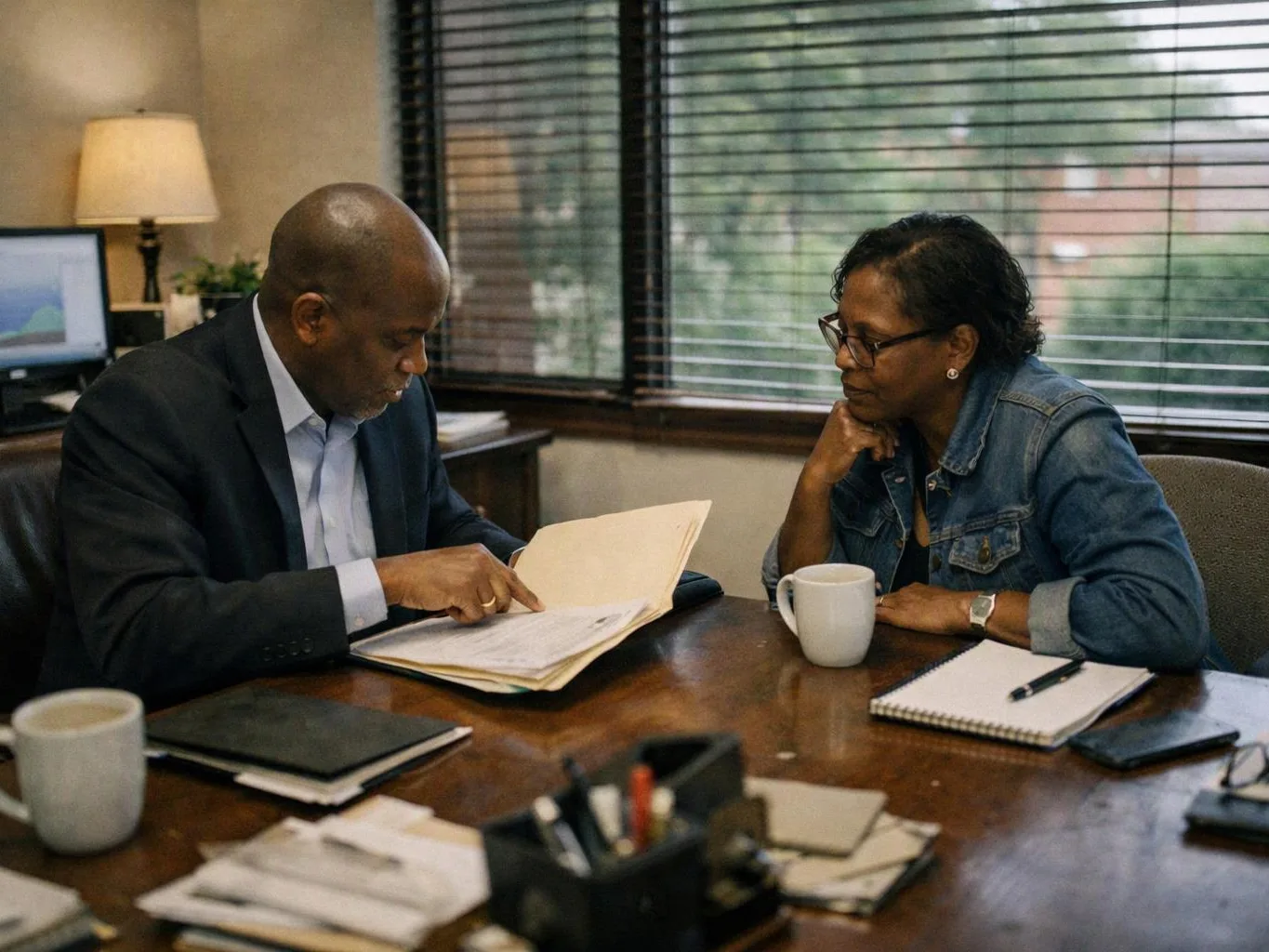
Review the accident and symptoms
We discuss what happened, when symptoms began, and how the injury affects work and daily life.
We investigate brain injury claims and explain the legal options that may support fair compensation. Free consultations are available.
A claim can bring medical effects and financial losses into one organized case.
Careful documentation can show how symptoms affect work and daily life.
Evidence gathering gives insurers a clearer record of the accident and injury.
Legal preparation helps address future recovery needs alongside current expenses.
Traumatic Brain Injury Claims are legal claims that seek compensation for harm caused by a head injury after negligence.

A traumatic brain injury claim links the accident to a diagnosed injury and its effects. Those effects may include medical expenses, lost wages, pain, vehicle damage, and long-term recovery needs. The work often starts with police and medical records, treatment notes, witness information, and insurance documents. We compare the evidence with the symptoms and losses described by the client. Brain injuries can affect a person after the first medical visit. Our deeper focus is measurement. We track how symptoms affect work, memory, daily tasks, relationships, and future care so the claim reflects more than the first bill. Every case has limits. Medical proof, accident facts, fault, insurance coverage, and the client’s losses shape the claim. We explain those factors before pursuing insurance negotiation, mediation, or litigation.
We discuss what happened, when symptoms began, and how the injury affects work and daily life.
We collect relevant treatment records, police records, wage information, insurance documents, and other proof tied to the claim.
We organize medical needs, lost wages, vehicle damage, daily limits, and long-term recovery concerns.
We negotiate with insurers and explain settlement options. Free consultations help clients discuss the matter before choosing next steps.
When necessary, we use discovery, mediation, and litigation to present the evidence and pursue fair compensation.
Bring what you have, and our team will explain what information matters next.
We investigate the accident, collect medical records, and connect documented symptoms with the claim’s supporting evidence.
We examine each client’s symptoms, work limits, treatment needs, and daily changes when preparing the claim.
We advocate during insurance negotiations and legal proceedings by presenting the injury evidence and documented losses.
Are symptoms or daily changes affecting your claim? Schedule a consultation with Atlanta Auto Law, and urgent requests get priority scheduling.

A person may feel shaken after a collision, then notice headaches, memory gaps, or mood changes later. The timing and pattern of those symptoms matter, along with medical care and work records. Write down changes as they happen, seek medical attention, and bring the records to a consultation so we can assess the claim.
An insurer may focus on the first examination and overlook problems that continued afterward. Brain injury claims need a clear link between the accident, treatment, symptoms, and daily limits. Keep every medical note and insurance letter, and avoid giving a recorded statement before you understand what the claim requires.
A head injury can affect concentration, memory, sleep, or mood, which may change a person’s work and family duties. Those effects should be recorded with specific examples and supported by medical evidence. Ask family members about observed changes, preserve wage records, and discuss the full impact during a consultation.





The information on this website is for general informational purposes only and is not legal advice, does not create an attorney-client relationship, and may not reflect current law in Atlanta, Georgia, United States. Every situation is different; consult a licensed attorney about your specific matter. Prior results do not guarantee a similar outcome.
(678) 235-3870