Skip to content

Traumatic Brain Injury Claims in Norcross, Georgia

Work limitations can change the claim’s scope when they need replacement or adjustment, and we assess that issue for clients in Norcross. Free consultations are available from Georgia-licensed legal professionals.

Licensed & InsuredUpfront, Transparent PricingServing 55 CommunitiesMon-Sun: Open 24 hours

Quick Summary: Brain Injury Claims in Norcross, Georgia

Traumatic Brain Injury Claims in Norcross are handled by Atlanta Auto Law for clients across Atlanta, Fulton County, and nearby Georgia communities. The service covers investigation, medical records, insurance negotiation, and litigation when needed.

  • What we do: Atlanta Auto Law handles Traumatic Brain Injury Claims for clients in Norcross, Georgia, including accident investigation, evidence gathering, and insurance negotiation.
  • What is included: We review treatment history, rehabilitation records, care assessments, work limitations, medical expenses, and lost wages.
  • What you get: The client receives a clear claim strategy based on documented injury effects, financial losses, and available case evidence.

How are long-term effects of brain injuries documented?

Long-term effects are documented through work limitations, treatment history, rehabilitation records, and care assessments. These records show how the injury affects job duties, daily tasks, medical needs, and future support. Atlanta Auto Law gathers and reviews those materials as part of the claim investigation.

Traumatic Brain Injury Claims in Norcross and the Work Evidence They Require

A brain injury claim focuses on how the injury changes a person’s life, not only on the first medical visit. The buyer’s key decision is whether the available records show lasting effects and support a complete claim.

Work limitations deserve careful review when job duties change or a person cannot return to the same role. We compare treatment history with rehabilitation records and care assessments, then connect those records to lost wages, medical expenses, and long-term recovery needs.

The claim may involve a car accident, truck collision, motorcycle crash, or rideshare accident. It may be the wrong service when the matter concerns only vehicle damage and no personal injury.

  • Review the accident facts and medical records.
  • Compare treatment history with rehabilitation records.
  • Document changes in work duties and income.
  • Assess care needs and future recovery concerns.
  • Prepare insurance negotiations and litigation materials when needed.
Two orange armchairs face a small round table in a softly lit room by a window

Service Overview

Traumatic brain injury claims are legal claims that seek compensation for harm caused by an injury to the brain after an accident.

  • These claims differ from a simple vehicle damage claim because they address medical care, lost wages, lasting work limits, and future support needs.
  • Atlanta Auto Law handles these claims for clients in Norcross and nearby Georgia communities.
Process

How We Build a Brain Injury Claim

1

Review the accident and intake records

We begin with the accident facts, police records, medical records, and the client’s account of what changed.

2

Map the injury through treatment

We organize treatment history and rehabilitation records to track care, progress, and continuing limits.

3

Assess work and care effects

We review job duties, lost wages, work limitations, and care assessments to document practical effects.

4

Prepare the insurance position

We gather supporting evidence and prepare the claim for insurance negotiation, mediation, or litigation.

5

Discuss the next legal step

We explain the available path, answer questions, and provide support throughout the claim.

How We Approach Brain Injury Claim Decisions

Work impact needs direct proof

Work limitations are stronger when records explain the job duties affected and the changes required. We compare those limits with treatment history and wage records.

Care needs may extend beyond treatment

Rehabilitation records and care assessments help show support needs after active treatment. Our Georgia-licensed legal professionals review these records as part of careful case preparation.

The service must fit the legal problem

This service fits an injury claim tied to an accident or negligence. It is the wrong job for a vehicle damage dispute with no physical injury or related loss.

What This Claim Work Changes for You

A structured record connects the injury to daily and work-related limits.

Care assessments help explain support needs that may continue after treatment.

Medical expenses and lost wages receive focused review during claim preparation.

Insurance discussions are based on records instead of a brief account of symptoms.

The same preparation can support negotiation, mediation, or litigation.

What Brain Injury Claim Help Includes

Atlanta Auto Law provides comprehensive Traumatic Brain Injury Claims in Norcross. Here's what you get:

  • We investigate the accident and gather available evidence.
  • We review police records, medical records, and treatment history.
  • We examine rehabilitation records and care assessments for lasting effects.
  • We document how the injury affects work duties and lost wages.
  • We negotiate with insurance companies about supported losses.
  • We pursue litigation when the claim requires court action.

The Atlanta Auto Law Standard

  • Personalized Guidance
  • Evidence Investigation
  • Clear Communication
  • Client Advocacy

Questions About Brain Injury Claim Evidence

What should I bring to a first consultation?

Accident details, medical records, treatment history, wage information, and insurance communications help start the review. Bring rehabilitation records and care assessments when available. A complete intake lets us identify the injury issues, missing documents, and next steps without requiring treatment to be finished.

Which part of the work record decides the claim’s focus?

Job duties decide which work effects need the closest review. A record should explain the tasks affected, changes made, missed work, and related wage loss. We compare that information with medical and rehabilitation records to connect the work problem to the brain injury.

Which record changes the legal review most?

A detailed treatment history often changes the legal review because it shows the injury’s course and related care. Rehabilitation records and care assessments add detail about function and support. We review the records together because no single document explains every effect.

How does a claim move from the first call to the last step?

Atlanta Auto Law moves the claim through intake, investigation, record review, insurance negotiation, and litigation when needed. We gather police and medical records, assess work and care effects, and explain each legal option. The final step may involve settlement discussions, mediation, or court proceedings.

Can I pursue a claim before medical treatment ends?

Yes, a claim review can begin before medical treatment ends. Early work includes preserving records, reviewing the accident, and tracking treatment and work changes. We avoid treating an unfinished recovery as complete, because later records may change the claim’s documented needs.

What does a personal injury attorney handle beyond insurance talks?

A personal injury attorney also investigates the accident, gathers records, assesses losses, prepares legal demands, and pursues litigation when needed. Atlanta Auto Law reviews medical expenses, lost wages, care needs, and work effects as part of the claim. Each case requires evidence tied to the client’s injury.
Contact

Discuss Your Brain Injury Claim in Norcross

Schedule a consultation about your claim, and urgent requests get priority scheduling.

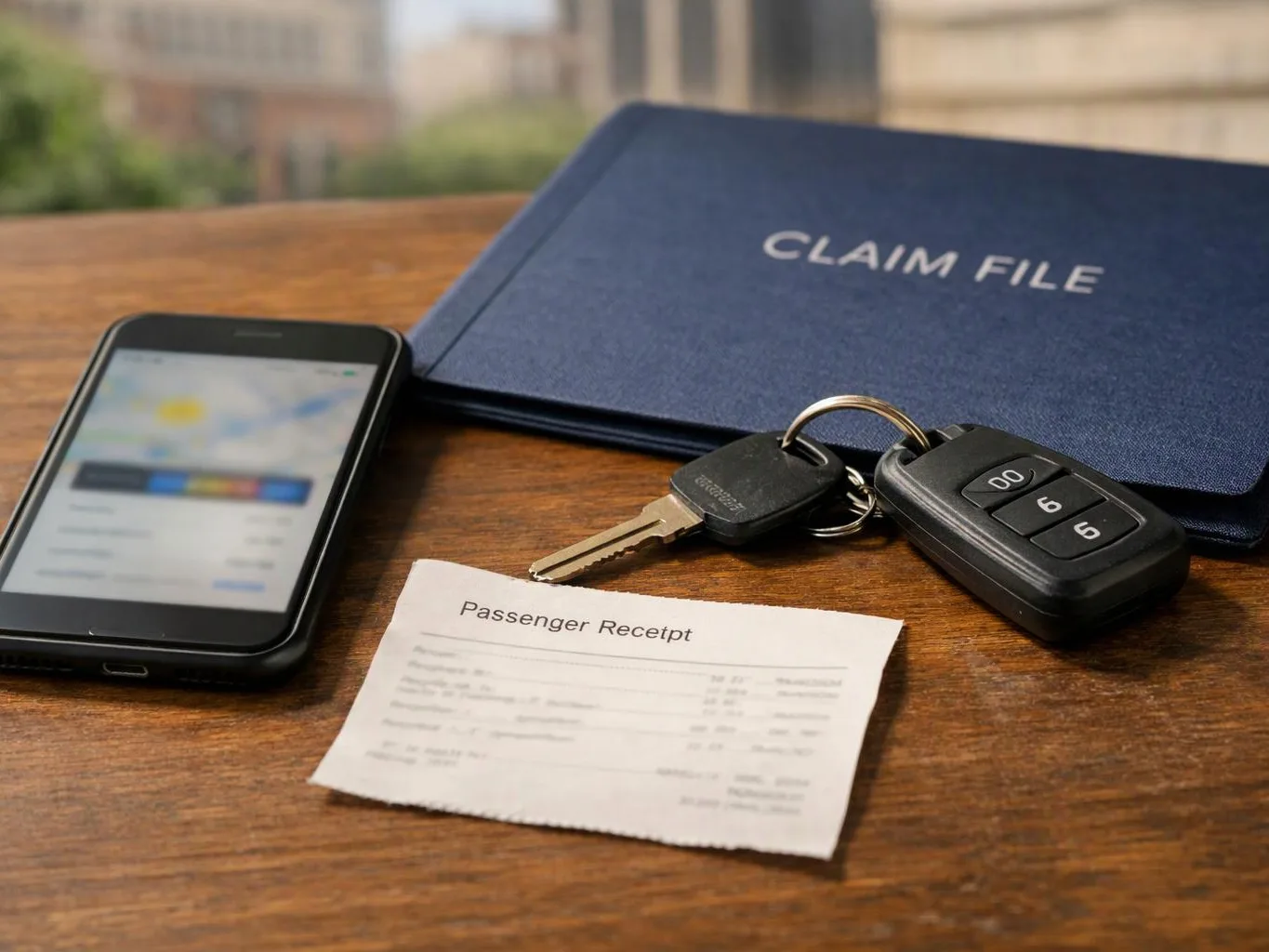
A smartphone, keys, a receipt, and a blue claim file lie on a wooden table

ZIP Codes We Serve in Norcross, Georgia

3000330010300713009130093

Traumatic Brain Injury Claims in Other Areas

The information on this website is for general informational purposes only and is not legal advice, does not create an attorney-client relationship, and may not reflect current law in Atlanta, Georgia, United States. Every situation is different; consult a licensed attorney about your specific matter. Prior results do not guarantee a similar outcome.

(678) 235-3870