
What Is a Pressure Sore?
Pressure Sore is a localized injury to skin and underlying tissue caused by sustained pressure, friction, or shear. These injuries often develop over areas where bone lies close to the skin, such as the hips, heels, or tailbone. In nursing home claims, a pressure sore may raise questions about care, monitoring, treatment, and prevention.
Quick Facts About Pressure Sore
Category
Nursing home injury
Used for
Evaluating possible care failures
Common confusion
Not every pressure sore proves negligence
Also called
Bedsore, Pressure Ulcer
Often discussed with
Nursing Home Abuse Claims
Key Takeaways About Pressure Sore
- Pressure sores often form near prominent bones.
- Care records can show changes in the wound and response.
- A pressure sore is not automatically proof of neglect.
How Pressure Sore Works
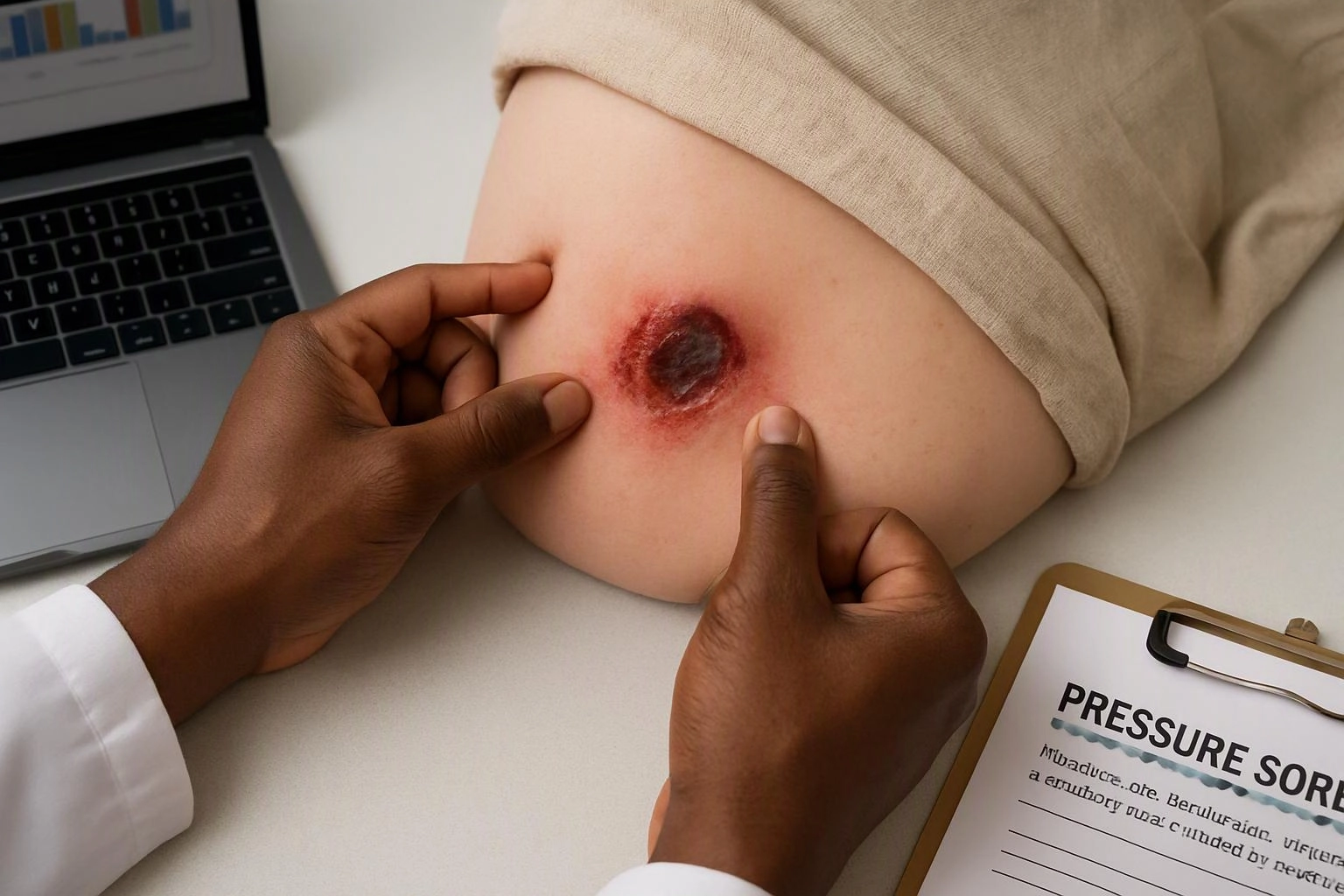
A Pressure Sore develops when pressure or related movement limits blood flow to tissue. Friction can damage the skin surface, while shear can stretch and injure deeper layers. The wound may begin with a change in skin color or texture before becoming more serious.
Related glossary terms: Medical Records, Duty of Care, Damages.
In a nursing home claim, the condition is examined alongside the resident’s mobility, nutrition, continence, medical history, and care plan. Medical Records may show when staff noticed the injury, what treatment followed, and whether the condition changed over time. Care notes, repositioning records, photographs, and statements from witnesses can help establish the sequence of events. The legal question is whether the facility met its duty of care under the circumstances, not whether the injury alone proves fault.
From the Atlanta Auto Law team
When we review a pressure sore claim, we compare the wound’s documented progression with care plans, nursing notes, treatment records, and facility communications. We also examine whether records show changes in mobility, nutrition, or health that staff should have recognized. This review helps separate the injury itself from the facts that may support a negligence claim.
Pressure Sore in Practice: A Real-World Example
A nursing home resident develops a sore near the tailbone after becoming unable to move independently. The claim may focus on whether staff recognized the resident’s risk, followed the care plan, documented changes, and arranged appropriate treatment.
Related Services
Related Terms
Medical Records
Medical Records are written, electronic, or recorded details about a patient’s care, condition, testing, treatment, and…
Duty of Care
Duty of Care is a legal responsibility to act with reasonable caution toward people who could…
Damages
Damages are the monetary losses and nonfinancial harms that a person or family may seek in…
Expert Witness
An Expert Witness is a qualified professional who explains specialized knowledge to help evaluate disputed facts…
Atlanta Auto Law
Have Questions About Pressure Sore?
Contact Atlanta Auto Law for practical guidance on Pressure Sore and related personal injury attorney work in Atlanta.