Who may be liable for an electrocution injury?
Contractor negligence may create liability when unsafe work or missed safety steps causes an electrical injury. Atlanta Auto Law also reviews property owner control, utility company conduct, and equipment manufacturer defects. Contracts, maintenance records, incident reports, and medical records help show each party's connection to the harm.
What should I ask before agreeing to legal representation?
A consultation should explain the possible liable parties, the planned investigation, the fee agreement, and the next decision point. Ask which records matter and how the firm will handle insurer contact. Atlanta Auto Law uses free consultations to discuss those issues before representation begins.
Which property condition can change the claim review?
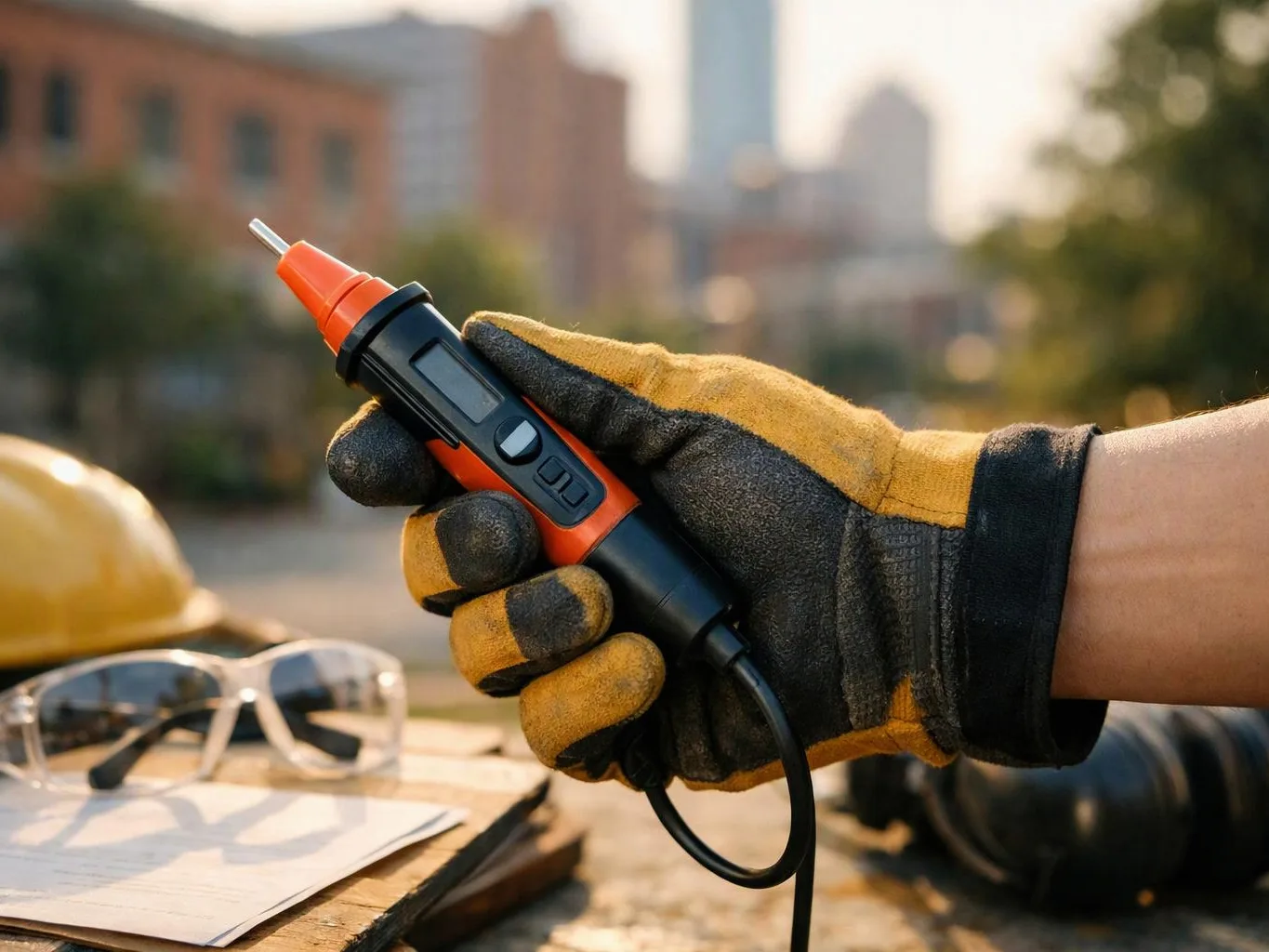
An exposed wire, damaged fixture, missing guard, or altered electrical equipment can change the claim review. The condition matters because ownership, notice, repair duties, and contractor control may differ. Preserve photographs and report details before the area is repaired or changed.
How is responsibility matched to the property before work starts?
Responsibility is matched by identifying who owned, occupied, managed, repaired, supplied, or controlled the electrical area. We compare contracts, maintenance records, work orders, and incident reports. That review helps distinguish a contractor claim from premises liability or product liability.
When should I speak with an attorney after an electrical injury?
You should seek legal guidance after receiving medical care and preserving the basic accident records. Early review helps protect photographs, equipment, witness details, and insurance communications. Treatment can continue while the claim is assessed, and the available evidence can change as the site is repaired.
Why might a utility company be part of the claim?
A utility company may become relevant when its equipment, service connection, power handling, or notice of a dangerous condition relates to the injury. The records must connect that conduct to the event. We review the site facts and available utility documents before assigning responsibility.
What happens if an insurer denies the injury claim?
An insurer denial does not end the legal review. We examine the denial, policy position, medical records, incident facts, and evidence tied to liability. The next step may include a demand response, further negotiation, mediation, discovery, or litigation, depending on the claim record.