Understanding Settlement Demand Letter
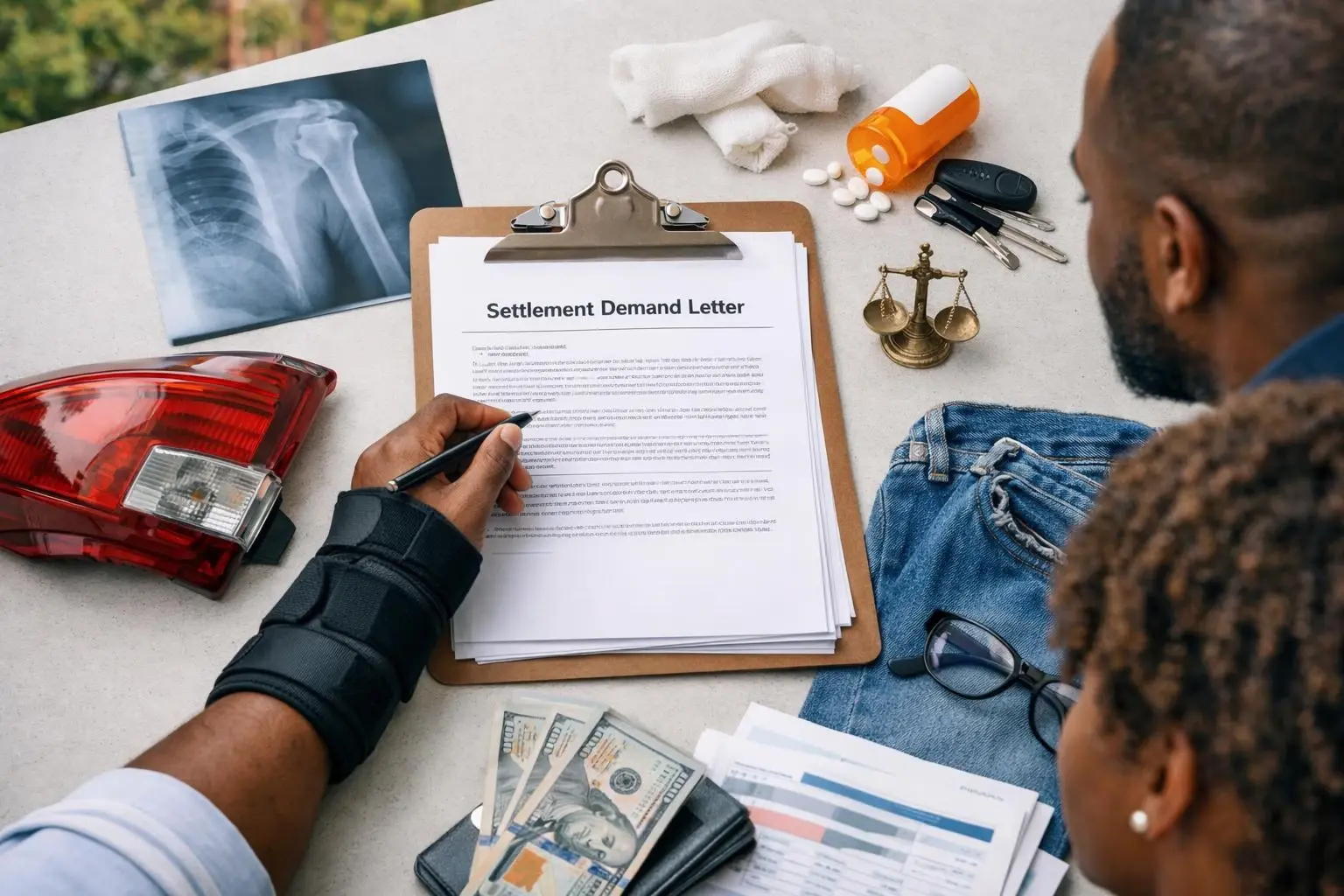
A Settlement Demand Letter is a critical document in personal injury cases. It's sent by the injured party—or more commonly, their attorney—to the insurance company of the person or entity responsible for the injury. The purpose of the letter is to present a clear, organized case for why the injured party deserves compensation. Unlike informal conversations or phone calls, the demand letter creates a written record that can be referenced throughout negotiations.
Related glossary terms: Economic Damages, Non-Economic Damages, Comparative Negligence.
The letter typically begins with a summary of the accident, including the date, location. And how it occurred. It then describes the injuries sustained, the medical treatment received. And the impact on the injured party’s daily life. This section is supported by evidence such as police reports, photographs, medical records. And witness statements. The goal is to establish liability—that's, to show that the other party was at fault. And to demonstrate the extent of the harm caused.
How Settlement Demand Letter Works?
The Settlement Demand Letter follows a structured format to get the most from its effectiveness. After summarizing the accident and injuries, the letter provides a detailed breakdown of the financial compensation being demanded. This usually includes economic damages, such as medical bills, lost wages. And property damage, as well as non-economic damages like pain and suffering. The letter may also reference applicable laws or legal precedents to strengthen the claim.
Once the insurance company receives the demand letter, it reviews the evidence and the requested amount. The adjuster assigned to the case may respond with a counteroffer, which is typically lower than the initial demand. This begins a back-and-forth negotiation process. If the parties reach an agreement, the case is settled without going to court. If not, the injured party may choose to file a lawsuit to pursue compensation through litigation. The demand letter often serves as a roadmap for these negotiations, as it clearly outlines the injured party’s position and expectations.
The tone and content of the demand letter can significantly influence the outcome. A letter that is well-researched, professional. And backed by strong evidence is more likely to result in a favorable settlement. Conversely, a poorly written letter with gaps in evidence or exaggerated claims can weaken the injured party’s position and lead to lower offers or outright denial.
Why Settlement Demand Letter Matters?

The Settlement Demand Letter is a powerful tool in personal injury cases because it sets the stage for all future negotiations. It provides the insurance company with a full overview of the case, including the strengths of the injured party’s claim and the weaknesses of the at-fault party’s defense. By presenting this information upfront, the demand letter can encourage the insurance company to take the claim seriously and make a reasonable offer.
For the injured party, the demand letter also serves as a way to assert control over the process. Instead of waiting for the insurance company to dictate the terms of the settlement, the injured party proactively defines the narrative and the value of the claim. This can lead to faster resolutions and better outcomes, as insurance companies are often more willing to negotiate when faced with a well-documented demand.
When Settlement Demand Letter Matters Most?
A Settlement Demand Letter is most important in cases where the injuries are significant, the liability is clear. And the insurance company is likely to contest the claim. For example, in car accidents resulting in serious injuries, the demand letter helps the injured party communicate the full extent of their damages, including ongoing medical treatment and long-term impacts on their quality of life. Without a demand letter, the insurance company may lowball the claim or delay the process, leaving the injured party without fair compensation.
The demand letter also becomes critical when the statute of limitations, the legal deadline for filing a lawsuit, is approaching. Sending a demand letter early in the process allows time for negotiations before the injured party is forced to take legal action. And in cases involving multiple parties or complex liability issues, the demand letter can help clarify the injured party’s position and simplify the negotiation process.
In Georgia, where traffic accidents are common, the demand letter is a routine part of personal injury claims. It helps injured parties navigate the state’s legal requirements and ensures that their rights are protected throughout the negotiation process.