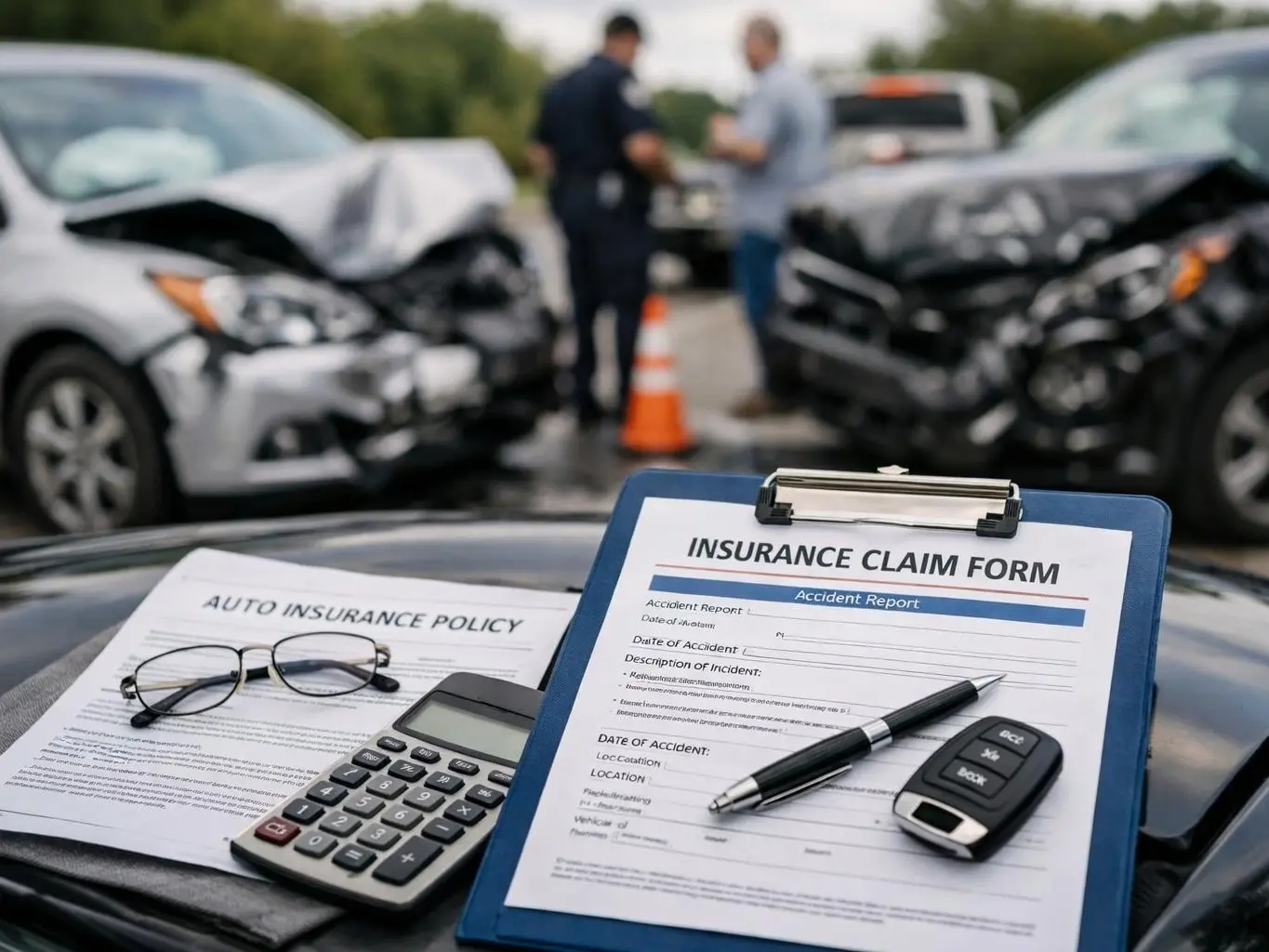
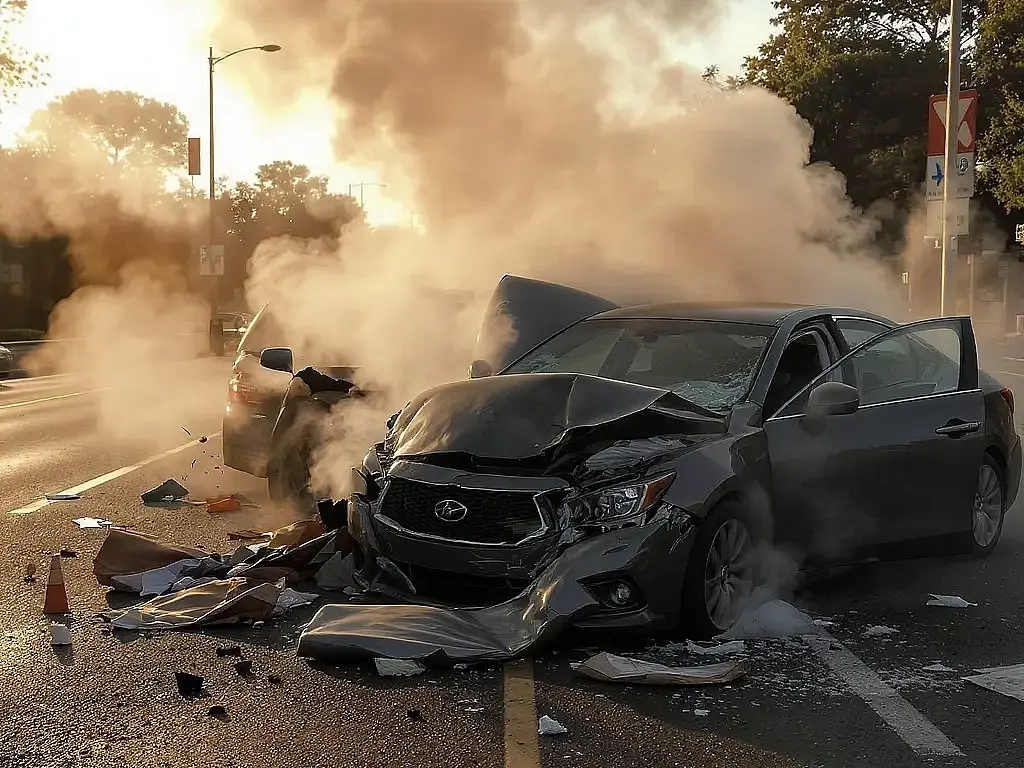
Understanding Event Data Recorder

An Event Data Recorder (EDR) is a small electronic device built into most passenger vehicles manufactured since the early 2000s. Think of it as a vehicle’s version of an airplane’s black box. Though it's not designed to survive extreme conditions like fire or deep submersion. Instead, the EDR quietly monitors and stores critical data about how the vehicle is being driven, focusing on the moments immediately surrounding a crash. This includes details like how fast the vehicle was traveling, whether the brakes were applied, if the accelerator was pressed. And whether seatbelts were fastened.
The EDR doesn't record audio or video, nor does it track the vehicle’s location over time. Its primary purpose is to capture a snapshot of the vehicle’s mechanical and safety systems in the seconds before, during. And after a collision. This snapshot is stored in the vehicle’s onboard computer and can be downloaded using specialized tools. Because the data is technical and machine-generated, it provides an objective record that can help clarify what happened in an accident, especially when driver accounts differ or the cause of the crash is disputed.
How Event Data Recorder Works?
The EDR is integrated into a vehicle’s airbag control module or powertrain control module, depending on the make and model. It continuously monitors a set of predefined parameters, such as vehicle speed, engine RPM, throttle position. And brake status. Under normal driving conditions, the EDR does not save this data. Instead, it operates in a "rolling buffer" mode, where it temporarily holds the most recent seconds of data and overwrites it as new data comes in. That way the device does not fill up with irrelevant information.
When the EDR detects a triggering event—such as a sudden deceleration, airbag deployment. Or a severe impact—it locks the data in its memory. This typically includes 5 to 10 seconds of data before the event and 1 to 5 seconds after. The exact duration varies by manufacturer. For example, some EDRs may record data for 20 seconds before a crash if the vehicle experiences multiple impacts. Once the data is locked, it remains stored until it is downloaded or the vehicle’s battery is disconnected for an extended period.
To access the data, investigators use a crash data retrieval (CDR) tool, which connects to the vehicle’s diagnostic port. This tool downloads the raw data, which is then interpreted using software provided by the vehicle manufacturer. The process requires technical expertise, as the data is often presented in numerical or graphical form and must be analyzed alongside other evidence, such as witness statements, physical damage. And scene photographs. Law enforcement, accident reconstruction experts. And insurance companies commonly use this data to piece together the sequence of events leading to a crash.
Why Event Data Recorder Matters?
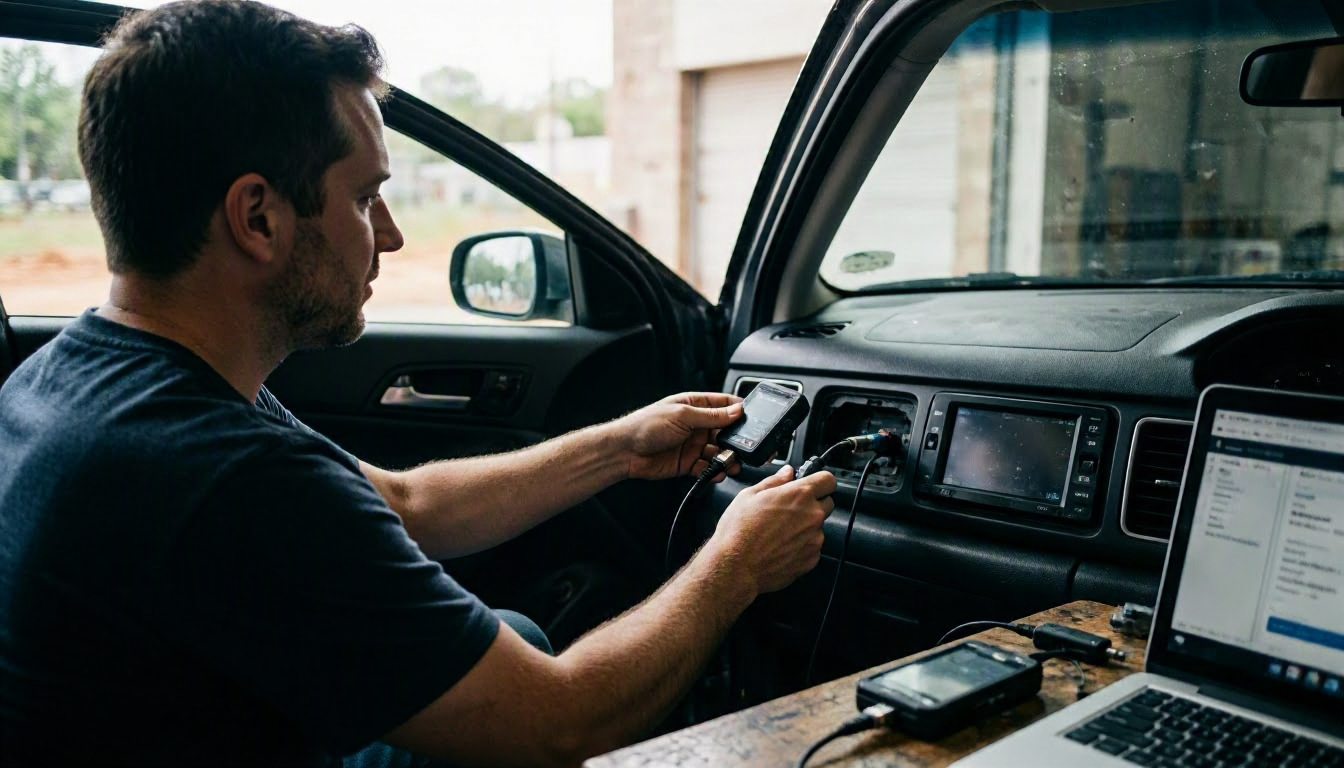
The data recorded by an EDR can be invaluable in personal injury cases, where determining fault is critical to securing compensation for medical bills, lost wages. And pain and suffering. Unlike witness statements, which can be subjective or unreliable, EDR data provides an objective record of the vehicle’s behavior during a crash. For example, if a driver claims they were traveling at the speed limit but the EDR shows they were speeding, this evidence can significantly impact the outcome of a case. Similarly, if the data shows that a driver did not brake before a collision, it may suggest distraction or impairment.
EDR data is also useful in disputes between insurance companies. When multiple parties are involved in an accident, insurers often argue over who is at fault. EDR data can help resolve these disputes by providing clear evidence of each vehicle’s actions. And in cases involving commercial vehicles, such as trucks, EDR data can reveal whether the driver was following safety protocols, such as maintaining a safe speed or taking required rest breaks. This can be particularly important in cases where driver fatigue or negligence is suspected.
When Event Data Recorder Matters Most?
EDR data becomes particularly important in accidents where the cause is unclear or disputed. For example, in rear-end collisions, the trailing driver is often presumed at fault. But EDR data may reveal that the leading driver suddenly stopped or reversed, contributing to the crash. Similarly, in intersection accidents, EDR data can show whether a driver ran a red light or failed to yield the right of way. In hit-and-run cases, EDR data can help identify the speed and direction of the fleeing vehicle, aiding law enforcement in their investigation.
Another critical scenario is when a vehicle’s mechanical failure is suspected. For instance, if a crash is blamed on a malfunctioning brake system, EDR data can show whether the brakes were applied before the collision. This can help determine whether the crash was caused by driver error or a defect in the vehicle. In cases involving catastrophic injuries or fatalities, EDR data can provide insights into the forces involved in the crash, which may correlate with the severity of injuries sustained by occupants.
In practice, What matters is to act quickly to preserve EDR data after an accident. In some cases, the data may be overwritten if the vehicle is driven or repaired before the data is downloaded. And accessing the data often requires legal authority, such as a subpoena or court order, especially if the vehicle is owned by a third party, such as a rental car company or employer. Working with an attorney experienced in personal injury cases can help ensure the data is properly preserved and used effectively in legal proceedings.