Understanding First-Party Claim

A First-Party Claim is a formal request submitted by a policyholder to their own insurance company to receive benefits after experiencing a covered loss. Unlike Third-Party Claims, which involve seeking compensation from another person’s insurance, First-Party Claims are filed under the policyholder’s own coverage. This type of claim is common in auto insurance, homeowners insurance. And health insurance, where the insured seeks reimbursement for damages, medical expenses. Or other losses directly from their insurer.
Related glossary terms: UM/UIM, Med Pay, Personal Injury Protection.
First-Party Claims are governed by the terms of the insurance policy, including coverage limits, deductibles. And exclusions. For example, if a driver in Atlanta, GA, is involved in a car accident and files a claim under their collision coverage, they're making a First-Party Claim. The insurance company evaluates the claim based on the policy’s conditions and may pay for repairs, medical bills. Or other covered expenses, minus any applicable deductible.
Filing a First-Party Claim doesn't require proving fault, as the policyholder is seeking benefits they are entitled to under their own policy. But the insurance company may investigate the claim to ensure it falls within the policy’s coverage and to prevent fraud. This process is typically faster than pursuing a Third-Party Claim, which often involves negotiations with another insurer or legal action.
How First-Party Claim Works?
When a policyholder experiences a covered loss, they notify their insurance company to initiate a First-Party Claim. The insurer assigns a claims adjuster to review the details, which may include inspecting damage, reviewing medical records. Or assessing repair estimates. The adjuster determines whether the claim is valid and calculates the amount the insurer will pay based on the policy’s terms. For example, in an auto insurance claim, the adjuster might inspect the vehicle, confirm the cause of damage. And compare repair costs to the policy’s coverage limits.
Once the adjuster approves the claim, the insurance company issues payment to the policyholder, minus any deductible. The deductible is the amount the policyholder agrees to pay out of pocket before the insurer covers the remaining costs. For instance, if a policyholder has a 0 deductible and their claim is approved for ,000, the insurer will pay ,500. The policyholder is responsible for covering the deductible themselves.
In some cases, the insurance company may pay a third party directly, such as a repair shop or medical provider, rather than reimbursing the policyholder. This is common with medical payments coverage or when the policyholder assigns their benefits to a service provider. The entire process, from filing the claim to receiving payment, can take anywhere from a few days to several weeks, depending on the complexity of the claim and the insurer’s workload.
Why First-Party Claim Matters?
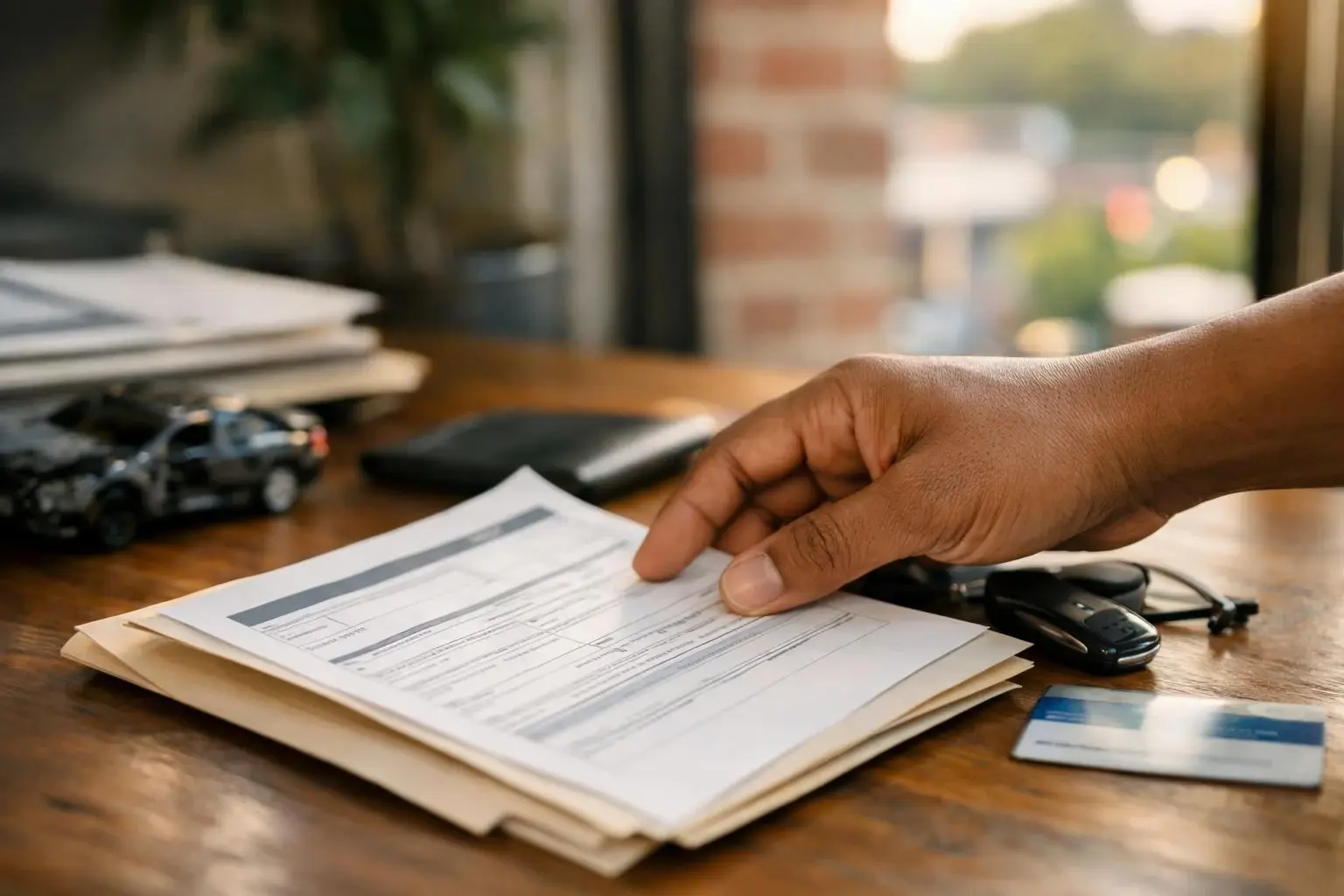
First-Party Claims are important because they provide a direct and often faster way for policyholders to recover losses without relying on another party’s insurance or legal action. For example, after a car accident, filing a First-Party Claim under collision coverage allows the policyholder to get their vehicle repaired quickly, even if the other driver is at fault but uninsured. This reduces financial stress and helps the policyholder return to normal life sooner.
And First-Party Claims help policyholders get the most from the benefits of their insurance policies. Many policies include coverages like medical payments (Med Pay) or uninsured/underinsured motorist (UM/UIM) protection, which are designed to step in when the policyholder suffers losses due to another party’s negligence or lack of insurance. Without filing a First-Party Claim, policyholders might overlook these benefits and end up paying out of pocket for expenses their insurance could have covered.
When First-Party Claim Matters Most?
First-Party Claims become especially important in situations where the policyholder can't rely on another party’s insurance or legal liability. Common scenarios include hit-and-run accidents, collisions with uninsured or underinsured drivers. And single-vehicle accidents where no other party is involved. In these cases, the policyholder’s own insurance may be the only source of compensation for damages, medical bills. Or lost wages.
First-Party Claims also matter when the policyholder needs immediate financial assistance after a loss. For example, if a driver is injured in an accident and incurs medical expenses, filing a First-Party Claim under their Personal Injury Protection (PIP) coverage can provide quick reimbursement for medical bills, regardless of who caused the accident. This is particularly valuable in states like Georgia, where PIP coverage is optional but can offer critical financial support after an accident.
For local customers, Finally, First-Party Claims are important when dealing with disputes over coverage or claim denials. If an insurance company denies a claim or offers an insufficient settlement, the policyholder may need to appeal the decision or seek legal assistance to ensure they receive the benefits they are entitled to under their policy. Understanding how First-Party Claims work can help policyholders advocate for themselves and avoid unnecessary financial hardship.