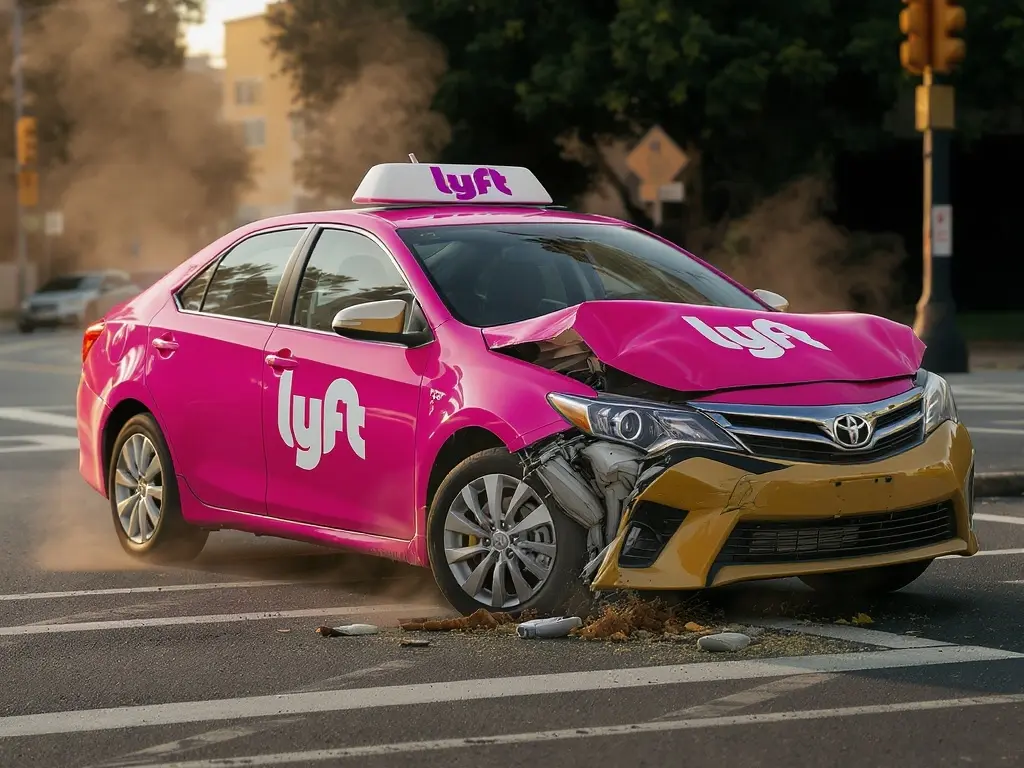
Understanding Liability Insurance

Liability Insurance is a foundational part of auto and general insurance policies. It exists to protect policyholders from financial responsibility when they cause harm to another person or property. In the context of driving, this means if you're at fault in a car accident, your liability insurance steps in to cover the other party’s medical expenses, vehicle repairs. And other related costs. Without this coverage, you could be personally responsible for paying these expenses out of pocket, which can quickly escalate into thousands or even millions of dollars.
Related glossary terms: No-Fault Insurance, Personal Injury Protection, Comparative Negligence.
In Georgia, liability insurance is not just recommended—it’s legally required. The state mandates minimum coverage limits, often referred to as 25/50/25. This shorthand means ,000 for bodily injury per person, ,000 for bodily injury per accident. And ,000 for property damage. These limits set the maximum amount your insurer will pay for a covered claim. While these minimums satisfy legal requirements, they may not be enough to cover all damages in a serious accident, which is why many drivers opt for higher limits or additional coverage.
How Liability Insurance Works?
When an accident occurs, liability insurance operates through a claims process. The injured party or their insurance company files a claim against the at-fault driver’s policy. The insurer then investigates the incident to determine fault and assess the damages. If the insurer confirms the policyholder is liable, This'll pay up to the policy limits for covered expenses. This can include medical bills, lost wages, property damage. And even legal fees if the case goes to court. But any costs exceeding the policy limits become the responsibility of the at-fault driver.
Liability insurance is typically divided into two main categories: bodily injury liability and property damage liability. Bodily injury liability covers medical expenses, rehabilitation costs. And sometimes pain and suffering for the injured party. Property damage liability covers repairs or replacement of damaged property, such as vehicles, fences. Or buildings. Both types of coverage are essential, as accidents often result in both physical injuries and property damage. It’s important to note that liability insurance doesn't cover the policyholder’s own injuries or vehicle repairs—that’s where other types of coverage, like collision or personal injury protection, come into play.
Why Liability Insurance Matters?

Liability insurance serves as a critical financial safety net for drivers. Without it, an at-fault accident could lead to devastating personal financial consequences. Medical bills and vehicle repairs can add up quickly. And without insurance, you could be forced to pay these costs directly. In extreme cases, this could lead to wage garnishment, liens on property. Or even bankruptcy. Liability insurance helps mitigate these risks by ensuring that the injured party receives compensation while protecting the at-fault driver’s personal assets.
Beyond financial protection, liability insurance also provides legal support. If you’re sued following an accident, your insurer typically handles the legal defense, including hiring an attorney and covering court costs. This can be invaluable, as legal fees alone can be prohibitively expensive. And carrying liability insurance demonstrates financial responsibility, which is a requirement for maintaining a driver’s license in most states. For businesses, liability insurance is equally important, as it protects against lawsuits stemming from accidents, injuries. Or negligence claims.
When Liability Insurance Matters Most?
Liability insurance becomes especially important in situations involving serious accidents. For example, if you cause a multi-vehicle collision that results in significant injuries or fatalities, the medical and legal costs can far exceed the minimum coverage limits. In such cases, having higher liability limits can mean the difference between financial security and financial ruin. Similarly, if you’re involved in an accident with an uninsured or underinsured driver, your own liability coverage may not be enough to cover their damages, highlighting the need for additional protections like uninsured motorist coverage.
Liability insurance also matters when lending or leasing a vehicle. Lenders often require proof of insurance before approving a loan. And liability coverage is typically part of that requirement. And if you’re involved in a hit-and-run accident where the at-fault driver can't be identified, your liability insurance may not apply. But it can still play a role in how your insurer handles the claim. For Atlanta drivers, understanding how liability insurance interacts with local traffic laws and insurance regulations is crucial, as Georgia’s fault-based system means the at-fault driver’s insurance is primarily responsible for covering damages.
- After a car accident where you’re found at fault.
- When facing a lawsuit for injuries or property damage caused by your actions.
- During vehicle registration or licensing, as proof of financial responsibility.
- When lending or leasing a car, as lenders often require proof of coverage.