Understanding Subrogation

Subrogation is a key idea in insurance law. It lets an insurer take the place of its policyholder after paying a claim.
When an insurance company pays for medical bills or property damage, subrogation gives it the right to seek repayment. It can ask the person who caused the harm to pay back the money.
This rule makes sure the at-fault party pays the cost. It keeps the burden off the insurance company and its customers.
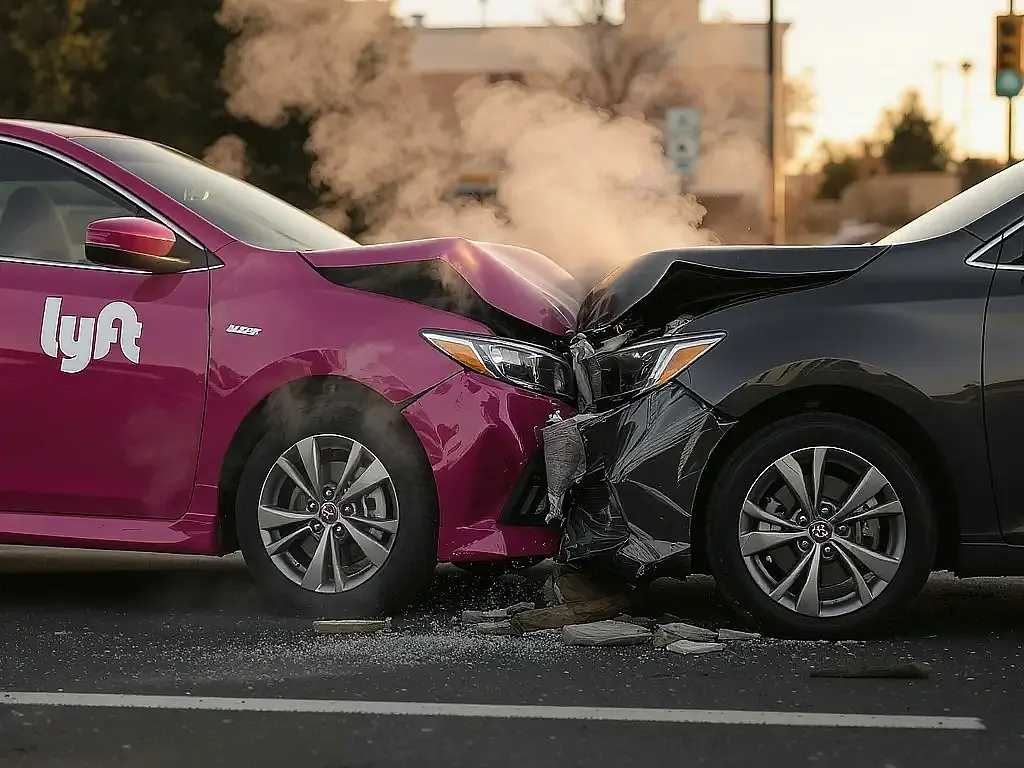
For example, say a driver in Atlanta gets rear-ended. Their insurance covers their medical bills. Later, their insurer may ask the at-fault driver’s insurance to repay them.
Subrogation helps keep things fair. The person who caused the damage should pay, not the victim or their insurer. Without it, insurers would lose more money. That could mean higher costs for everyone.
How Subrogation Works?
Subrogation usually starts after an insurer pays a claim. Once they pay, they can try to get that money back from the at-fault party.
This often means negotiating with the other person’s insurance. They might need paperwork or even go to court if the other side disagrees. The insurer must prove the other party was at fault.
In injury cases, subrogation can get tricky. More than one person might share the blame. Or the at-fault driver might not have enough insurance.
For instance, if someone gets hurt, their own insurance might pay first. Then their insurer could try to get that money back from the uninsured driver. It may also work with health insurers if they paid medical bills first.
Insurers usually move fast on subrogation. They want to recover funds before time runs out.
Why Subrogation Matters?

Subrogation helps keep insurance costs down for everyone. It lets insurers get money back from at-fault parties. That means they don’t have to raise prices as much.
For injured people, subrogation means they get paid faster. They don’t have to wait for a long legal fight to end.
But subrogation can affect how much money an injured person keeps. If the insurer gets money back, the injured person might have to repay some of it.
That’s why it’s important to understand subrogation. A lawyer can help make sure you keep as much of your money as possible.
When Subrogation Matters Most?
Subrogation matters most in big cases. These include high medical bills, lost wages. Or property damage.
For example, say someone in Atlanta has a bad car accident. They might have thousands in medical bills. Their insurance pays first. Then their insurer can ask the at-fault driver’s insurance to repay them.
This way, the injured person isn’t stuck waiting. They get help right away while fault is sorted out.
Subrogation also helps when more than one insurance policy is involved. Say a pedestrian gets hit by a car. Their health insurance and the driver’s auto insurance might both pay. Subrogation helps decide who pays in the end.
It can also affect injury settlements. If you get money from the at-fault party, your insurer might still want some of it back. Subrogation gives them that right.