Understanding Traumatic Brain Injury

Traumatic Brain Injury (TBI) happens when a sudden impact, jolt. Or penetrating object damages the brain. Unlike strokes or tumors, TBI results from an external force—such as a car accident, sports collision. Or fall. The brain may bounce inside the skull, twist. Or swell, leading to bruising, torn tissues. Or bleeding. These injuries can affect a single area or multiple parts of the brain, changing how a person behaves, moves. Or processes information.
TBI is classified into three main types: mild, moderate. And severe. Mild TBI, often called a concussion, may cause brief confusion or dizziness but typically resolves within days or weeks. Moderate TBI can lead to longer-lasting symptoms, such as persistent headaches, memory gaps. Or mood swings. Severe TBI may result in extended unconsciousness, coma. Or permanent disability. Even mild cases require medical attention, as repeated injuries can worsen over time.
How Traumatic Brain Injury Is Measured?
Doctors assess TBI using a combination of symptoms, imaging tests. And neurological exams. The Glasgow Coma Scale (GCS) is a common tool that rates a person’s level of consciousness based on eye-opening, verbal responses. And motor reactions. A score of 13–15 indicates mild TBI, 9–12 moderate. And 3–8 severe. Imaging tests like CT scans or MRIs help identify bleeding, swelling. Or skull fractures. Though some injuries may not appear on scans.
Symptoms vary widely depending on the injury’s location and severity. Physical signs may include headaches, nausea, blurred vision. Or balance problems. Cognitive symptoms often involve memory loss, difficulty concentrating. Or slowed thinking. That matters. Emotional changes, such as irritability, anxiety. Or depression, are also common. Some symptoms appear immediately. While others may take days or weeks to emerge. Early diagnosis and treatment improve recovery outcomes.
Why Traumatic Brain Injury Matters?
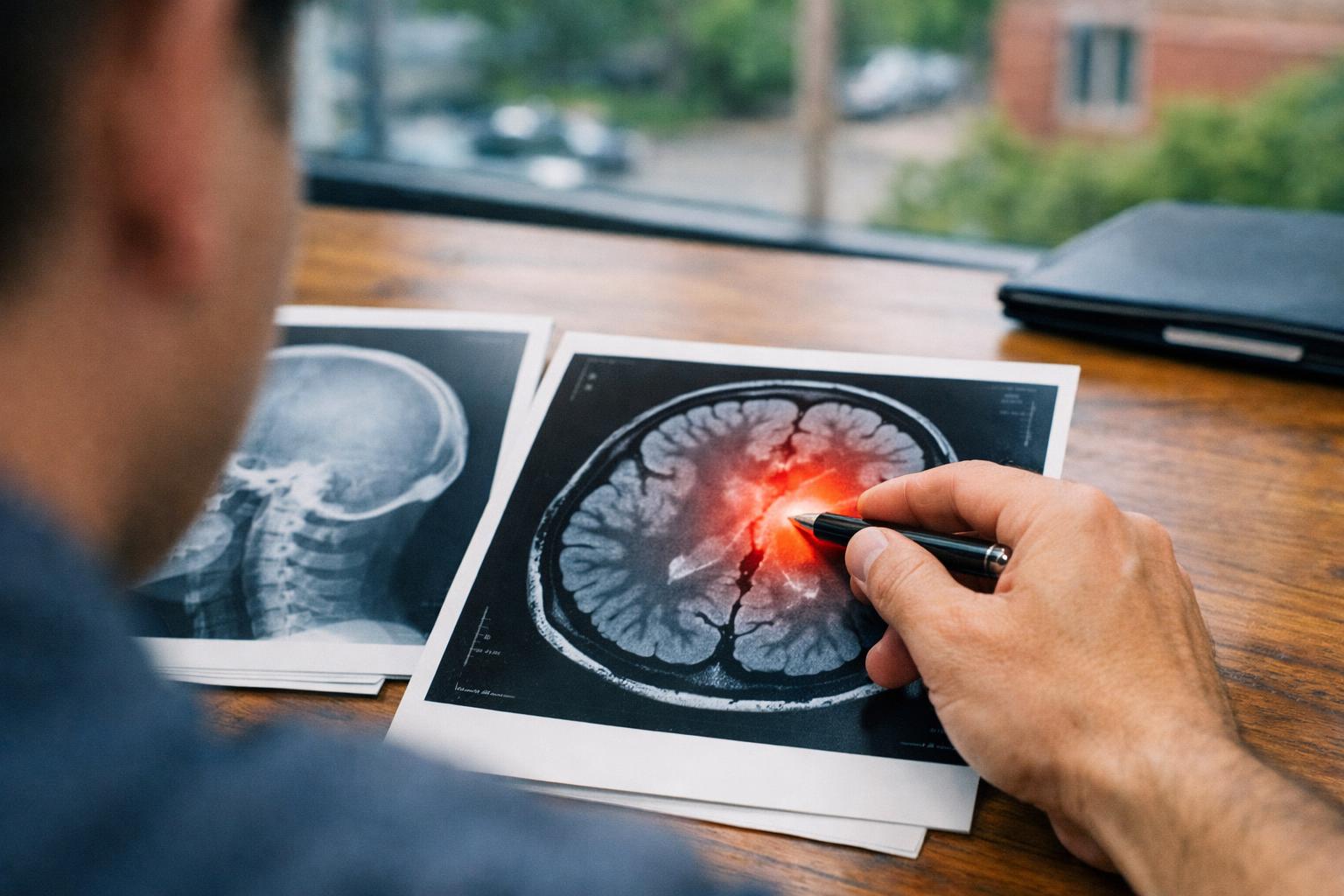
TBI can have life-altering consequences, affecting a person’s ability to work, drive. Or perform daily tasks. Even mild cases may lead to long-term issues like chronic headaches or difficulty returning to school or work. Severe TBI can require lifelong care, including physical therapy, occupational therapy. Or speech therapy. The financial and emotional burden on families can be significant, with medical bills, lost wages. And the need for ongoing support.
Beyond individual impacts, TBI contributes to broader public health challenges. According to the Centers for Disease Control and Prevention (CDC), TBI is a leading cause of disability and death in the U.S., with motor vehicle crashes as the second most common cause. Preventive measures, such as wearing seat belts, using helmets. And avoiding distracted driving, can reduce the risk of TBI. Early intervention and proper treatment also play a critical role in improving outcomes.
When Traumatic Brain Injury Matters Most?
TBI is especially critical in situations involving high-risk activities, such as driving, sports. Or construction work. Car accidents, for example, often result in TBI due to sudden stops, collisions. Or ejection from the vehicle. In legal cases, TBI can influence claims for medical expenses, lost income. And pain and suffering. Insurance companies and courts may require detailed medical records, expert testimony. Or imaging results to assess the injury’s impact.
For local customers, In Atlanta, GA, TBI cases frequently arise from car accidents on busy highways like I-85 or I-285, where high speeds increase the risk of severe collisions. Personal injury lawyers often work with medical experts to document the injury’s extent and secure compensation for victims. Timely medical evaluation is crucial, as delays can worsen symptoms and weaken legal claims. Understanding TBI helps victims and families make informed decisions about treatment, rehabilitation. And legal options.