Understanding Hazardous Materials
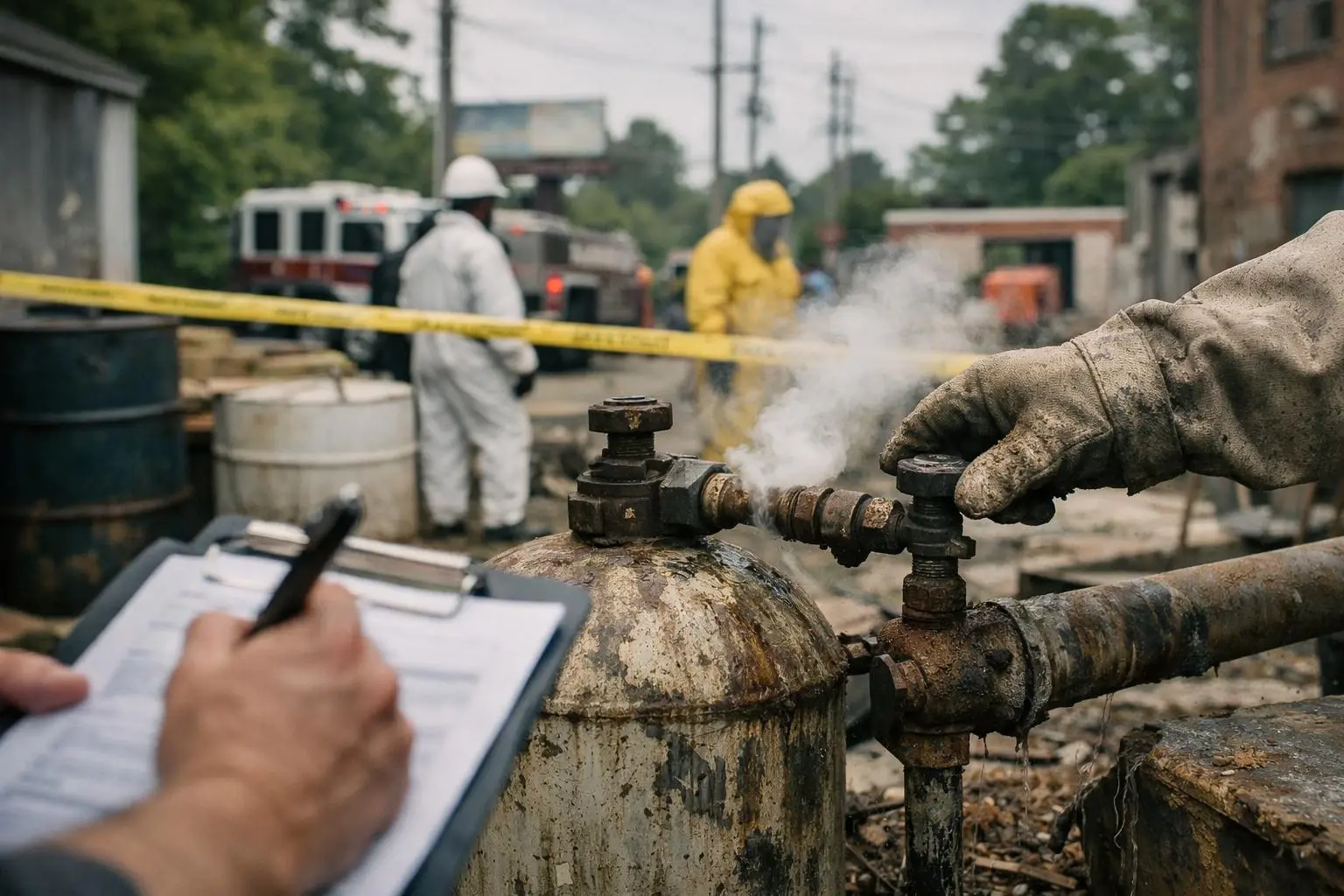
Hazardous materials, often abbreviated as hazmat, are substances that can cause harm to humans, animals. Or the environment. These materials are classified based on their potential risks, such as flammability, toxicity, corrosiveness. Or reactivity. Examples include gasoline, chlorine, asbestos. And medical waste. Because of their dangers, hazardous materials are subject to strict regulations under agencies like the U.S. Department of Transportation (DOT) and the Environmental Protection Agency (EPA).
Related glossary terms: Product Liability, Negligence Per Se, Premises Liability.
In everyday life, hazardous materials are encountered in various settings, from industrial facilities to household products like cleaning agents or batteries. But their risks become more pronounced during transportation, where spills or leaks can lead to fires, explosions. Or contamination. For instance, a truck carrying flammable liquids like gasoline must follow specific safety protocols to cut down on the risk of accidents. Failure to comply with these regulations can result in severe consequences, including injuries, environmental damage. Or legal penalties.
How Hazardous Materials Are Regulated and Handled?
Hazardous materials are regulated through a framework of federal, state. And local laws designed to ensure safe handling, transportation. And disposal. The DOT’s Hazardous Materials Regulations (HMR) outline requirements for packaging, labeling. And shipping these substances. For example, hazardous materials must be properly labeled with standardized symbols, such as the diamond-shaped placards seen on trucks, to alert responders to potential dangers in case of an accident.
Training is a critical component of hazardous materials safety. Workers who handle, transport. Or dispose of these materials must undergo specialized training to recognize risks and respond appropriately. This includes understanding emergency procedures, such as containment and evacuation, in the event of a spill or leak. And facilities that store hazardous materials must maintain safety data sheets (SDS) to provide detailed information about each substance’s properties and risks. These measures help prevent accidents and ensure a coordinated response if an incident occurs.
Why Hazardous Materials Matters?

The proper management of hazardous materials is essential to protect public health, safety. And the environment. Accidents involving these substances can have catastrophic consequences, such as chemical burns, respiratory injuries. Or long-term environmental contamination. For example, a spill of corrosive materials like sulfuric acid can cause severe burns to skin and eyes. While toxic gases like chlorine can lead to respiratory failure. Beyond immediate harm, hazardous materials can also contaminate soil and water, posing risks to communities and ecosystems for years.
For local customers, From a legal perspective, mishandling hazardous materials can result in significant liability. Companies or individuals who fail to comply with regulations may face fines, lawsuits. Or criminal charges. In personal injury cases, victims of hazardous materials accidents may seek compensation for medical expenses, lost wages. And pain and suffering. Understanding the risks and regulations surrounding hazardous materials is crucial for businesses, workers. And the general public to prevent accidents and mitigate their impact.
When Hazardous Materials Matters Most?
Hazardous materials become particularly critical in situations involving transportation, industrial operations. Or emergency response. For example, truck drivers transporting hazardous materials must adhere to strict routing and safety protocols to cut down on risks on highways. In industrial settings, workers handling chemicals or waste must follow proper procedures to prevent spills, leaks. Or explosions. Emergency responders, such as firefighters or paramedics, also need to be trained to identify and safely manage hazardous materials incidents to protect themselves and the public.
Hazardous materials also matter in legal cases involving accidents or negligence. If a spill or leak causes injury or property damage, victims may pursue legal action against the responsible party. For instance, a trucking company that fails to secure hazardous cargo properly could be held liable for injuries resulting from a crash. In Atlanta, GA, personal injury lawyers often handle cases involving hazardous materials accidents, helping victims navigate the complexities of regulations and liability to secure fair compensation.