Understanding Negligence Per Se
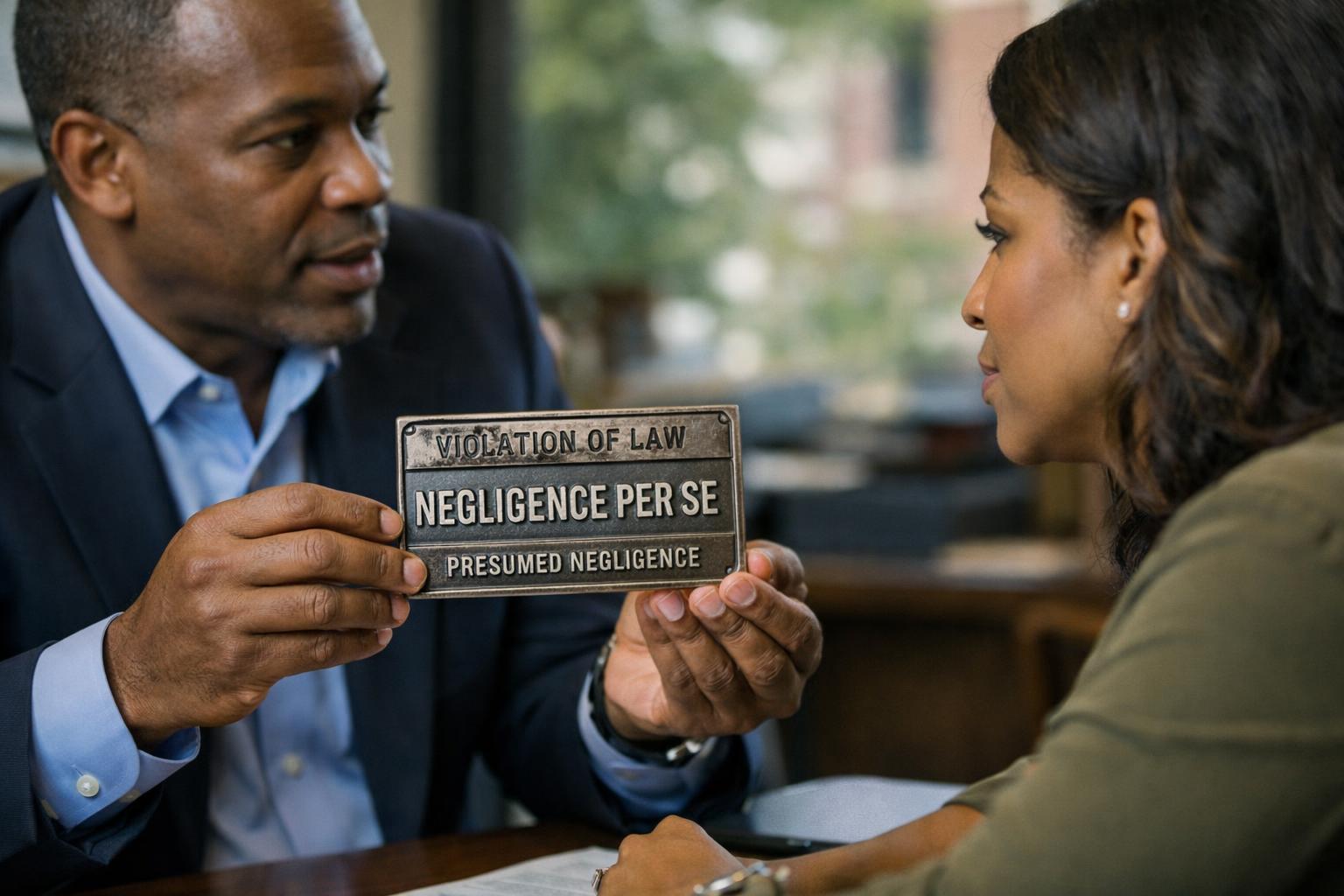
Negligence Per Se is a legal rule. It makes proving negligence easier in injury cases. Normally, a person must show the other side didn't act carefully.
Related glossary terms: Comparative Negligence, Gross Negligence, Duty of Care.
With Negligence Per Se, breaking a safety law can prove negligence. This happens if the law was meant to stop the kind of harm that occurred. So speeding, running a red light. Or drunk driving can count. The rule skips the debate about careless actions. It focuses on whether the law was broken and if that caused the injury.
The rule only applies to laws that protect public safety. Traffic laws exist to prevent crashes. So breaking one and causing a crash can trigger Negligence Per Se. But not every broken law qualifies. The law must connect directly to the harm suffered. If a driver doesn't renew their license but follows all rules, that won't support this claim.
How Negligence Per Se Works in Legal Cases?
Courts use a three-part test for Negligence Per Se. First, the defendant must have broken a law. Second, the law must protect a specific group from harm. These groups include drivers, pedestrians. Or passengers. Third, the injured person must belong to that group. They must suffer the exact harm the law aims to stop.
If all three are met, the defendant is seen as negligent. The injured person then focuses on other parts of the case. They must show the violation caused the injury and prove damages.
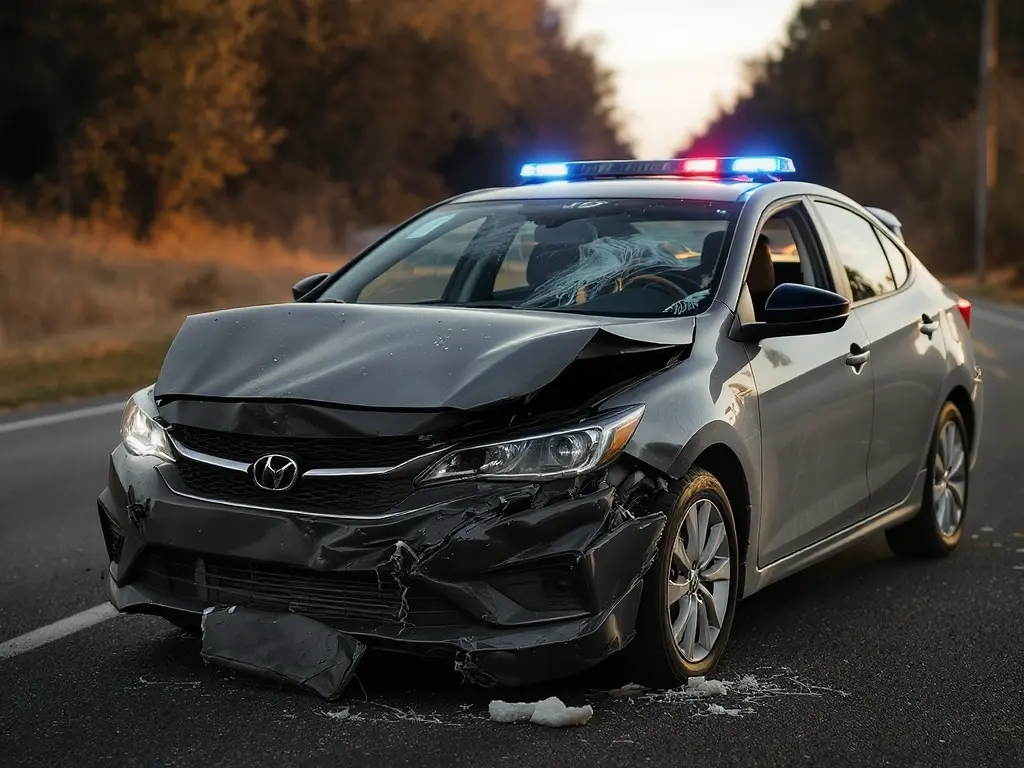
For local customers, think about a driver who runs a stop sign. They hit a pedestrian. The stop-sign law protects pedestrians. So this can prove Negligence Per Se. The pedestrian still needs to show the violation caused the injury. They must also show how much harm was done. But they don't need to prove the driver was careless. This makes the legal process faster and stronger for the injured person.
Why Negligence Per Se Matters?

Negligence Per Se matters because it holds people accountable. They broke laws meant to prevent harm. Without this rule, injured people would have a harder time proving negligence. This is true even when a law was clearly broken.
The rule also reinforces why we must follow regulations. It deters reckless actions by making it easier for victims to get compensation. It keeps legal outcomes consistent. Violations of safety laws are treated the same way. They're not open to different views about carelessness.
For defendants, this rule shows the risks of ignoring safety laws. Even a small violation can lead to automatic liability. This happens if it causes harm. So it's a strong reason to follow the rules. It promotes safer behavior on roads, at work. And in public.
When Negligence Per Se Matters Most?
Negligence Per Se helps most when proving negligence is hard. In car accidents, fault is often disputed. A traffic violation like speeding can decide who's at fault. It's also key for vulnerable people like pedestrians or kids. They may not have evidence to prove negligence without a broken safety law.
This rule is often used in drunk driving or distracted driving cases. It's also used for commercial vehicle violations. Regulations are strict here. And violations have big consequences.
In Atlanta, GA, Negligence Per Se comes up often in injury cases. These involve traffic laws, workplace rules. Or building codes. For example, a driver breaks Georgia's hands-free law. They text while driving and cause a crash. The violation can prove Negligence Per Se.
Another example is a property owner who ignores building codes. Someone gets hurt. So the rule may apply. Knowing when and how Negligence Per Se works can change the outcome of an injury claim.